

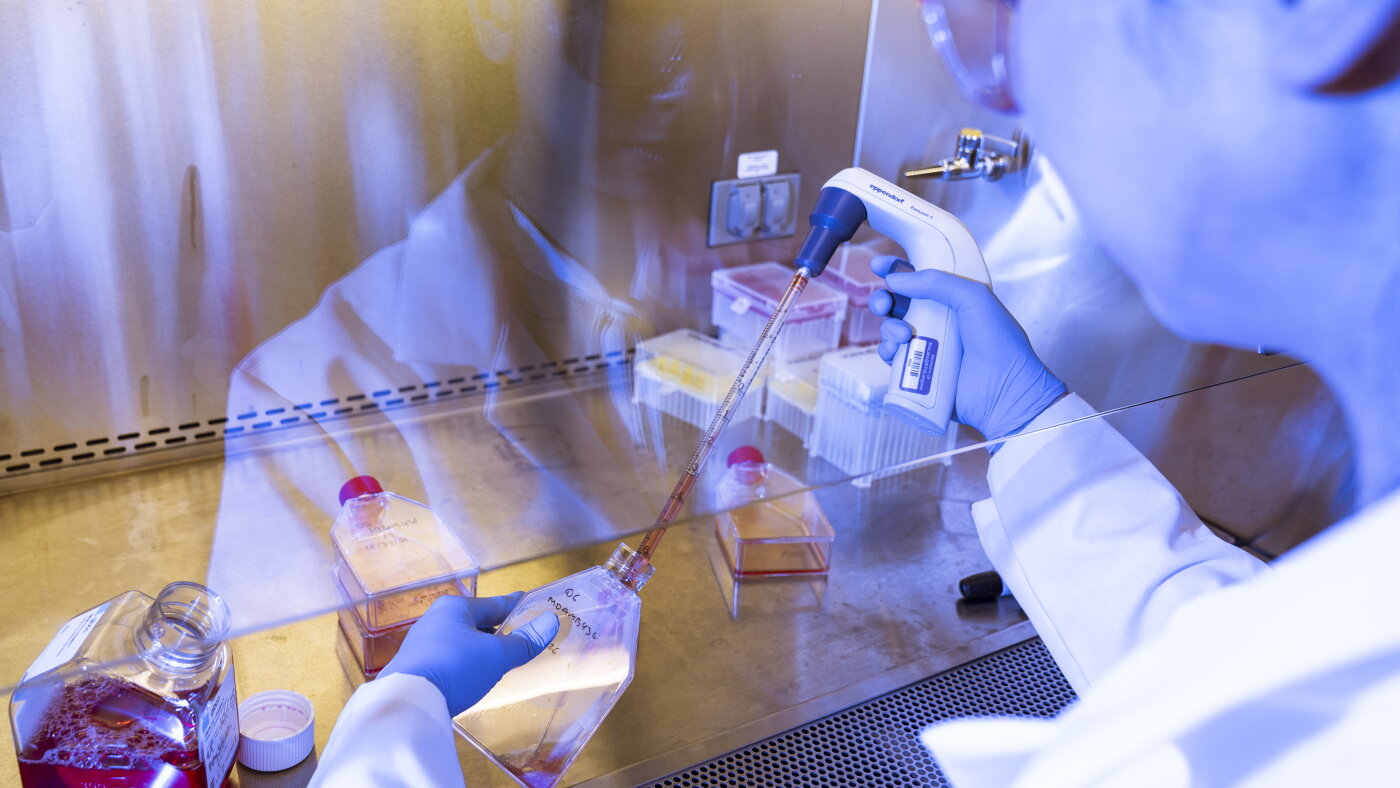
Origin Genomics, founded by CEO Cathy Tie, is conducting research into gene-editing technology designed to correct genetic defects in human embryos before birth. The startup has established laboratory facilities in New York City where it stores frozen embryos donated by couples with family histories of life-threatening genetic disorders. The company’s approach involves extracting stem cells from these embryos to test experimental gene editors and determine which molecular tools might safely address genetic defects while preventing inherited diseases from passing to future generations.
Tie argues that advanced gene-editing techniques could address hundreds of millions of people worldwide suffering from conditions such as Huntington’s disease, cystic fibrosis, hereditary cancers, and Tay-Sachs disease. Beyond embryo work, Origin is also testing gene editors developed with artificial intelligence assistance on other cell types, including induced pluripotent stem cells and fibroblasts carrying disease-causing mutations. The company has demonstrated initial success in introducing gene editors into cells carrying breast cancer risk mutations.
The emergence of Origin and similar ventures, such as competitor Preventive in San Francisco, occurs against a complicated backdrop. Germline gene editing—modifications that would be inherited by future generations—remains illegal in the United States and highly controversial internationally. The field was marked by significant controversy when Chinese scientist He Jiankui announced in 2018 that he had created genetically modified babies using CRISPR technology, leading to his imprisonment. At that time, the technology was considered too nascent to ensure safety for either the edited individuals or their descendants.
Newer gene-editing techniques, including prime editing and base editing, have improved accuracy compared to earlier methods, prompting some scientists and bioethicists to suggest potential future applications in preventing rare genetic diseases. However, significant concerns persist. Experts including Robin Lovell-Badge of the Francis Crick Institute in London warn that companies may be advancing too rapidly and potentially providing false hope to prospective parents. Additional concerns focus on the risk that permitting embryo editing could eventually lead to designer babies and genetic enhancement, raising broader ethical questions about the appropriate limits of genetic modification technology.
Article Attribution | Read More at Article Source
Article summary produced by Claude AI