

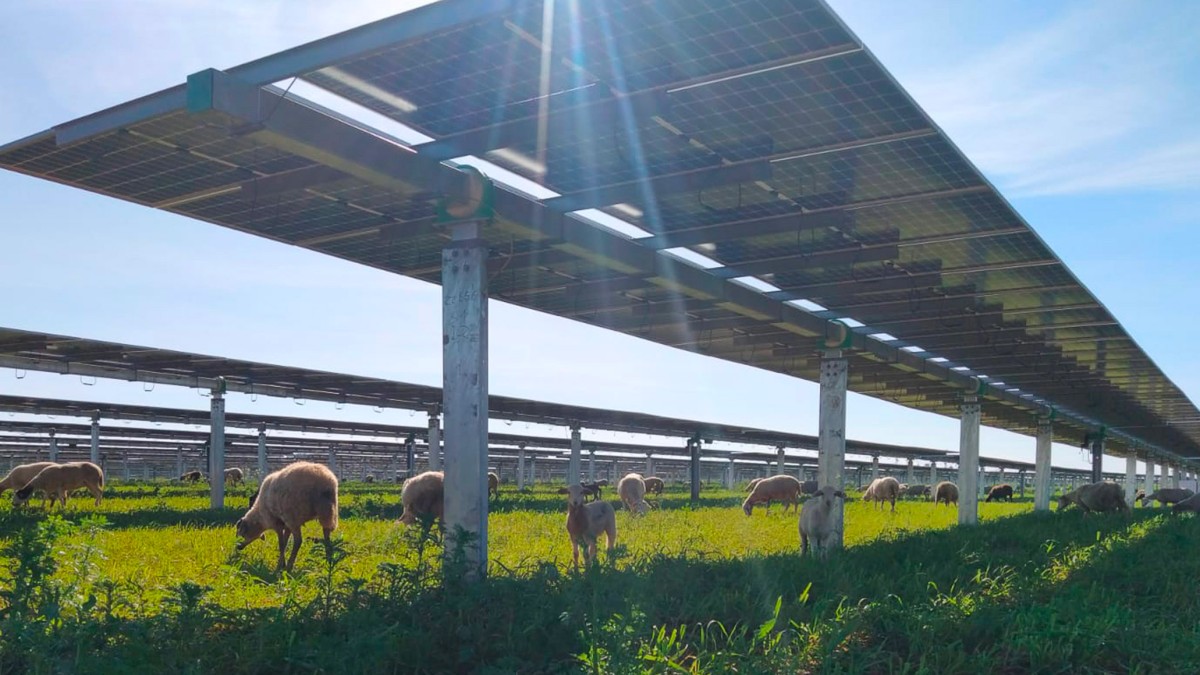
Turkey has announced an ambitious renewable energy investment strategy, committing approximately $108 billion in spending over the next ten years. According to the country’s energy minister, the funds will support the development of 120 gigawatts of combined wind and solar installed capacity, with roughly $80 billion directed toward generation infrastructure and $28 billion for transmission systems.
The investment aligns with broader European energy transition objectives focused on expanding renewable generation and upgrading electrical grids to minimize energy waste during periods of high production and low demand. As part of this effort, Turkey aims to derive 35 percent of its final energy demand from electricity by 2035, supporting electrification across transportation, building, and industrial sectors. The country’s environment minister characterized this target as a defining priority, particularly given Turkey’s role hosting a major climate conference this year.
Turkey’s renewable expansion occurs alongside substantial activity in fossil fuel development. The state-owned energy company operates significant natural gas operations in the Black Sea, producing approximately 9.5 million cubic meters daily from the Sakarya field. The company also maintains exploration interests in Pakistan, Libya, Somalia, and disputed offshore areas near Cyprus. This dual approach reflects the government’s recognition that intermittent sources like wind and solar require complementary baseload generation capacity.
Current Turkish energy generation already incorporates considerable renewable contribution, with hydropower providing roughly 17 percent and wind and solar combined accounting for approximately 22 percent of total generation. Coal remains the largest single source at 34 percent. Over the past quarter-century, Turkey has substantially expanded its total installed electricity capacity, increasing from 32,000 to 126,000 megawatts and establishing itself as Europe’s third-largest generator after France and Germany.
Article Attribution | Read More at Article Source
Article summary produced by Claude AI