

Direct negotiations between U.S. and Iranian representatives took place on Tuesday, lasting three hours without producing any publicly announced results. President Trump’s U.N. Ambassador Mike Waltz indicated in an interview the following day that discussions remain ongoing, with the administration still evaluating proposals presented by Iran during the talks.
Waltz characterized the discussions as significant given they represented the first direct contact between the two nations following the breakdown of a previous ceasefire arrangement. When questioned about whether Iran had proposed reopening the Strait of Hormuz in exchange for relief from U.S. economic sanctions, Waltz declined to detail Iran’s specific proposal. He emphasized that Iran must approach future negotiations in good faith. Iran has publicly stated it would reopen the strategic waterway if Washington reduces military pressure and removes its blockade on Iranian ports.
Waltz invoked international law in addressing the shipping corridor dispute, noting that a nation cannot restrict a crucial global trade route as a negotiating tactic in disputes with other countries. He drew a comparison to European straits, suggesting similar restrictions would be unacceptable under established norms.
Waltz, a former Green Beret and three-term congressional representative from Florida, assumed the U.N. ambassadorship after departing his role as national security adviser, following an incident involving unauthorized disclosure of sensitive communications through an encrypted messaging platform.
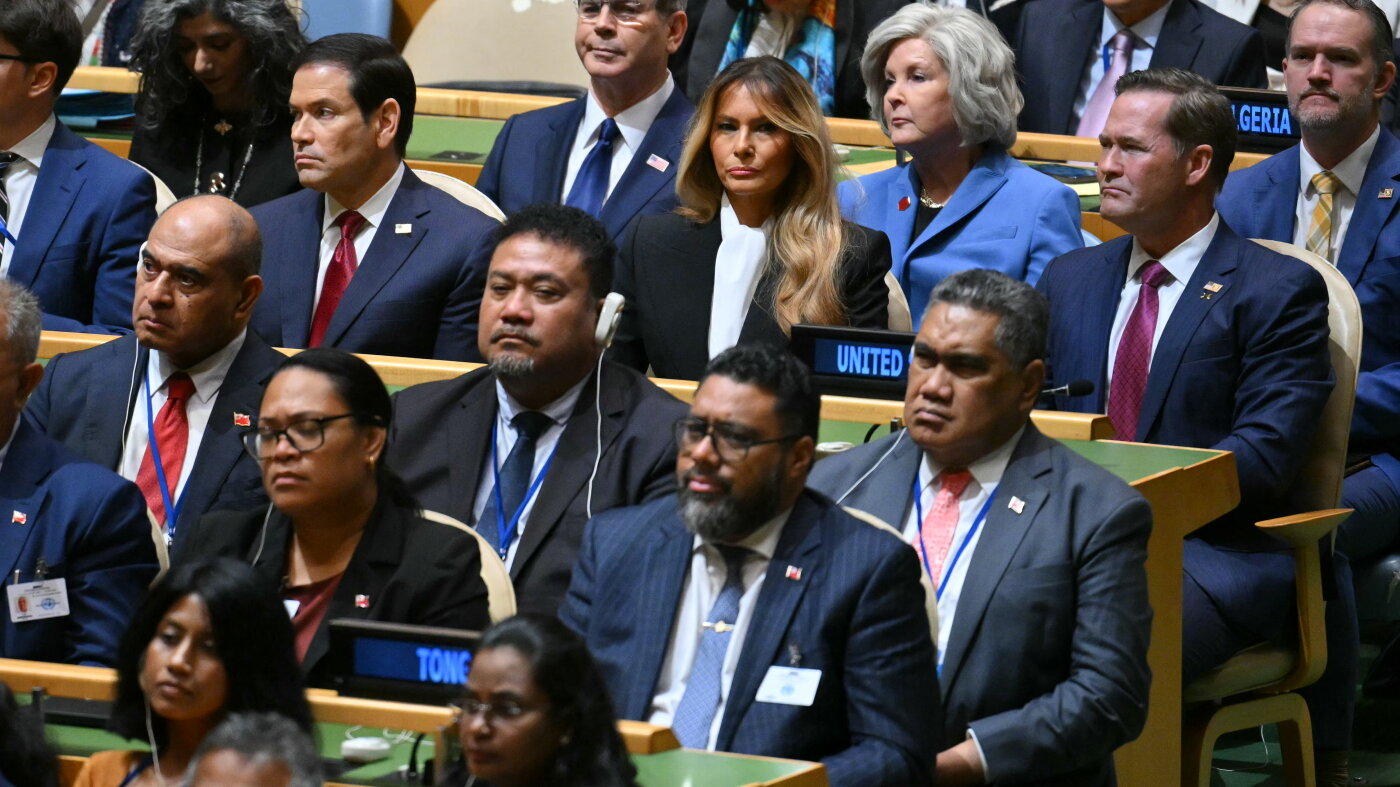
President Trump addressed the U.N. General Assembly on Tuesday, combining diplomatic overtures with military warnings as part of his broader foreign policy approach. His remarks on Iran offered the prospect of a reconstructive agreement while simultaneously warning of severe consequences should negotiations fail. Trump also commented on Venezuela, where U.S. military intervention resulted in the departure of Nicolás Maduro, suggesting American access to Venezuelan oil resources. Current polling indicates registered voters view the Democratic Party more favorably than Republicans regarding foreign policy management, with a 42% to 36% preference margin, while Trump’s overall approval rating stands at 39%.
Article Attribution | Read More at Article Source
Article summary produced by Claude AI