

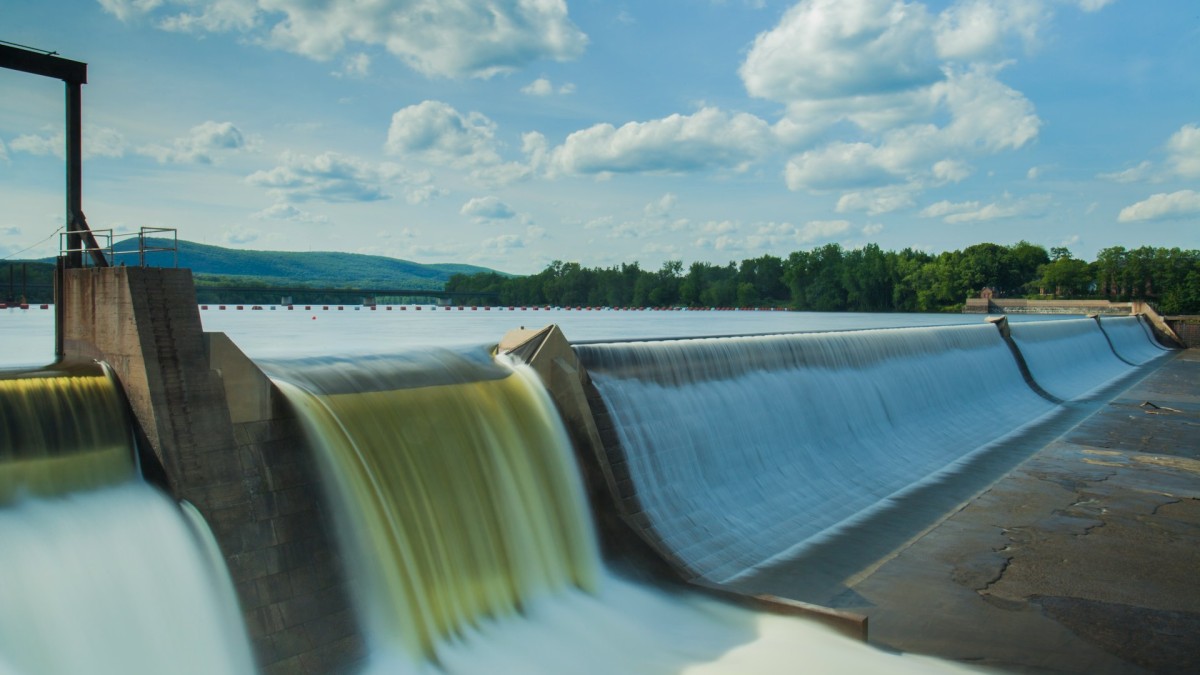
Researchers at Oak Ridge National Laboratory and Idaho National Laboratory have identified significant hydropower potential within the United States’ existing dam infrastructure. According to their analysis, retrofitting select dams not currently equipped for power generation could produce approximately 15.2 terawatt-hours of electricity annually, representing a substantial renewable energy resource for the nation.
The study utilized HydroGenerate, a software platform developed at Idaho National Laboratory that applies advanced modeling techniques to assess hydropower capacity. The system integrates water flow data from the U.S. Geological Survey and Oak Ridge with turbine performance specifications and hydraulic measurements to generate detailed projections for individual facilities. The modeling process accounts for seasonal variations, optimal turbine design, and the specific structural characteristics of existing dams.
Researchers emphasized that their analysis reflects the operational constraints inherent in existing dam infrastructure, including flood control and navigation requirements that limit power generation possibilities. Despite these limitations, the study identified substantial opportunities concentrated primarily in the Great Lakes basin and upper Mississippi River regions, with 86 percent of suitable facilities being federally operated. This geographic distribution would expand hydropower capacity to areas currently underrepresented in the sector, shifting the nation’s hydropower production profile beyond its historical concentration in western states.
Currently, only 3 percent of U.S. dams feature hydropower generation capabilities. The Department of Energy’s Hydropower and Hydrokinetic Office recently awarded $5.5 million in funding to support projects aimed at streamlining the licensing and permitting process for hydropower facilities. This initiative has garnered unusual bipartisan legislative support in both chambers of Congress, with proponents citing the technology’s role in reducing electricity costs and supporting job creation while meeting national energy objectives.
Article Attribution | Read More at Article Source
Article summary produced by Claude AI