

Energy Secretary Chris Wright has voiced opposition to proposals for restricting US diesel exports, contending that such measures would prove counterproductive for American consumers and businesses. Speaking at an event in New York on Wednesday, Wright stated that export restrictions would create excess diesel inventories at refineries, compelling operators to reduce production levels across the board.
Wright’s position conflicts with signals from President Trump, who expressed openness to an export ban on Tuesday as diesel prices have climbed to record levels domestically and internationally. Treasury Secretary Bessent has been tasked with evaluating the feasibility of such a policy. Trump’s remarks have already had market effects, with European diesel premiums reaching historic highs as traders anticipated potential supply disruptions from the US, the region’s primary overseas supplier.
The American Petroleum Institute and energy analysts have cautioned against the proposed restriction. They argue that removing approximately 1.5 million barrels per day of US diesel from global markets—roughly 20 percent of worldwide seaborne trade—could create severe economic consequences. According to industry assessments, an export ban could force crude oil refinery operations to decline by as much as 2 million barrels daily, representing over 10 percent of current production levels, as refiners manage surplus inventories from restricted exports.
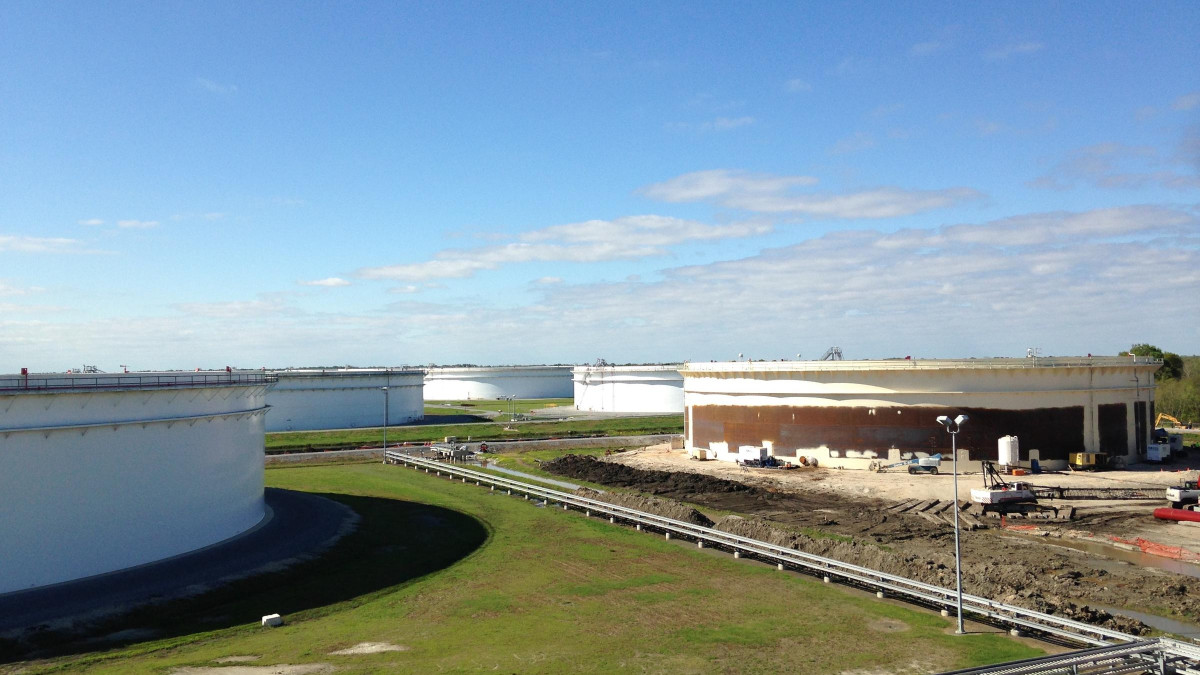
Analysts note that while an export ban might achieve short-term price relief domestically, it could establish conditions for greater supply problems. Gulf Coast storage facilities could absorb surplus barrels for only about three weeks before capacity constraints emerge. Geographically, the US East and West Coasts would face continued tightness due to pipeline and shipping limitations. Globally, Latin America and Northwest Europe would be particularly exposed to supply shortages, with limited alternative sources available as Middle Eastern exports decline and Russian shipments face restrictions.
Energy strategists characterize the situation as presenting an asymmetrical risk: initial price decreases could give way to tighter product markets and reduced domestic fuel supplies in subsequent periods. The severity of consequences would correlate with the aggressiveness of any export restrictions implemented.
Article Attribution | Read More at Article Source
Article summary produced by Claude AI