

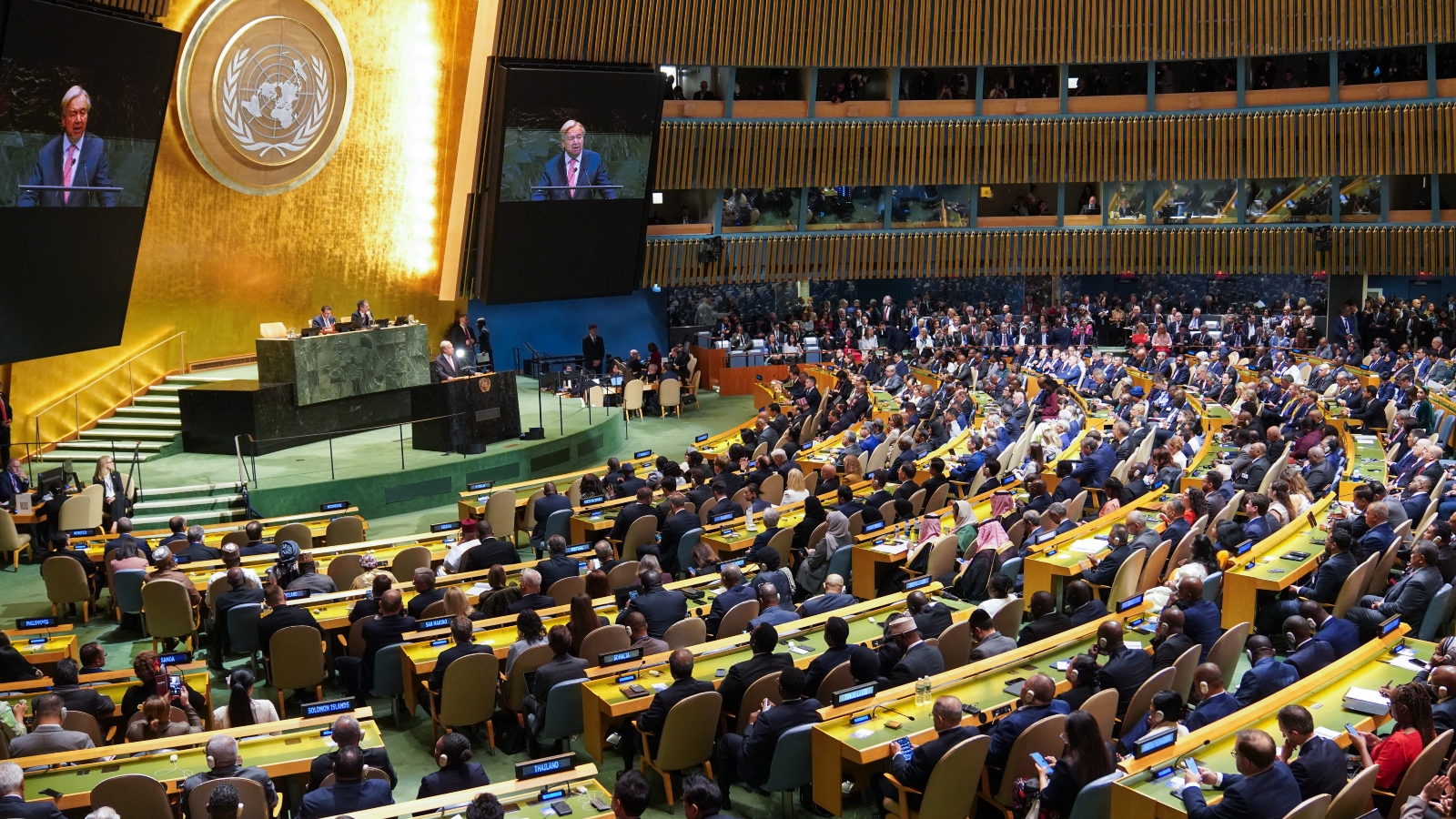
World leaders at the United Nations General Assembly approved a unanimous resolution regarding sea level rise, marking a rare multilateral achievement during a period of reduced global climate cooperation. The declaration establishes legal protections for low-lying island nations that face existential threats from rising ocean levels over the coming decades.
Under the terms of the agreement, island states retain their status as sovereign nations and maintain control over their maritime zones even if their physical landmass becomes submerged. This provision addresses a previously unresolved legal question about the continued existence and territorial rights of nations at risk of disappearing beneath the sea. The agreement codifies what international legal bodies had begun to recognize in recent rulings, particularly echoing a landmark decision from the International Court of Justice that affirmed the principle of continued statehood despite physical land loss.
The declaration resulted from sustained advocacy by the Alliance of Small Island States, a coalition representing nations including Tuvalu and the Marshall Islands that face potential inundation within the century. For these countries, the legal affirmation carries significant practical implications, particularly regarding ocean territory that underpins their economies and resources. Island nations like the Bahamas have expressed concern about protecting their maritime zones from exploitation through deep-sea mining and other industrial activities.
The agreement also includes language recognizing obligations of developed nations to provide expanded climate adaptation funding to vulnerable states. Such resources could support infrastructure projects like seawalls, mangrove restoration, or population relocation efforts. Current international climate finance falls substantially below levels experts deem necessary, though world leaders committed in 2024 to increase annual aid to developing countries by 2035.
Observers noted that the unanimous passage of the resolution, including support from the United States, reflects broad recognition that maritime border protections benefit nations across economic levels. Rising seas could affect wealthy countries’ territorial waters and access to offshore resources, creating aligned interests despite broader divisions on climate policy and international aid.
Article Attribution | Read More at Article Source
Article summary produced by Claude AI