

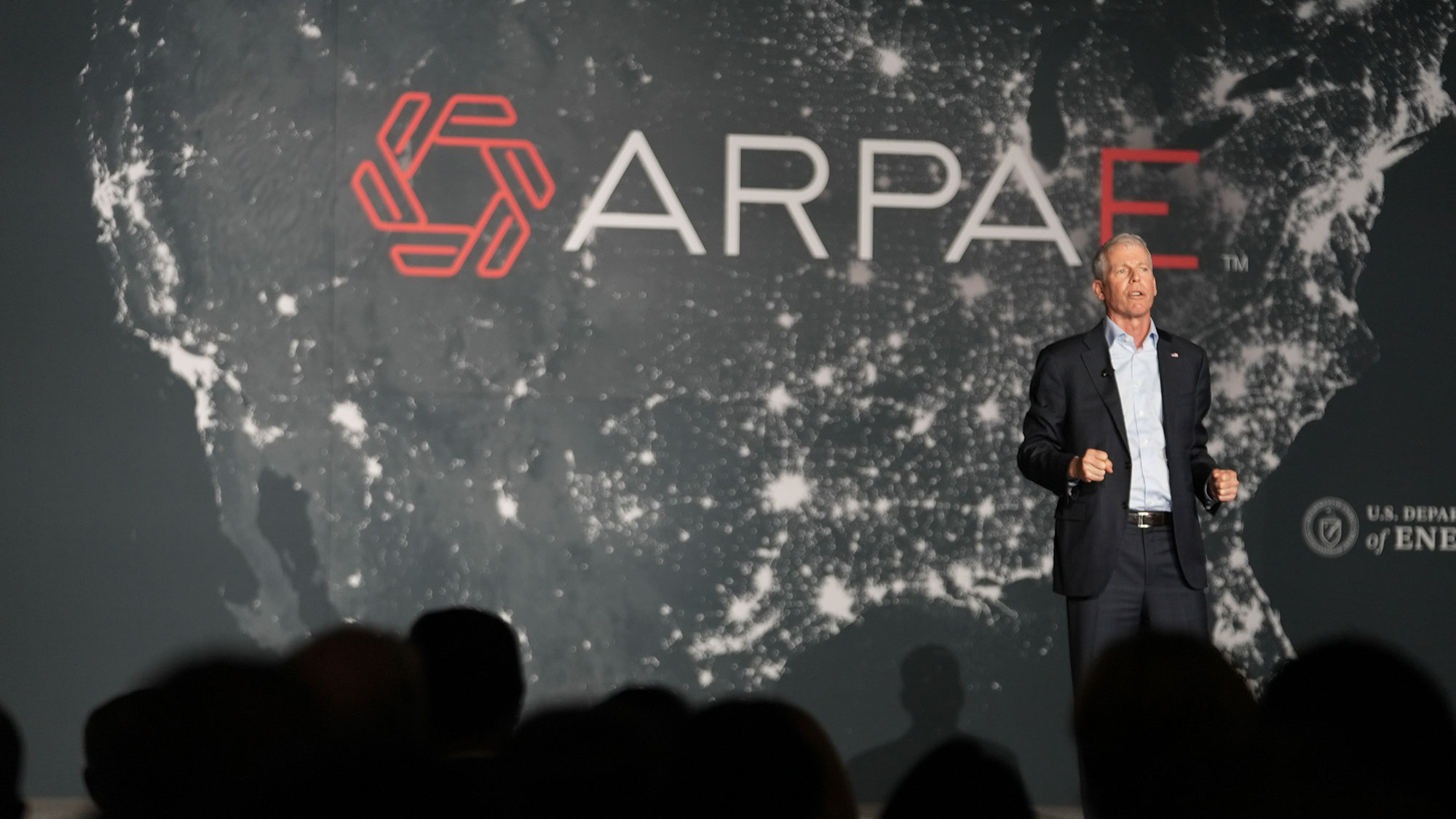
The Advanced Research Projects Agency–Energy, a Department of Energy initiative established in 2009, has distributed over $4 billion to universities and startups developing innovative clean energy technologies over the past 15 years. The program was designed to address a critical funding gap known as the “valley of death,” where promising energy innovations often lack sufficient capital to scale from laboratory demonstrations to profitable commercial operations.
A recently released National Academies report, commissioned by Congress, assessed the program’s effectiveness and found substantial positive results. The $4 billion in ARPA-E funding has catalyzed more than $20 billion in additional private and public investment while generating over 1,400 patents. Projects receiving ARPA-E grants demonstrated significantly higher rates of patent development and subsequent funding compared to rejected proposals. The report also documented a “crowding in” effect in approximately 40 percent of cases, where successful demonstrations prompted other companies to enter and develop similar technologies.
Early ARPA-E investments focused on renewable energy technologies such as solar panels and lithium-ion batteries. These sectors have since experienced dramatic cost reductions through large-scale manufacturing, particularly in China, reducing the need for continued government support in these areas. The program’s more recent investments have shifted toward addressing persistent energy challenges, including technologies for continuous “clean firm” power generation. Notable commercial successes include Fervo, which harnesses geothermal energy for electricity production and now partners with major technology companies; Form Energy, developing long-duration iron-air batteries; and X-energy, producing small-scale nuclear reactors.
The National Academies committee recommended significantly expanding ARPA-E’s funding and reorienting its focus toward harder unsolved problems, including nuclear fusion, seasonal energy storage systems, and carbon-free production methods for steel and cement. These sectors represent major global emissions sources and remain decades away from commercial viability without sustained government investment. Despite budget pressures, the Department of Energy continues issuing new grants for experimental technologies in these areas.
Article Attribution | Read More at Article Source
Article summary produced by Claude AI