

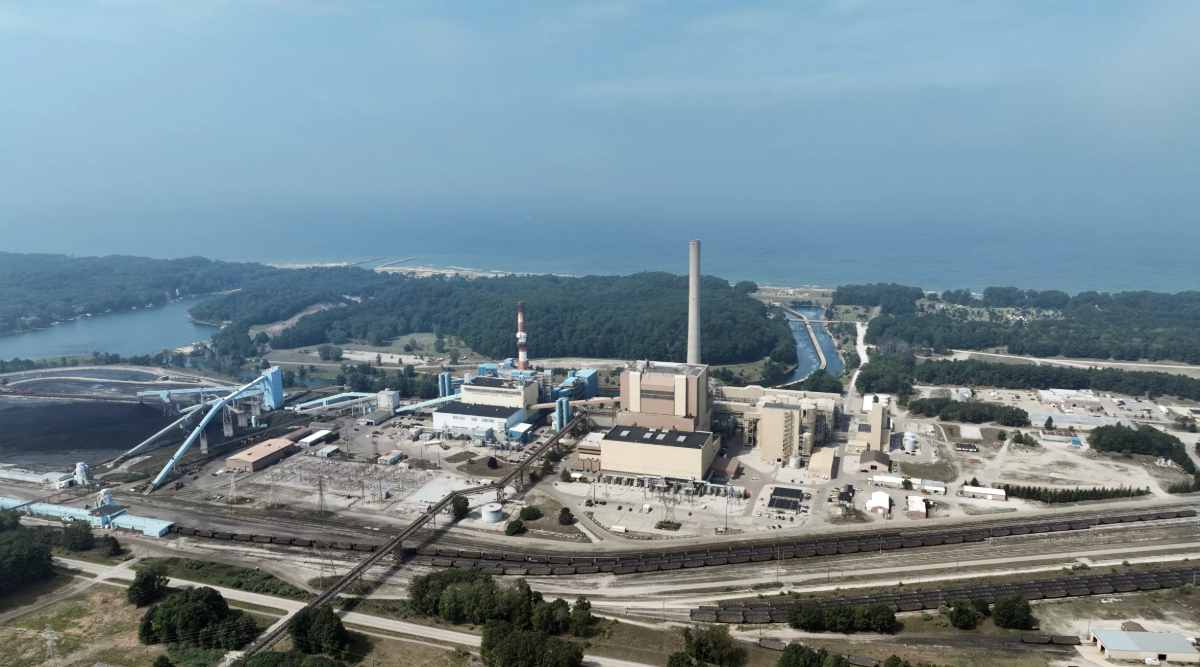
The J.H. Campbell generating station, a coal-fired facility located in West Olive, Michigan, has been operating since 1962. Consumers Energy, the plant’s owner, had developed a plan to retire the facility and replace it with natural gas and solar generation paired with battery storage—a transition approved by Michigan regulators and regional grid operators.
The Trump administration intervened by invoking Section 202(c) of the Federal Power Act, which grants the executive branch authority to order continued operation of coal plants during weather emergencies. According to reporting, this provision had historically been used sparingly and only for brief periods. The administration reinterpreted the statute to permit indefinite renewable emergency declarations, issuing six consecutive 90-day orders to keep J.H. Campbell operating without evidence of an actual emergency.
Michigan, joined by Minnesota and Illinois along with environmental organizations including Earthjustice, the Sierra Club, and the Natural Resources Defense Council, challenged the orders in federal court. On Friday, September 11, the DC Circuit Court of Appeals sided with the challengers, with Judge Cornelia Pillard writing that emergency authority exists only for genuine crises and that long-term power generation planning remains the responsibility of states and grid operators. The court found the Department of Energy had unlawfully overstepped its authority and misused emergency powers to prevent a market-driven retirement.
Environmental advocates hailed the decision as a rebuke of the administration’s fossil fuel agenda. Grid operators and utilities countered that demand-supply management belongs within their purview, and that maintaining an unneeded plant contradicted established planning processes. The ruling means MISO ratepayers, who had been charged more than $248 million to sustain the facility over the preceding year despite no operational necessity, may now see the plant proceed toward planned retirement.
Article Attribution | Read More at Article Source
Article summary produced by Claude AI