

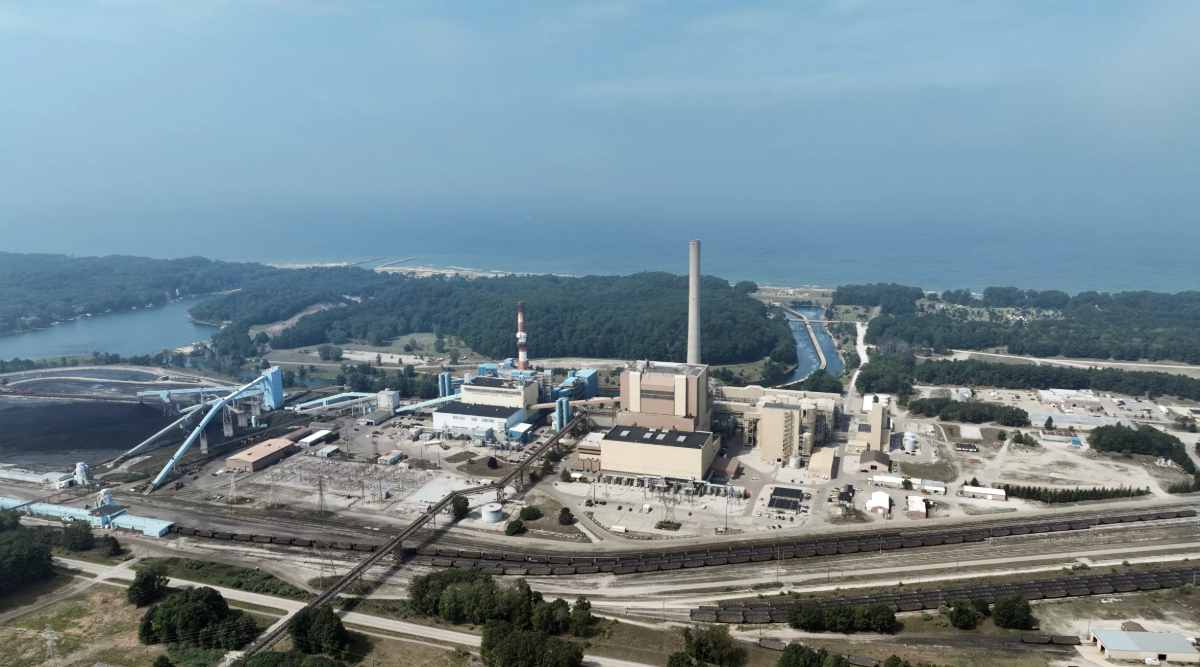
The J.H. Campbell generating station, a coal-fired facility located in West Olive, Michigan that began operations in 1962, has been at the center of a significant federal court dispute. Consumers Energy, the plant’s owner, had developed plans to retire the aging facility and replace it with a combination of natural gas and solar power generation alongside battery storage systems. The proposal received approval from Michigan state regulators and grid operators managing the regional electrical network, with technical assessments confirming adequate supply capacity for the transition.
The Trump administration invoked Section 202(c) of the Federal Power Act, which permits executive-ordered operation of coal plants during weather emergencies. The administration issued six consecutive 90-day extension orders claiming an ongoing energy emergency, despite no demonstrated need for the facility’s continued operation. Michigan, Minnesota, Illinois, and a coalition of environmental organizations challenged the orders in federal court.
On September 11, 2026, the DC Circuit Court of Appeals ruled against the administration. Judge Cornelia Pillard, writing for the three-judge panel, determined that the claimed energy emergency was unfounded and that emergency authority under Section 202(c) requires a genuine, imminent emergency rather than long-term policy preferences. The court affirmed that states and grid operators, not the federal government, bear responsibility for managing power generation and long-term planning when systems are functioning adequately.
Legal representatives from environmental organizations emphasized that the ruling establishes that emergency powers cannot be used to override established planning processes or to favor particular energy sources. Analysts noted that ratepayers in the service region had been charged approximately $248 million to maintain operations at the facility during the period when no emergency need was documented.
The decision clarifies the scope of executive emergency authority under federal energy law and affirms state-level authority over power generation decisions when grid operators report adequate capacity.
Article Attribution | Read More at Article Source
Article summary produced by Claude AI