

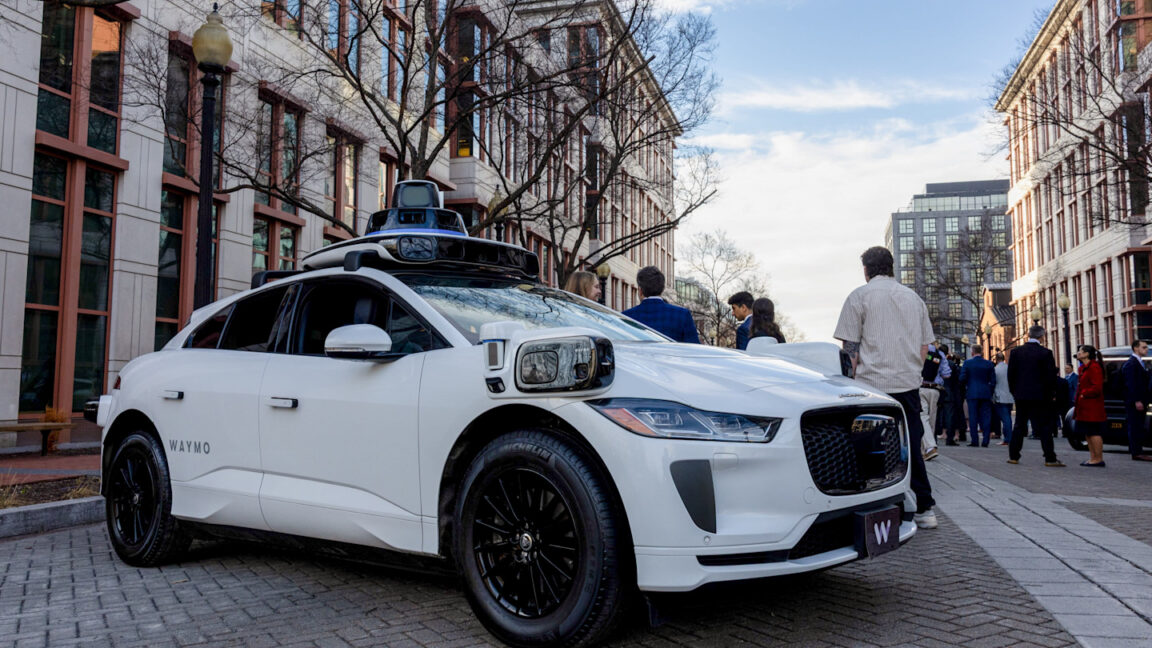
Waymo, owned by Alphabet, has significantly increased its spending on federal lobbying efforts during the second quarter of 2026, allocating more than $1 million between April and June. This represents a more than doubling of the company’s spending from the equivalent period a year prior, bringing its quarterly expenditure close to that of rival Uber while substantially exceeding other competitors in the autonomous vehicle sector.
The escalation in lobbying activity reflects deepening competition between Waymo and Uber over the strategic direction of ride-hailing services. Waymo is advocating for a regulatory framework that would enable faster deployment of fully driverless commercial operations, whereas Uber has promoted an alternative model in which robotaxis would operate alongside traditional human-driven vehicles. The divergence in their policy positions has contributed to deteriorating relations between the companies, with reports indicating that Waymo has been evaluating ways to terminate its service partnerships with Uber in Austin and Atlanta.
Both companies are concentrating lobbying efforts across multiple jurisdictions, including several states and Washington, DC, following regulatory obstacles that have prevented expansion into major markets such as New York and Chicago. Labor groups and political representatives have raised concerns that autonomous vehicle technology could displace workers and undermine existing taxi services. In the first half of 2026, Waymo’s overall lobbying expenditure increased by 93 percent compared to the prior year, reaching slightly more than $2 million, and the company has enlisted additional law firms to support its advocacy efforts.
Waymo has prioritized efforts in key markets, particularly spending more than $500,000 in New York state alone to establish a presence in one of the country’s largest taxi markets. The company’s activities have intensified following a decision by Governor Kathy Hochul to reverse earlier proposals that would have permitted autonomous vehicle companies to operate widely throughout the state. Waymo has also reportedly offered to establish a $20 million fund to assist drivers affected by autonomous vehicle deployment.
Meanwhile, Uber has committed substantial resources to autonomous vehicle development and has pursued different regulatory strategies, advocating for hybrid service models that would require platforms offering robotaxi services to maintain human drivers for a significant portion of rides during testing phases. The company has proposed requirements such as ensuring human drivers handle at least 85 percent of rides in certain jurisdictions during pilot programs.
Article Attribution | Read More at Article Source
Article summary produced by Claude AI