

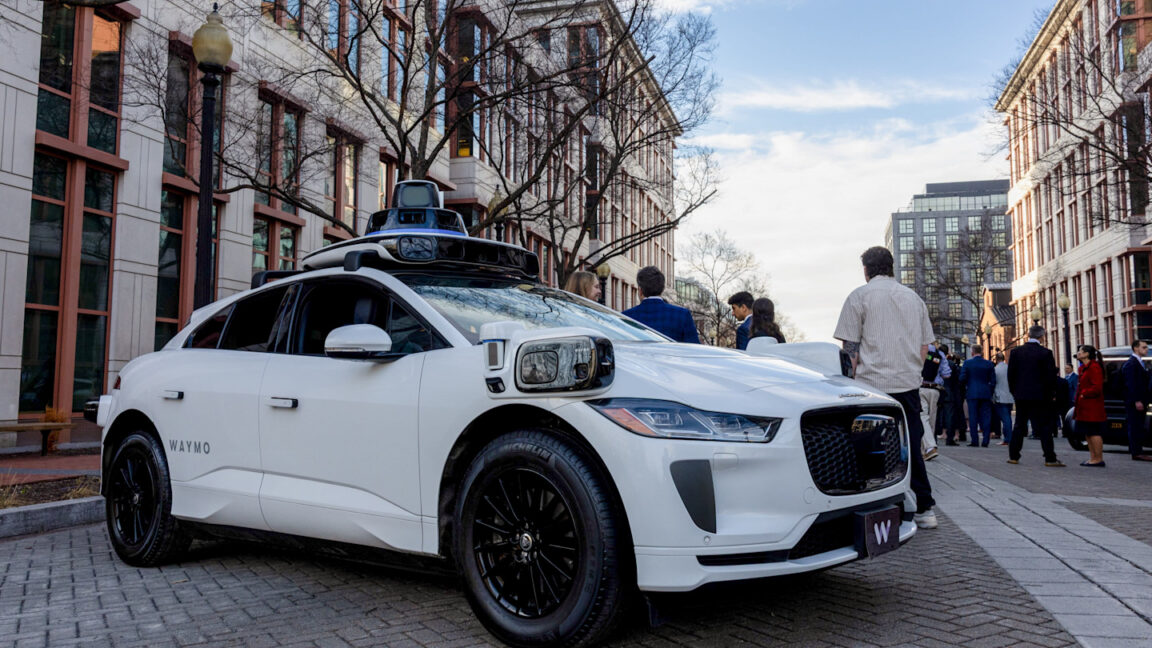
Waymo, owned by Alphabet, has significantly escalated its lobbying efforts to secure regulatory approval for fully autonomous taxi operations. Between April and June, the company spent more than $1 million on federal lobbying, representing more than a doubling of its spending compared to the same period a year prior. This escalation positions Waymo’s lobbying expenditure near that of competitor Uber and substantially ahead of other industry players such as Amazon’s Zoox and Tesla.
The companies are pursuing fundamentally different regulatory strategies that have contributed to deteriorating relations between them. Waymo is advocating for an expedited pathway to fully driverless commercial services, while Uber is promoting a phased approach that allows robotaxis to operate concurrently with human-driven vehicles. The competing approaches have prompted exploration of strategic options, including potential exits from existing partnerships in certain markets.
Waymo has increased its total lobbying expenditures by 93 percent during the first half of the year, reaching slightly more than $2 million. The company has retained additional legal and lobbying representation, including law firm Greenberg Traurig as of May. Waymo is particularly focused on securing approvals in key markets such as New York and the District of Columbia, where it has substantially outspent competitors on lobbying efforts. In New York state alone, the company has allocated more than half a million dollars this year—exceeding Uber’s spending in the state by more than double—following the governor’s decision to withdraw earlier proposals that would have permitted broader autonomous vehicle operations.
Uber has committed over $10 billion to autonomous vehicle development through equity investments and fleet agreements following its exit from internal self-driving development. The company has positioned itself as supporting measured deployment and is lobbying for hybrid network models requiring platforms to maintain human drivers for a significant portion of rides during pilot phases. Both companies face opposition from labor groups and politicians concerned about potential job displacement and service disruptions in markets including New York and Chicago.
Article Attribution | Read More at Article Source
Article summary produced by Claude AI