

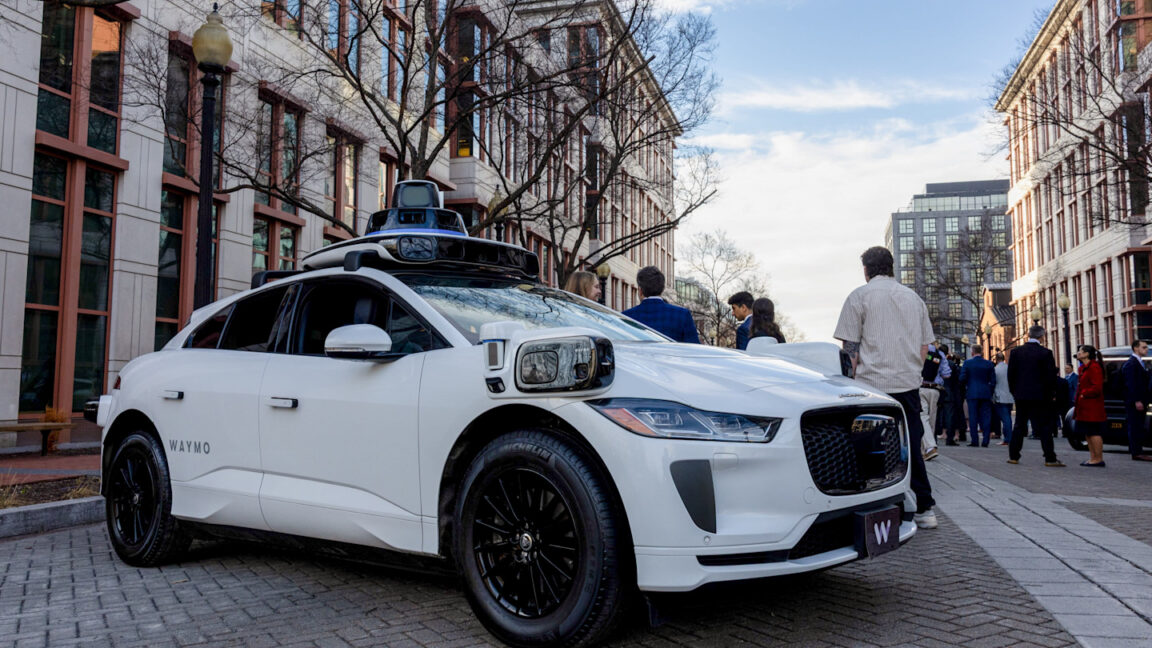
Waymo, owned by Alphabet, has significantly escalated its regulatory lobbying efforts in pursuit of expanded robotaxi deployment across the United States. The company spent more than $1 million on federal lobbying between April and June, representing a more than doubling of its spending compared to the same period in the prior year. This heightened advocacy activity places Waymo’s lobbying expenditures on par with rival Uber and substantially ahead of other autonomous vehicle competitors such as Amazon’s Zoox and Tesla.
The intensified lobbying campaign reflects Waymo’s strategic push for what the company characterizes as a faster pathway to fully driverless commercial operations. This stance contrasts with Uber’s preferred approach, which envisions a phased rollout allowing robotaxis to operate alongside traditional human-driven vehicles. The competing regulatory visions of the two companies have contributed to deteriorating relations between them, including reports that Waymo is considering ending its service partnerships with Uber in Austin and Atlanta.
Waymo has concentrated its advocacy efforts across multiple jurisdictions. At the federal level, the company has called for a unified regulatory framework to facilitate robotaxi expansion. In state-level efforts, Waymo has outpaced both Uber and Zoox in lobbying spending in Washington, DC, and has invested more than half a million dollars in New York this year alone, more than double Uber’s state spending. The company has also engaged with policymakers in New Jersey regarding a proposed three-year pilot program.
Both companies face substantial political and labor opposition to rapid autonomous vehicle deployment. Concerns about driver displacement and impacts on existing transportation services have stalled expansion efforts in major markets including New York and Chicago. Waymo has attempted to address these concerns by proposing a $20 million fund to support drivers affected by autonomous vehicle technology implementation.
Uber has taken a different regulatory approach, advocating for hybrid networks that would require platforms operating robotaxis to maintain human drivers for a specified percentage of rides during any pilot phases. The company abandoned its own self-driving program in 2020 and has since invested more than $10 billion in autonomous vehicle capabilities through equity investments and fleet partnerships. Both companies have characterized their positions as pro-autonomous vehicle deployment while framing competitor approaches as anti-technology or anticompetitive.
Article Attribution | Read More at Article Source
Article summary produced by Claude AI