

The Houthi movement in Yemen operates with significant autonomy from Iran despite receiving Iranian military support, according to analysis of recent developments in the region. The group has maintained consistent demands since rejecting a 2023 UN proposal that would have provided salaries for Houthi officials and revenue-sharing from Yemen’s oil and gas resources. These demands include an end to Saudi military operations, removal of port and airport restrictions, back pay, and war reparations. The confirmed Iranian military involvement centers on operations against Mocha and the Hanish Islands, directed by IRGC Quds Force commander Abdolreza Shahlai, which align with long-standing Houthi objectives regarding coastal control.
Recent diplomatic contact between Houthi representatives and US officials in Muscat, arranged by Oman, revealed that the group intends to maintain its ceasefire commitment reached in May 2025 and has pledged not to target American or Israeli vessels. The Houthis indicated they would spare commercial shipping while continuing operations against Saudi Arabia, effectively framing the conflict as bilateral rather than part of a broader regional struggle. This positioning appears designed to prevent US escalation and maintain the appearance of a localized dispute rather than an Iran-sponsored campaign.
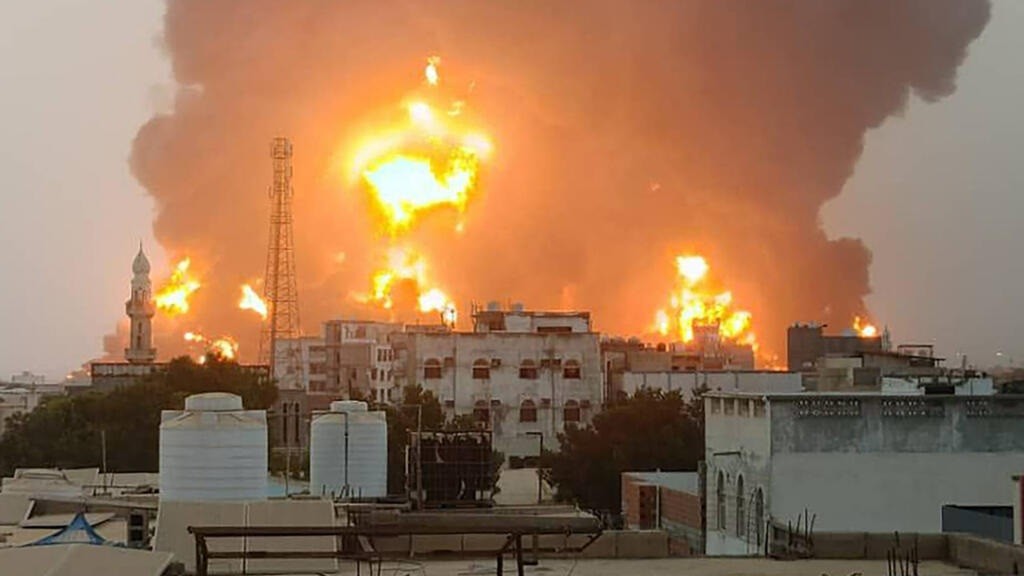
Recent attacks attributed to the Houthis on September 8 struck Saudi oil facilities and utilities across four southern cities, causing fires and wounding dozens of people. However, subsequent strikes on oil infrastructure on September 10-11 and a reported drone approach to Mecca on September 16 either lacked independent verification or were attributed to other actors, including Iraq-based militias and potentially false-flag operations. The Houthis lack the range and precision to independently strike distant Saudi targets like Abqaiq in the Eastern Province, which would require Iranian-provided systems and would undermine the claim that this is primarily a Houthi-Saudi conflict.
On the ground, Houthi forces have consolidated control over coastal areas including Mocha and Perim Island without triggering direct US military involvement. The internationally recognized Yemeni government has lost significant territory, with retreating forces regrouping in Marib amid low morale. Displacement from fighting has affected thousands of families across multiple provinces. The Houthi administration maintains control in Sanaa and operates a currency more stable than the government’s through direct exchange control, though domestic fuel prices have sparked some unrest among populations under their authority.
Article Attribution | Read More at Article Source
Article summary produced by Claude AI