

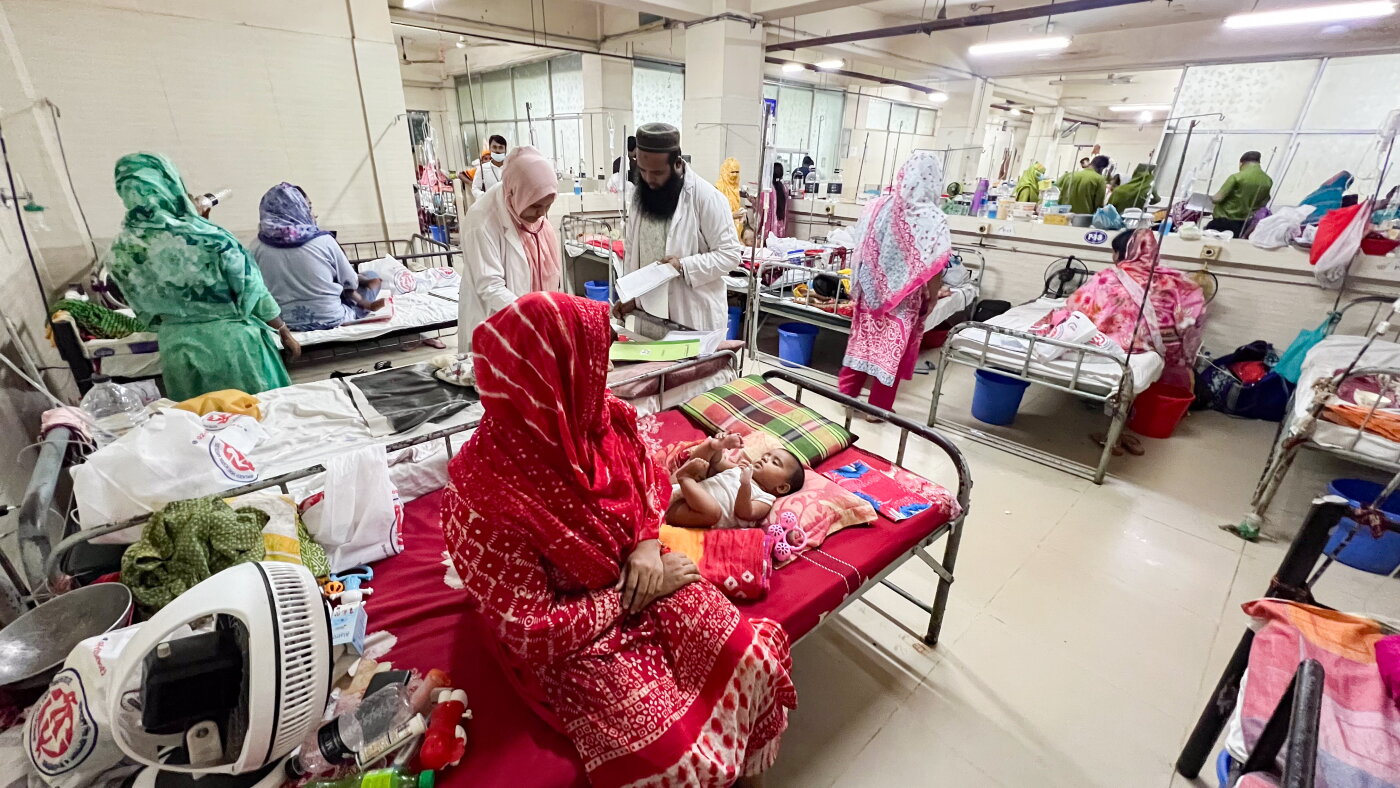
A severe measles outbreak that began in March has persisted in Bangladesh well into the later months of the year, contrary to earlier projections of rapid containment. The disease has affected a significant portion of the country’s population, with the Centers for Disease Control and Prevention documenting more measles cases in Bangladesh than any other nation during the first half of the year, totaling 57,561 cases. By early September, the death toll from suspected and confirmed measles cases had exceeded 1,000 children.
Government health officials initially expressed confidence that the crisis would be resolved through vaccination efforts. In April, authorities launched a nationwide campaign targeting 18 million children between 6 months and 5 years of age, ultimately exceeding that goal by vaccinating 18.4 million. However, this effort proved insufficient to reach all unvaccinated populations. Health experts subsequently determined that approximately 22.6 million children required vaccination to achieve adequate coverage, creating a substantial immunization gap that allowed the highly contagious virus to continue spreading.
Experts have attributed the outbreak’s persistence to the nature of measles transmission and gaps in vaccination coverage. According to available data, 72 percent of cases occurred among individuals who had received no vaccine doses, while 16 percent were partially vaccinated. Malnutrition, which is widespread in Bangladesh, has compounded the crisis by increasing the severity of illness and reducing vaccine effectiveness. Additional vaccination campaigns were announced in August, with authorities planning to administer 1.6 million doses and procure 2.5 million additional doses for future distribution.
Beyond the immediate health crisis, the outbreak has created severe economic hardship for affected families. Assessments conducted during May and June found that nearly 90 percent of affected households had borrowed money for treatment, while 60 percent had exhausted their savings. Caregivers have faced income loss from missing work to provide care or attend repeated medical appointments, creating cascading economic consequences for low-income families dependent on daily wages. Families who lost children face the most profound impact, experiencing both emotional devastation and financial strain from the ordeal.
Article Attribution | Read More at Article Source
Article summary produced by Claude AI