

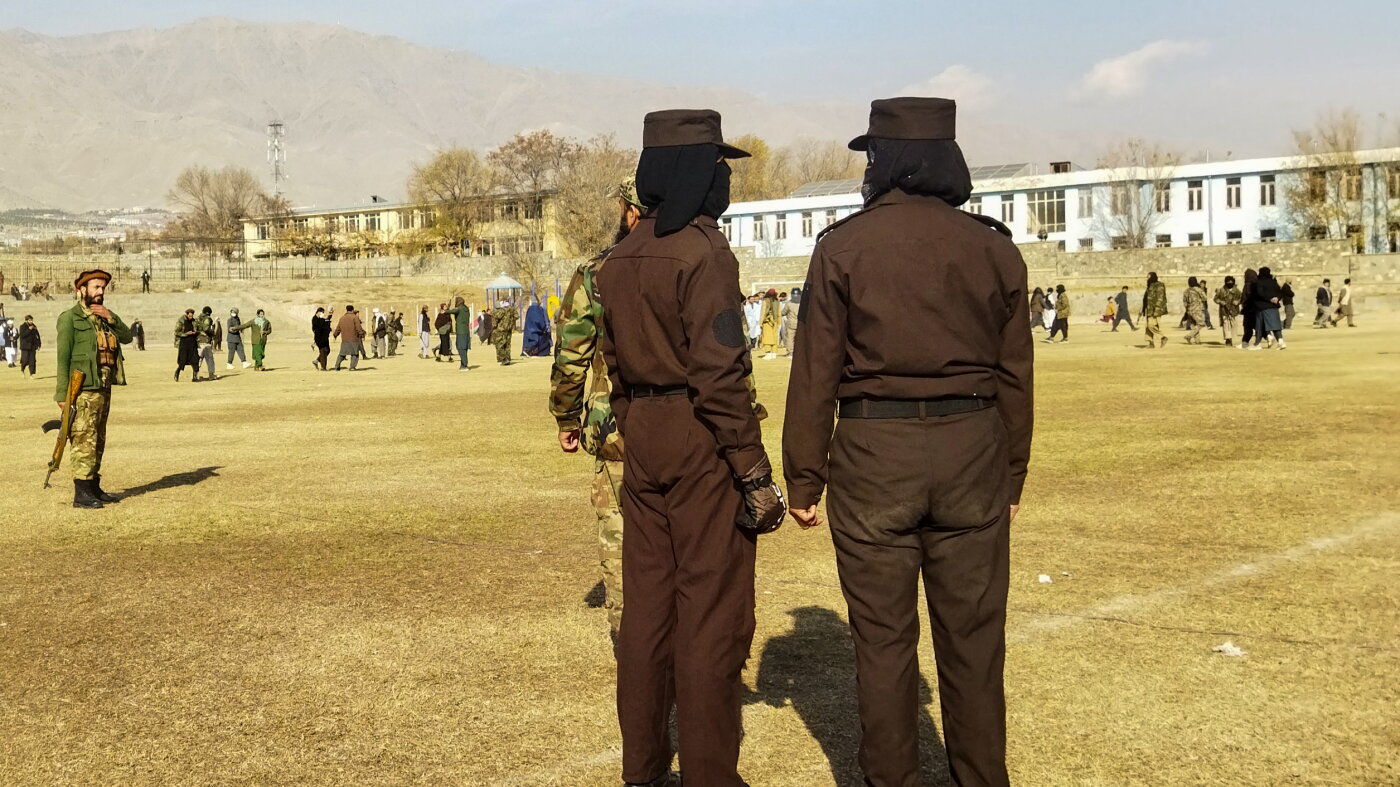
The Taliban has substantially escalated the use of public flogging and corporal punishment as judicial measures, according to human rights organizations and international bodies. In March 2024, Taliban supreme leader Hibatullah Akhundzada issued an audio statement explicitly endorsing flogging and stoning as punishment methods. Documentation from multiple sources, including Taliban’s own court records and U.N. reports released in March 2026, shows a dramatic increase in such cases, with the U.N. reporting that more flogging incidents occurred in 2025 alone than in all prior years combined.
Human rights groups estimate thousands of individuals have undergone corporal punishment. The Afghanistan Human Rights and Democracy Organization cited 2,745 cases between February and April based on Taliban public records, while the U.N. documented at least 1,110 flogging cases in 2025. Activists have obtained video evidence of these punishments, though the Taliban prohibits filming at such events. Legal experts note that women and marginalized communities, including Afghanistan’s LGBT population, face disproportionate impact, often punished for actions like appearing in public without a male guardian or engaging in same-sex relations.
According to international law specialists, these punishments violate Afghanistan’s obligations under multiple human rights treaties, including the Convention against Torture and the Convention on Civil and Political Rights. The punishments are applied without due process protections; documented cases show individuals were denied legal representation and opportunity to present a defense. Legal observers characterize these practices as serving dual purposes: formal punishment and population control through intimidation.
The escalation coincides with the Taliban’s broader dismantling of Afghanistan’s legal infrastructure. Since taking power in 2021, the Taliban has dismissed approximately 270 women judges and roughly 1,500 registered female lawyers, effectively excluding women from the justice system. Human rights advocates argue that corporal punishment functions as an enforcement mechanism for the Taliban’s restrictive decrees limiting women’s education, employment, and public participation.
Article Attribution | Read More at Article Source
Article summary produced by Claude AI