

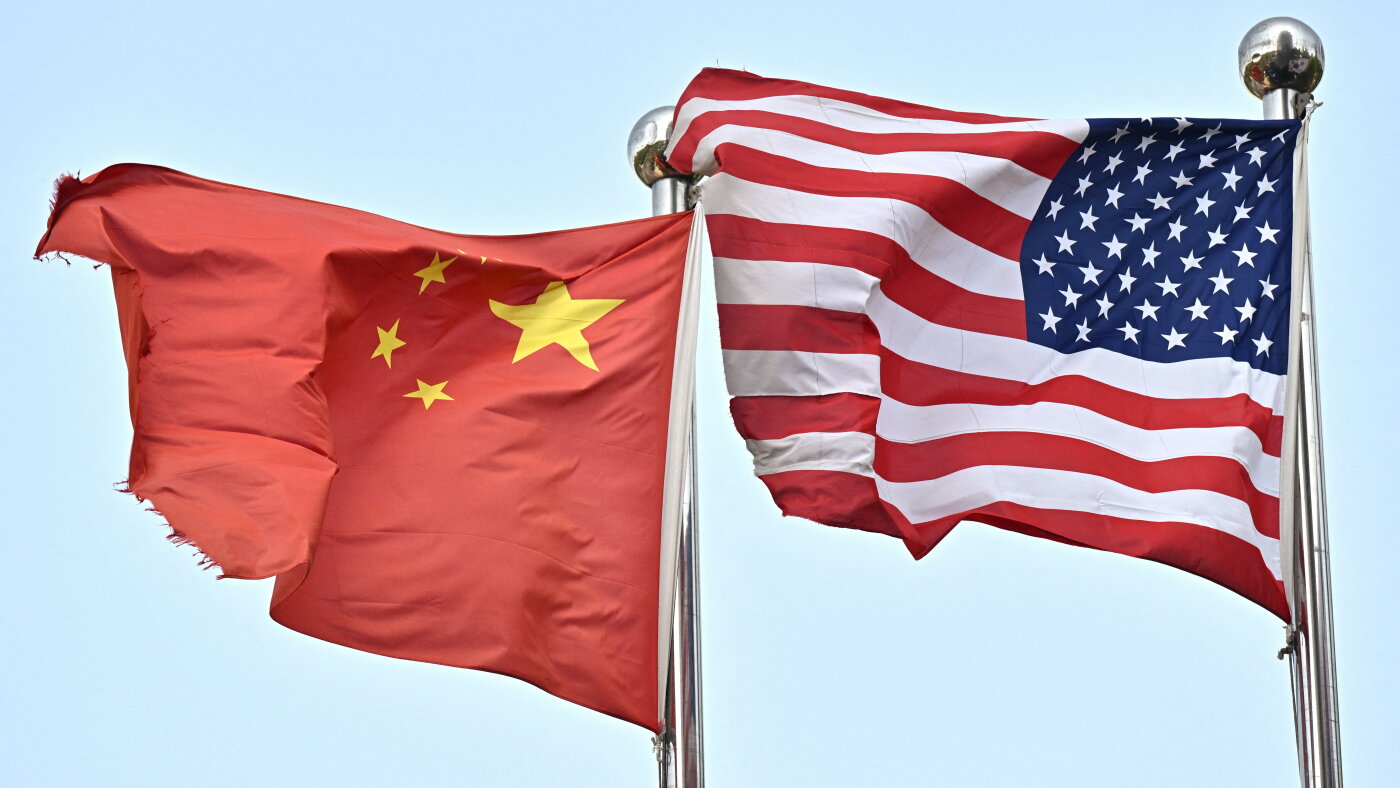
The United States and China face significant tensions regarding artificial intelligence development, with recent accusations of intellectual property theft and threats of sanctions from Washington, alongside Chinese criticism of American chip export restrictions and allegations of Cold War tactics. Despite these official-level frictions, experts and former diplomats point to a growing network of informal bilateral discussions at what diplomacy specialists term the “Track Two” level, where private experts and officials from both nations engage in candid conversations about AI risks and opportunities.
Track Two diplomacy has existed for decades as a complement to formal government-to-government interactions, operating through think tanks, universities, and policy organizations to explore sensitive topics without official pressure to reach public consensus. The National Committee on U.S.-China Relations, which has facilitated such dialogues since 1972, views AI as perhaps the most critical subject for bilateral discussion, though also among the most challenging given the current climate of mistrust. According to former diplomats involved in these efforts, Track Two discussions have previously served as effective back channels, including efforts that helped restore military-to-military communications between the two nations and supported agreements on human control of nuclear weapons decisions.
Recent Track Two conversations on AI in Chinese cities have revealed surprising common ground beneath the surface friction. Participants describe a shared recognition of vulnerabilities and risks created by advanced AI systems, with Chinese specialists increasingly acknowledging the importance of dialogue despite concerns about technological parity. The discussions allow experts to address sensitive issues more openly and help policymakers understand each side’s red lines and decision-making processes without binding either government to public positions.
However, experts caution that Track Two mechanisms alone cannot resolve fundamental differences between the nations’ approaches to AI policy. The United States prioritizes concerns about cyber vulnerabilities and loss of AI control, while China emphasizes regime stability and technological self-reliance. Policy specialists argue that these informal dialogues work most effectively when supported by political leadership willing to act on their recommendations, and they note a current absence of such leadership engagement that may limit concrete outcomes from ongoing discussions.
Article Attribution | Read More at Article Source
Article summary produced by Claude AI