

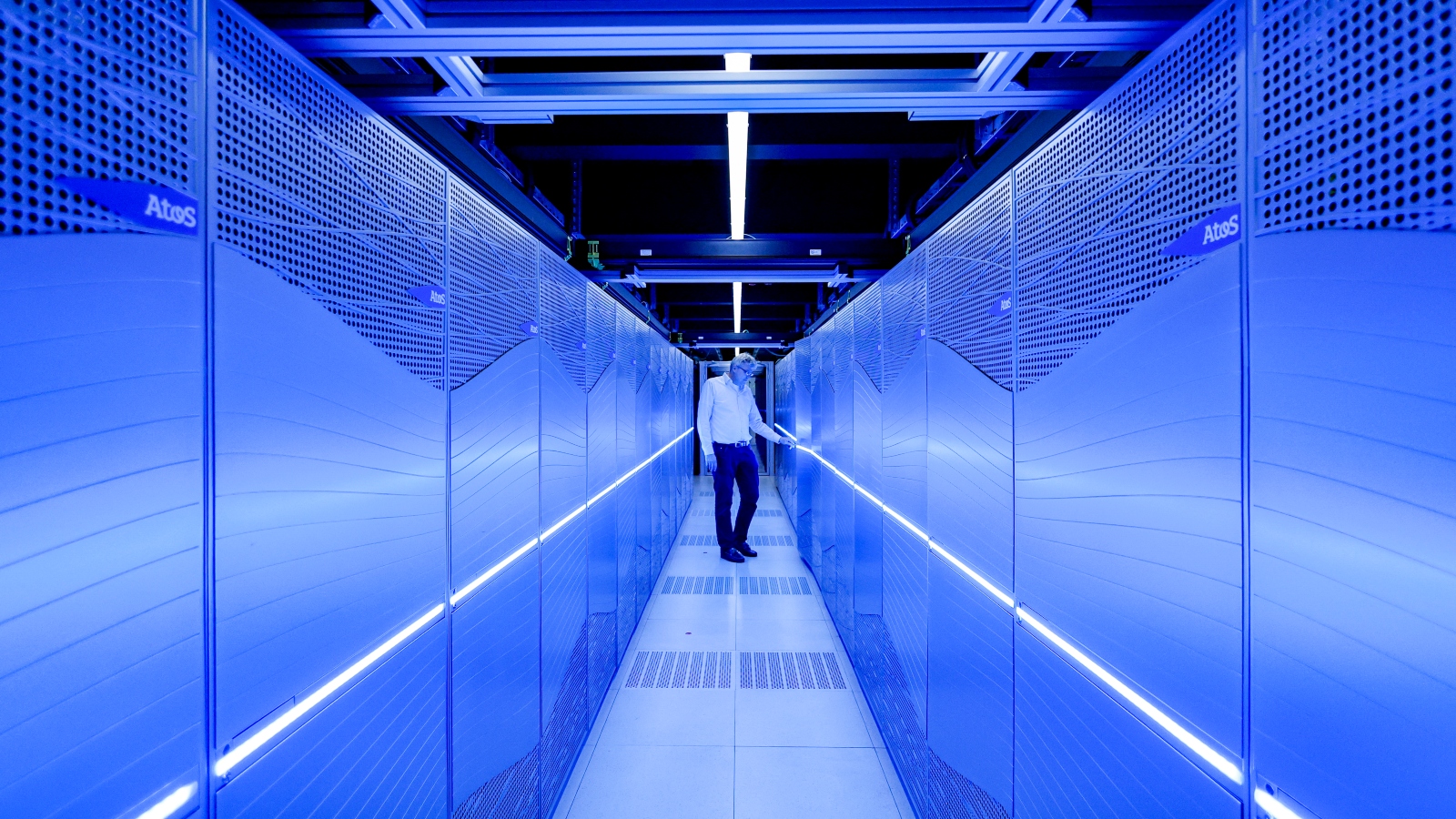
German scientific institutions are creating redundant storage facilities for climate data and research generated by U.S. scientists, with the primary motivation being safeguarding information from potential political interference. The German Climate Computing Center in Hamburg is installing additional storage capacity specifically to hold backup copies of climate simulations that will contribute to the next United Nations climate assessment scheduled for 2029. This initiative follows actions by the current U.S. administration including reduced climate research funding, removal of warming-related references from government websites, and efforts to prevent satellite data collection.
The German Research Foundation established a program in late 2025 with a $35 million budget to preserve copies of U.S. scientific data from public sources. The main backup project, called CMIP7-ark, is accompanied by six related initiatives with names such as SHIELD and SEND. Officials from the German Research Foundation have expressed concerns that the Trump administration could block European access to stored data or potentially manipulate research findings. Trust in U.S. science policy among European scientific institutions has declined significantly following the U.S. withdrawal from the UN Intergovernmental Panel on Climate Change and related climate frameworks in January.
Historically, scientific datasets have been stored at single physical locations—typically at institutions where they were generated—partly because data transfer logistics and costs were prohibitive. Large-scale data transfers measured in petabytes can take months and require expensive infrastructure. However, geopolitical instability, cyberattacks, and infrastructure vulnerabilities have prompted reconsideration of this approach. Data preservation experts emphasize that backup systems and maintenance infrastructure are frequently undervalued until failure occurs, making centralized storage arrangements increasingly risky in contemporary conditions.
U.S. taxpayer-funded environmental data technically remains in the public domain but exists in vulnerable physical forms requiring expert maintenance. Recent examples of potential political interference include threats to NASA’s Socioeconomic Data and Applications Center, which maintains hundreds of federally funded datasets developed over decades combining satellite data with human population and infrastructure information. International climate research coordinators now consider overseas data repositories essential safeguards for all major climate contributions to ensure continuity of critical scientific work despite potential domestic disruptions.
Article Attribution | Read More at Article Source
Article summary produced by Claude AI