

An exceptionally strong El Niño system is developing off the Pacific coast of South America, with water temperatures more than 3 degrees Celsius above normal—the warmest recorded since satellite measurements began roughly fifty years ago. Scientists expect the phenomenon to intensify further, potentially reaching approximately 4 degrees above normal by late in the year. This extreme oceanic warming is creating contrasting weather impacts across the two sides of the Americas.
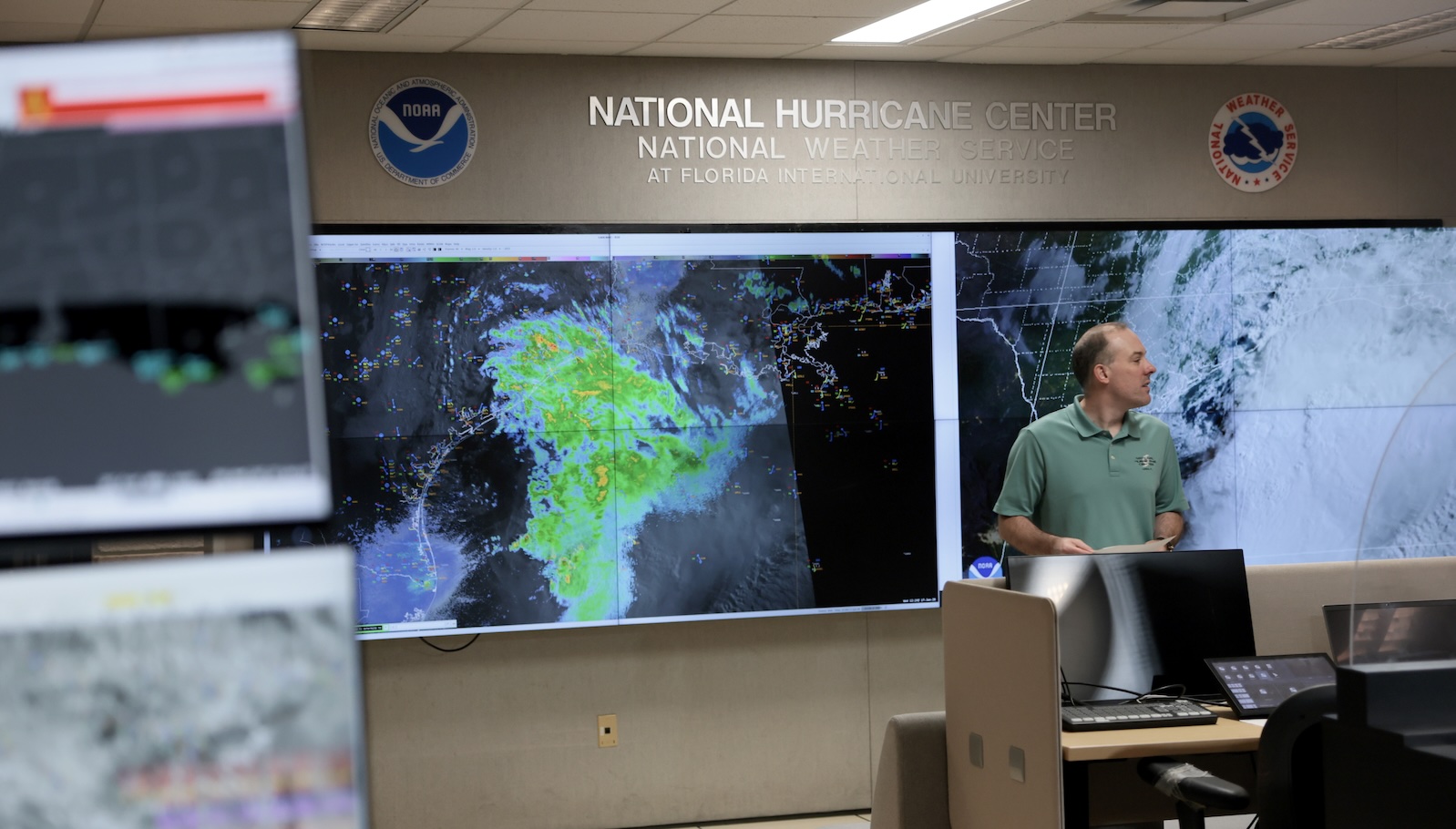
The Atlantic hurricane season, which commenced in June, has produced no hurricanes to date, marking a dramatic departure from historical norms. Typically, this point in the season should have witnessed four hurricanes, including two of major strength. The previous record for the latest first hurricane occurrence was September 11. The lack of Atlantic hurricane activity stems directly from El Niño’s influence on atmospheric conditions. The phenomenon increases wind shear over the Atlantic basin, creating air currents moving at different speeds and directions at various altitudes—conditions that actively suppress hurricane formation and limit their intensity. Additionally, El Niño generates dry, sinking air in the region, further inhibiting the moisture that hurricanes require to develop and strengthen.
Conversely, the Pacific basin is experiencing intensified storm activity. Hurricane Polo underwent rapid intensification, strengthening from a tropical storm to Category 5 status in less than a day, with models indicating a potential landfall in Baja California early in the coming week. Another tropical system, Nolo, developed into a hurricane and poses a rainfall threat to Hawai’i. The warmer Pacific waters, amplified by El Niño conditions, provide increased energy for storm development and intensification.
Beyond hurricane impacts, the record-strength El Niño is expected to create global disruptions. Scientists project that excess heat generated during the initial nine months could result in approximately 451,000 heat-related deaths worldwide. The phenomenon also disrupts precipitation patterns globally, increasing rainfall in regions such as California and the Southwest while substantially reducing it in Southeast Asia, the Amazon rainforest, and parts of Africa. Historical precedent suggests that resulting droughts may trigger crop failures with severe economic and humanitarian consequences, particularly affecting subsistence farmers dependent on successful harvests.
Climate scientists note that such extreme conditions preview conditions expected to become more common as planetary warming continues. Policymakers face pressure to implement preparedness measures including food stockpiling, financial support systems for affected farmers, and land management strategies such as controlled burns to reduce wildfire risk as drought conditions develop.
Article Attribution | Read More at Article Source
Article summary produced by Claude AI