

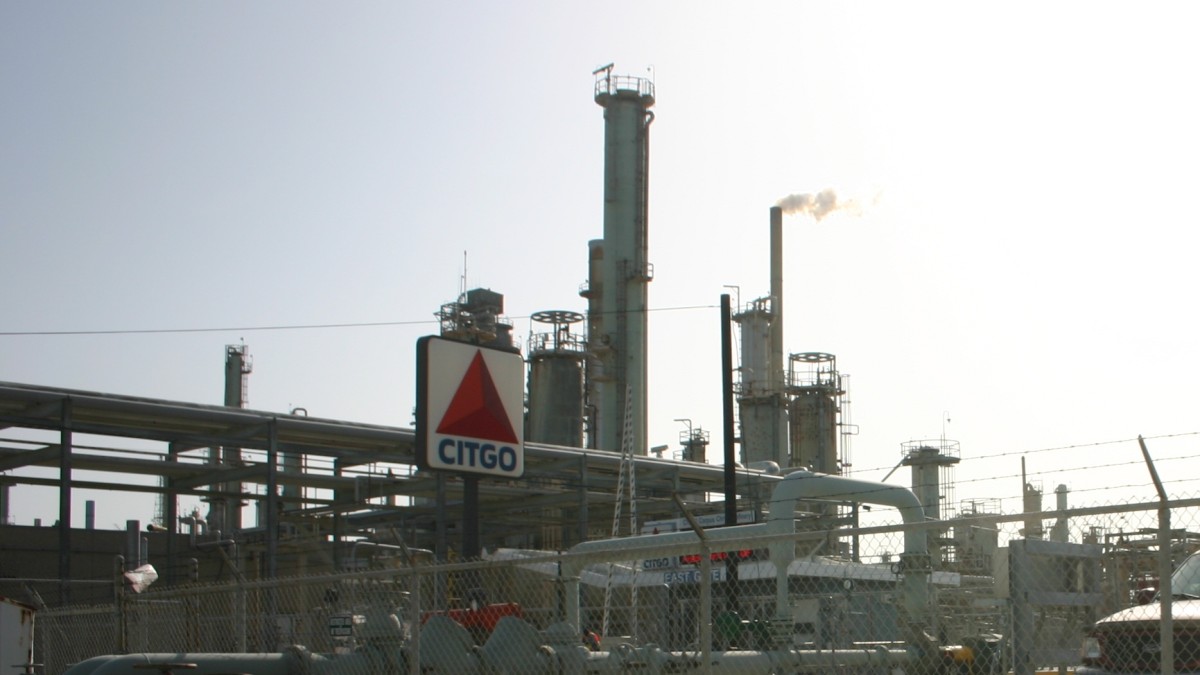
The Trump administration announced a deal granting the United States majority control over Venezuelan oil fields containing more than 65 billion barrels of crude, with officials projecting that expanded access to Venezuelan supplies would substantially reduce gasoline prices. The agreement also includes provisions to direct Venezuelan crude toward refilling the Strategic Petroleum Reserve. Venezuela holds the world’s largest proven oil reserves, and its heavy crude is particularly compatible with the sophisticated refinery infrastructure located along the U.S. Gulf Coast.
While increased Venezuelan production could provide benefits to American refiners, the actual impact on pump prices depends on the volume of additional crude that can be brought online and its ultimate destination. Venezuela currently produces approximately 1.25 million barrels per day, with new projects targeting output exceeding 1.5 million bpd. Further expansion beyond that level would require substantial investment in drilling operations, infrastructure upgrades, access to diluent supplies, and additional drilling rigs. U.S. imports of Venezuelan crude averaged 637,000 bpd during the four weeks ending August 21, making Venezuela the second-largest crude supplier to the United States behind Canada.
The primary constraint on gasoline prices stems from refining capacity rather than crude oil availability. U.S. refinery utilization reached 97.4 percent during the week ending August 21, the highest level in nearly eight years, with crude inputs around 17.4 million bpd. Global refinery operations have been disrupted by conflict in the Middle East, with production down from 9.9 million bpd to 7.3 million bpd. Additional Venezuelan barrels can replace more expensive feedstock and improve refinery economics, but substituting one crude source for another does not increase processing capacity.
Analysts expect that meaningful downward pressure on gasoline prices from Venezuelan oil will develop over the longer term as production increases, though such expansion will require years of development and billions in investment. Current market conditions show diesel cracks at their highest levels in years, reflecting the global shortage of refined products. While the White House is pursuing meetings with major refiners this week to explore near-term price relief measures, industry observers indicate that Venezuelan production increases are unlikely to materially affect prices at the pump before November.
Article Attribution | Read More at Article Source
Article summary produced by Claude AI