

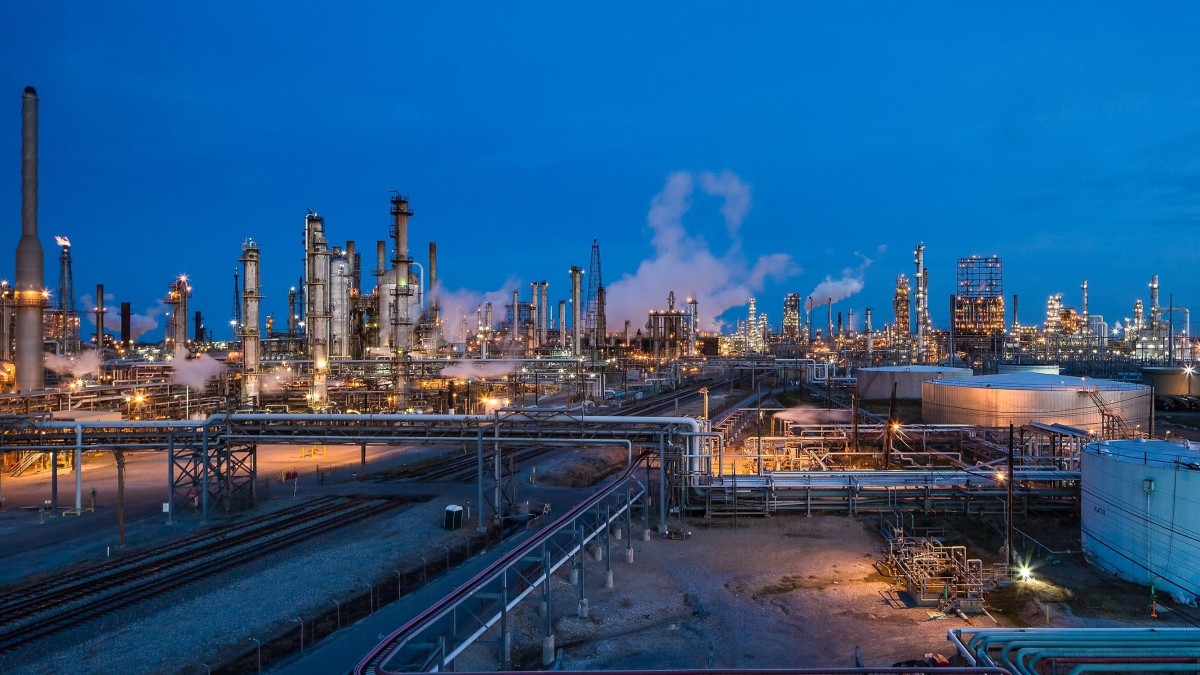
The Trump administration met with major U.S. oil refiners this week to pressure executives into increasing refining capacity and lowering gasoline prices, which have remained above $4 per gallon on average as drivers face historically expensive Labor Day weekend fuel costs. However, industry analysts and executives indicate that refiners face significant structural constraints preventing any rapid increase in fuel supply.
U.S. refineries have been operating at near-maximum capacity throughout the summer, with utilization rates reaching 98% nationally by late August, including peaks of 103.5% in the Midwest. These elevated utilization levels represent the longest consecutive three-month stretch of operations above 95% since 2000, driven by global fuel market tightness and peak seasonal demand. Industry experts note that with refineries running at these levels, there is minimal room to process additional crude oil or increase output meaningfully.
Major oil companies are not planning to construct new refineries despite record-high profit margins in recent months. Executives argue that multibillion-dollar investments in new refining facilities would not be economically justified, given that such projects require approximately five years to complete and come online during a period when fuel demand is projected to level off and decline. Industry analysts emphasize that even smaller capacity additions would take months or years to impact pump prices.
Global supply disruptions have created the tight market conditions. A U.S.-Iran conflict has crippled crude and fuel supplies from the Middle East, while additional refining capacity offline in Asia, Russia, and other regions has reduced global processing capability by approximately 8 million barrels per day. Refiners have exhausted strategic petroleum reserves through government releases, and crude oil prices have surged from $67 per barrel in February to approximately $90 per barrel, a primary driver of elevated gasoline costs. Executives acknowledge that sustained high utilization rates cannot continue indefinitely, with further unplanned maintenance turnarounds likely in the near term.
Article Attribution | Read More at Article Source
Article summary produced by Claude AI