

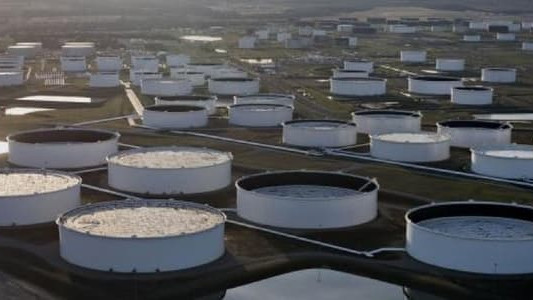
Oil markets experienced modest gains this week despite significant divergence between benchmark prices, with WTI crude declining sharply relative to Brent as multiple demand and supply factors reshaped global energy dynamics.
The US benchmark WTI fell approximately 7% during the week, trading at a $12-per-barrel discount to ICE Brent as market participants grew concerned about potential cuts to refinery operations and crude purchasing. Rising freight costs and discussions surrounding a possible US diesel export ban weighed heavily on the American crude outlook. The Brent-WTI spread widened amid diplomatic developments at the UN General Assembly, including reports of negotiations between US and Iranian officials regarding potential sanctions relief in exchange for reopening the Strait of Hormuz, alongside increased US military aircraft activity in the Middle East.
Supply dynamics shifted across multiple regions during the period. Libya’s national oil company clarified that it had not declared force majeure at the El Sharara field despite confirming earlier production reductions to 120,000 barrels per day. Russia expanded its Arctic export capacity as Rosneft commenced commercial loadings from the Sever Bay terminal at 150,000 barrels per day, with plans to increase to 600,000 barrels per day by late 2027. These developments underscored Moscow’s strategic focus on alternative shipping corridors independent of traditional routes.
Global energy markets reflected heightened concerns about supply chain disruptions and geopolitical risks. War-risk insurance premiums for tankers linked to Saudi Arabia’s Yanbu export facility surged to approximately 3% of vessel value, complicating restoration efforts for approximately 4 million barrels daily of exports. The European Union pressed the US regarding threatened diesel export restrictions that could exacerbate the region’s 700,000-barrel-per-day supply deficit. India announced plans to increase US liquefied petroleum gas purchases by over 25% for 2027, and South Korea initiated plans to reduce its reliance on Middle Eastern crude from 70% to 50% by 2035 amid diversification efforts.
Regional developments included Egypt crossing a historic threshold by importing more natural gas than it produced in July for the first time in 15 years, while France urged the European Commission to delay methane emissions regulations on an exceptional basis.
Article Attribution | Read More at Article Source
Article summary produced by Claude AI