

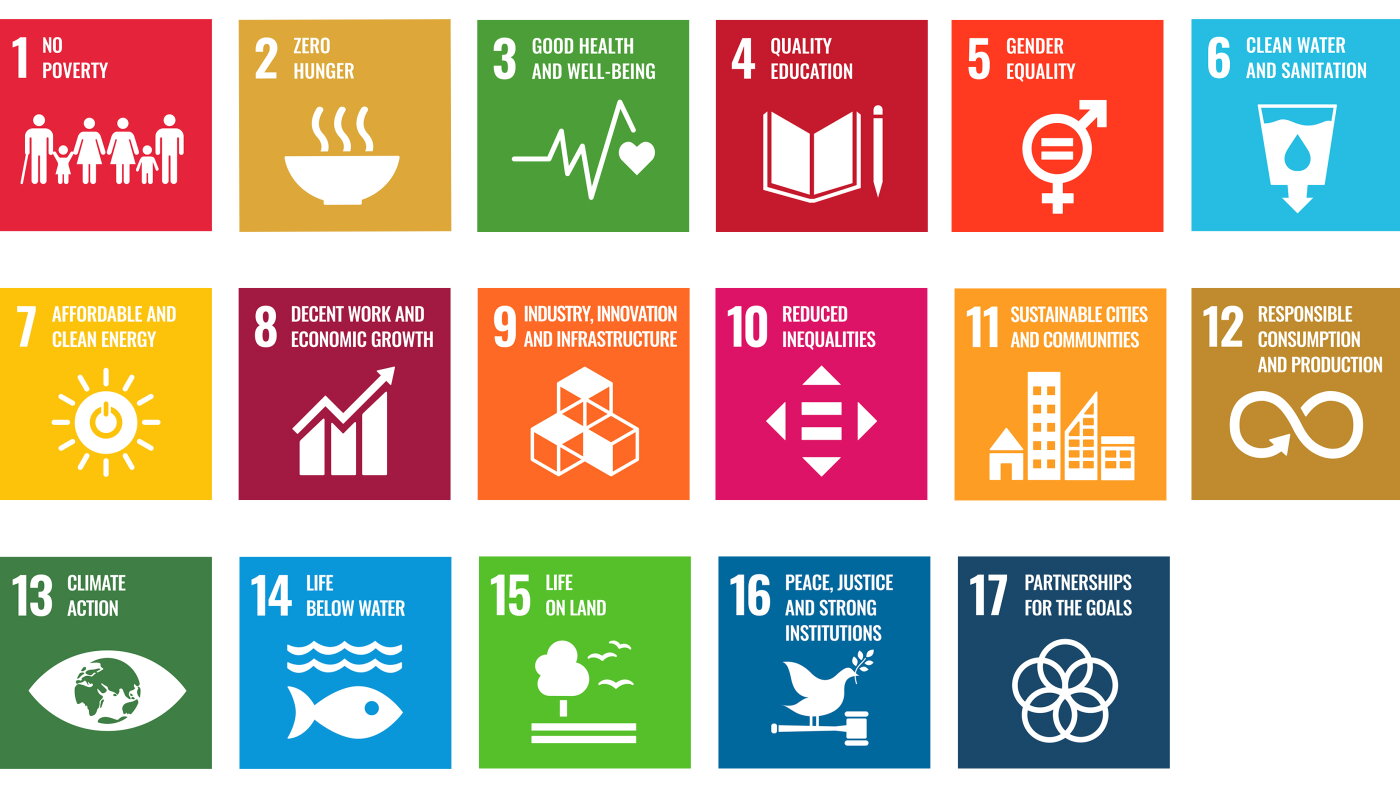
The United Nations established 17 Sustainable Development Goals in September 2015, with 169 specific targets intended to transform the world by 2030. These objectives addressed issues ranging from poverty elimination and hunger eradication to education access and environmental protection. As the 2030 deadline approaches, assessments indicate that the vast majority of these goals will not be met on schedule.
Experts attribute the shortfall to multiple factors. Many goals require rates of progress deemed historically unprecedented, exceeding even the fastest-improving nations’ previous achievements. Charles Kenny, senior fellow at the Center for Global Development, notes that while the goals themselves are not impossible, they would require dramatically different global policy approaches. He points out that wealthy nations could have accelerated progress through increased development aid, expanded trade access, greater private investment in developing countries, and liberalized migration policies. Instead, several of these trends have either plateaued or moved in reverse.
However, significant accomplishments have been recorded in specific domains. Approximately one billion people gained access to safe drinking water since 2015, while 1.2 billion achieved adequate sanitation. Global electricity access reached 92 percent, with 74 percent connected to the internet. New HIV infections declined by 30 percent and AIDS-related deaths by 35 percent. Child mortality continues to decline annually, and life expectancy increases steadily. Gender equality initiatives have demonstrated cascading benefits, including increased school enrollment for girls and reduced child marriage rates.
Global crises have significantly impacted progress toward the goals. The COVID-19 pandemic, regional conflicts causing inflation, supply chain disruptions, and climate change effects have created headwinds. These developments have pushed some individuals back into poverty despite overall gains, complicating the aggregate progress picture.
Experts argue that evaluating the goals solely through numerical metrics may understate their broader influence. The framework has facilitated international partnerships, improved data collection systems, and inspired community-level implementation, particularly evident in designated SDG initiatives like Japan’s Okayama Future City. The goals continue functioning as catalysts for coordinated action among governments, businesses, universities, and nonprofits working toward sustainable development.
Article Attribution | Read More at Article Source
Article summary produced by Claude AI