

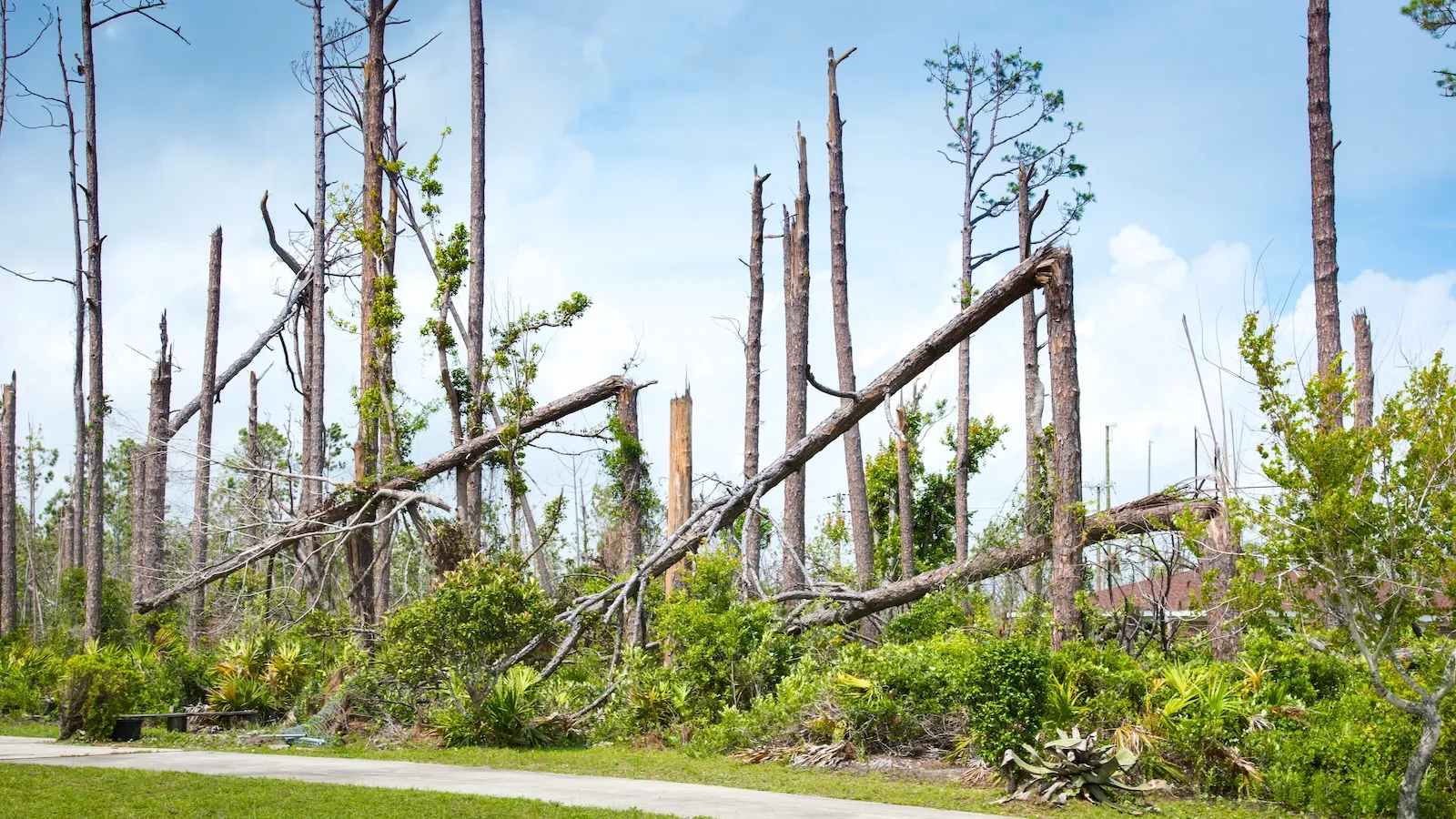
The Emergency Forest Restoration Program, a federal initiative established in 2008 to help private landowners restore forests damaged by natural disasters, has stopped processing new applications due to insufficient funds. The program, administered by the Department of Agriculture’s Farm Service Agency, typically reimburses landowners up to 75 percent of restoration costs, which can include clearing damaged trees, replanting, and managing invasive species. Although Congress appropriated $357 million for the program, with much of that allocation directed toward recovery from the 2024 Atlantic hurricane season, current requests for assistance nationwide now exceed available resources.
In Michigan, hundreds of landowners are particularly affected following a severe ice storm that struck in March 2025, damaging approximately 3 million acres of forest across 12 counties. Around 600 Michigan property owners have submitted applications to the program, with many having completed extensive paperwork, site visits, and restoration planning over several months. The Michigan Department of Natural Resources contracted 25 foresters to conduct assessments and develop restoration plans on behalf of federal officials. Despite these efforts, applicants have faced significant delays and reported minimal communication from federal agencies about approval timelines.
The funding shortfall reflects the program’s broader challenge in keeping pace with disaster-driven demand. The Farm Service Agency has received applications from landowners affected by hurricanes in Eastern states, southern pine beetle infestations in Georgia, flooding in Hawai’i, and a windstorm in Minnesota, all competing for the same limited pool of resources. Foresters and landowners have expressed concern about the delays, noting that restoration work can involve substantial costs and that timely intervention is critical for preventing fire risks and promoting forest health.
Some landowners have opted to begin restoration work at their own expense rather than wait for federal approval, while others have postponed projects pending official clearance. The Farm Service Agency has stated that work undertaken before federal approval will not be reimbursed. Experts have emphasized the importance of adequate funding for forest recovery programs as climate change increases the frequency and severity of weather events that damage forests.
Article Attribution | Read More at Article Source
Article summary produced by Claude AI