

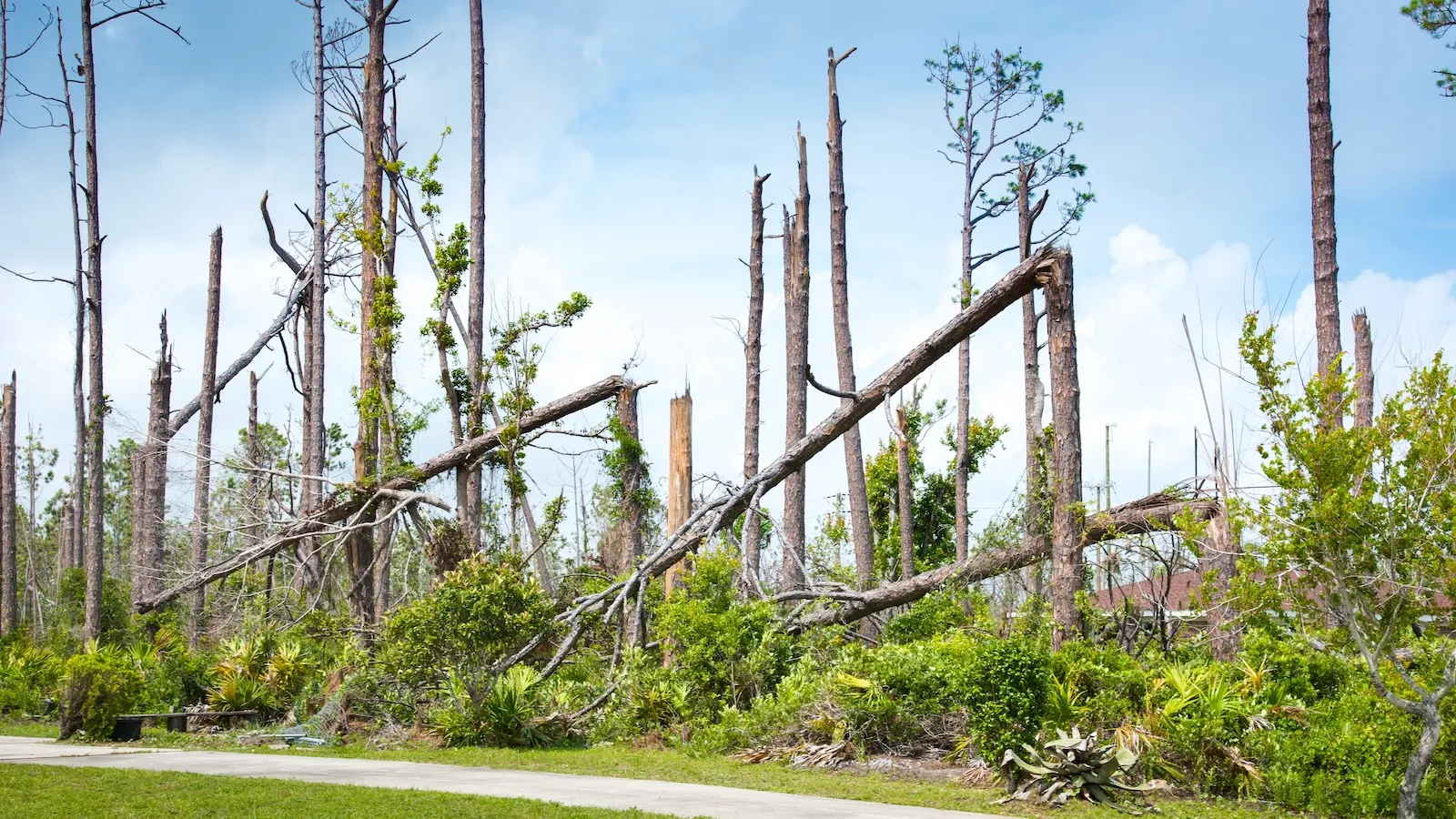
The Emergency Forest Restoration Program, established by Congress in 2008 as part of the Farm Bill, has ceased providing financial assistance to landowners due to insufficient funds to meet demand. The USDA confirmed that requests for aid through the program now exceed available resources. Congress last appropriated $357 million for the initiative, with much of that amount designated for landowners affected by damage from the 2024 Atlantic hurricane season and subsequent natural disasters.
In Michigan, approximately 600 landowners are currently in the application process for the program following a severe ice storm in March 2025 that damaged roughly 3 million acres of forest across 12 counties. The program, administered by the Farm Service Agency, typically reimburses private property owners up to 75 percent of restoration costs, with eligible work including debris removal, replanting, and invasive species management. Landowners in the state began applying for assistance in May 2025, but the program rollout has been marked by delays and communication challenges, according to affected parties.
The EFRP program represents one of few federal funding sources available to private landowners for forest recovery following disasters. Michigan’s forest industry, which spans wood products, tourism, and recreation, contributes billions annually to the state economy. Foresters and landowners have expressed frustration with the prolonged application process and lack of fund availability, particularly given the scale of damage in northern Michigan.
The FSA noted that landowners may proceed with restoration work at their own expense prior to federal approval, though financial assistance cannot be guaranteed. Foresters working on site assessments reported a steep learning curve, as the FSA typically handles agricultural programs rather than hardwood forest management. The program has also received applications from affected areas in Eastern states, Georgia, Hawai’i, and Minnesota, with applications in Minnesota similarly not being approved due to funding constraints.
Article Attribution | Read More at Article Source
Article summary produced by Claude AI