

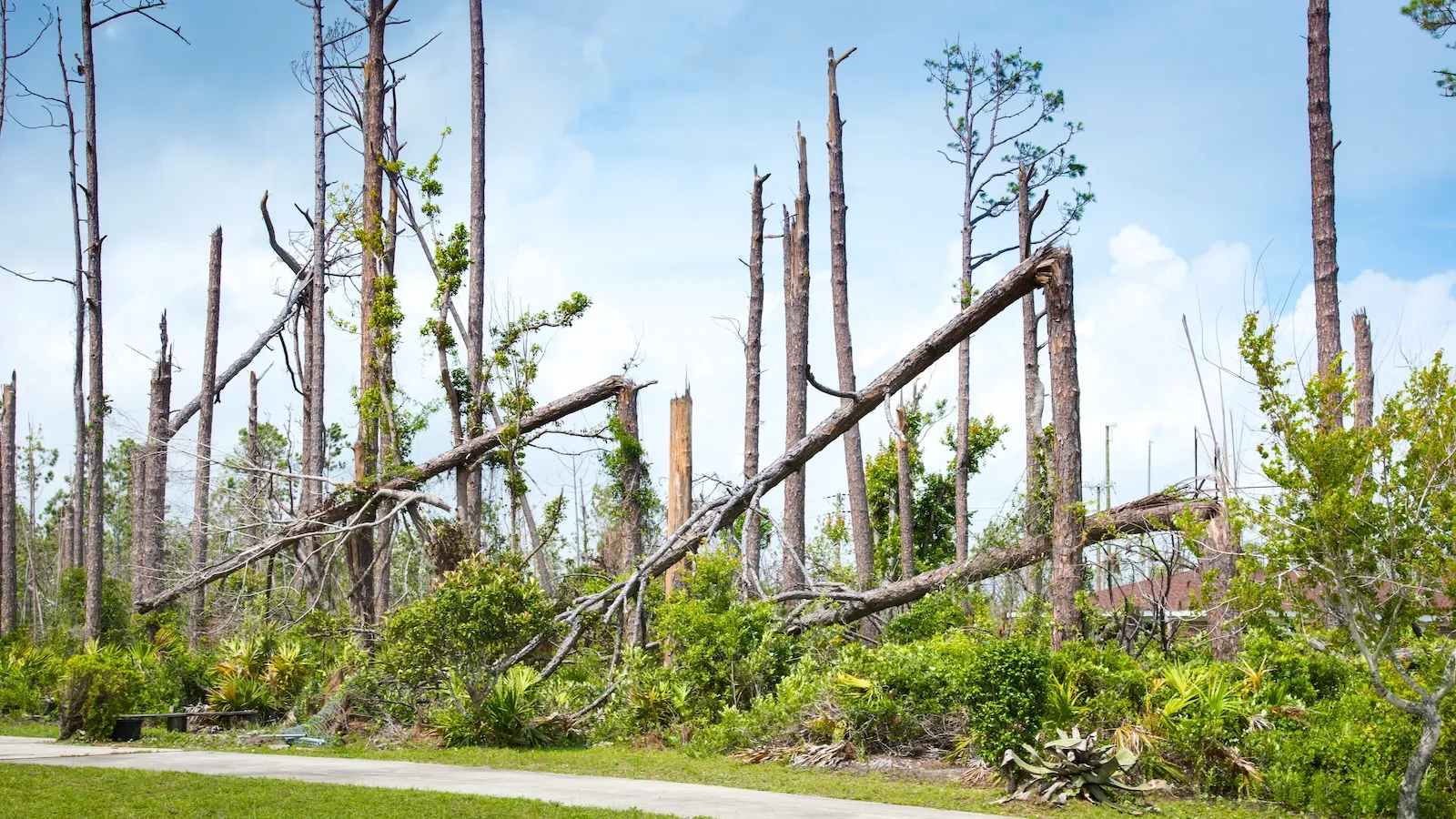
The Emergency Forest Restoration Program, a federal initiative created by Congress in 2008 to aid private landowners in restoring forests damaged by disasters, has exhausted its current funding allocation. According to the U.S. Department of Agriculture, which houses the Farm Service Agency that administers the program, requests for financial assistance now exceed available resources. Congress most recently appropriated $357 million for the initiative, with much of that funding designated for landowners affected by the 2024 Atlantic hurricane season and other regional disasters.
In Michigan, property owners whose forests sustained damage from a severe ice storm in March 2025 have been particularly impacted by funding constraints. That weather event damaged approximately 3 million acres across 12 counties in the state, with recovery estimates for state-managed lands alone reaching approximately $14 million. Around 600 Michigan landowners currently have applications pending with the Farm Service Agency, with roughly 25 contracted foresters having completed site assessments and restoration plans for federal review. However, no approvals or reimbursements have been issued as funding has been depleted.
The program typically reimburses eligible private landowners up to 75 percent of restoration costs, which can include clearing damaged trees to reduce fire risk, replanting efforts, and managing invasive species. Landowners in other states including Minnesota, Georgia, and Hawai’i also report that their EFRP applications remain unapproved due to insufficient funding. Some Michigan property owners have begun restoration work at their own expense, while others have delayed critical efforts pending federal approval, given that restoration projects can cost hundreds of thousands of dollars.
Forestry professionals and affected landowners have expressed frustration with processing delays and the limited federal assistance available for private forest recovery. Experts have emphasized the importance of such funding mechanisms as climate change increases the frequency and severity of weather events that damage forests. The state’s forest industry, encompassing timber production, tourism, and recreation, contributes billions annually to Michigan’s economy, making the restoration of damaged woodlands significant for regional economic recovery.
Article Attribution | Read More at Article Source
Article summary produced by Claude AI