

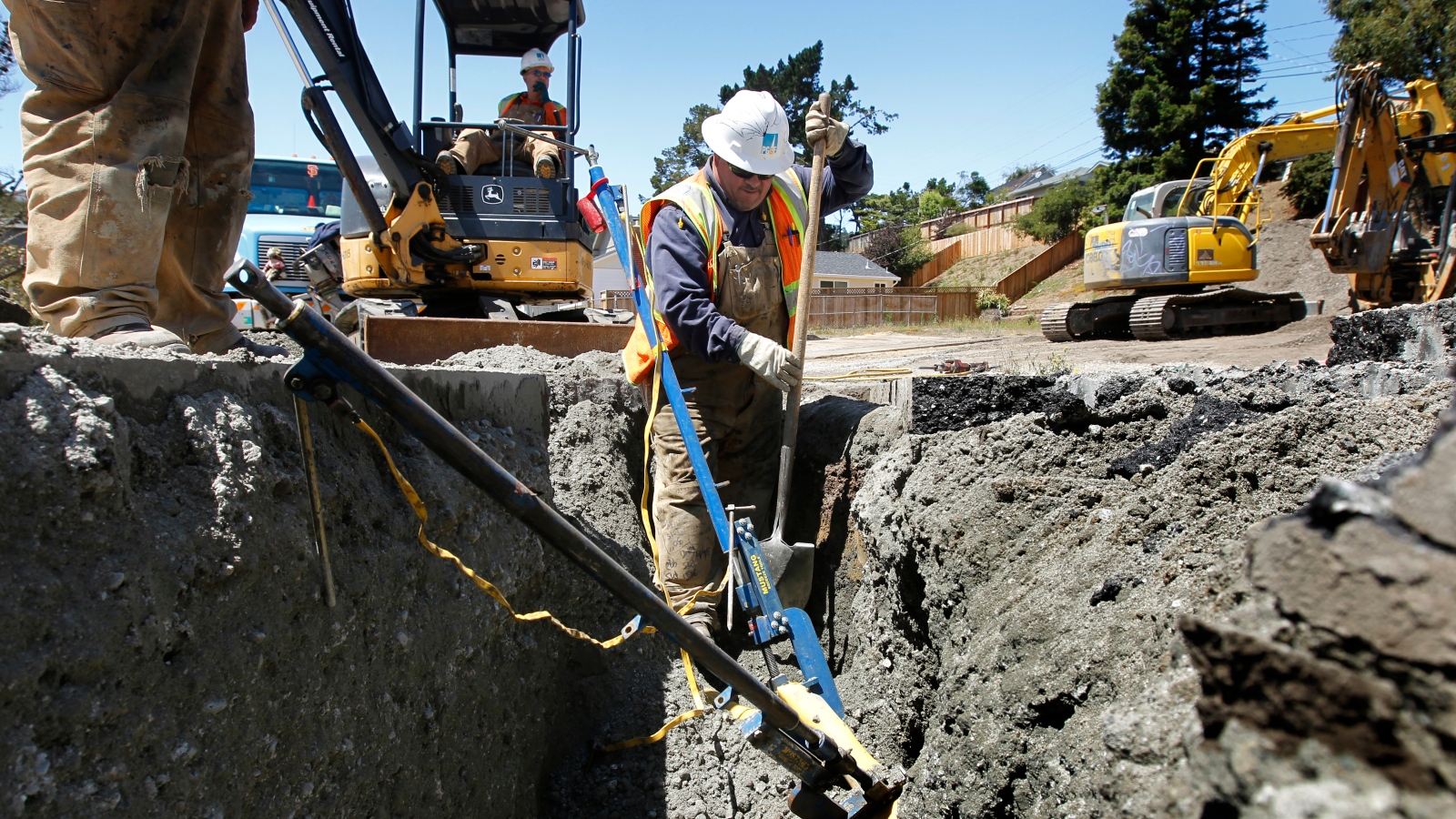
Pacific Gas and Electric and other California utilities have historically replaced aging gas service lines automatically, with costs spread across all ratepayers over decades. One Berkeley resident faced this situation when PG&E replaced her service line despite her plan to eliminate gas appliances entirely, resulting in unused infrastructure that neighboring customers would fund for approximately 50 years.
New legislation, Assembly Bill 2313 (the Home Energy Choice Act), will require California utilities to offer households an alternative when service lines require replacement. Instead of automatically upgrading infrastructure, utilities must provide financial incentives to help customers transition to all-electric systems such as heat pumps, induction ranges, and electric water heaters. The incentive amount will be set below the cost of line replacement, generating savings that benefit all gas customers.
Analysis by the Natural Resources Defense Council indicates that offering 1,000 households approximately $17,500 each to electrify would produce $20 million in total savings compared to replacing their service lines. Given that PG&E replaces roughly 15,000 lines annually, similar programs nationwide could generate substantial customer savings. The legislation aligns with California’s target of achieving a carbon-neutral economy by 2045.
The law faced opposition from San Diego Gas and Electric and SoCalGas, who argued the approach would unfairly shift costs to remaining gas customers. Supporters countered that residents electrifying at replacement time actually reduce costs for others by eliminating future infrastructure investment. The final version includes provisions capping programs at 1% of utility customers and expiring on January 1, 2035, though renewal is possible.
California becomes the third jurisdiction adopting this model, following initiatives in New York and Colorado. The Public Utilities Commission must now develop implementation frameworks, with utilities required to propose individual programs by January 1, 2028. Additional states including Illinois, Maryland, Minnesota, Oregon, and Washington are reportedly considering similar legislation.
Article Attribution | Read More at Article Source
Article summary produced by Claude AI