

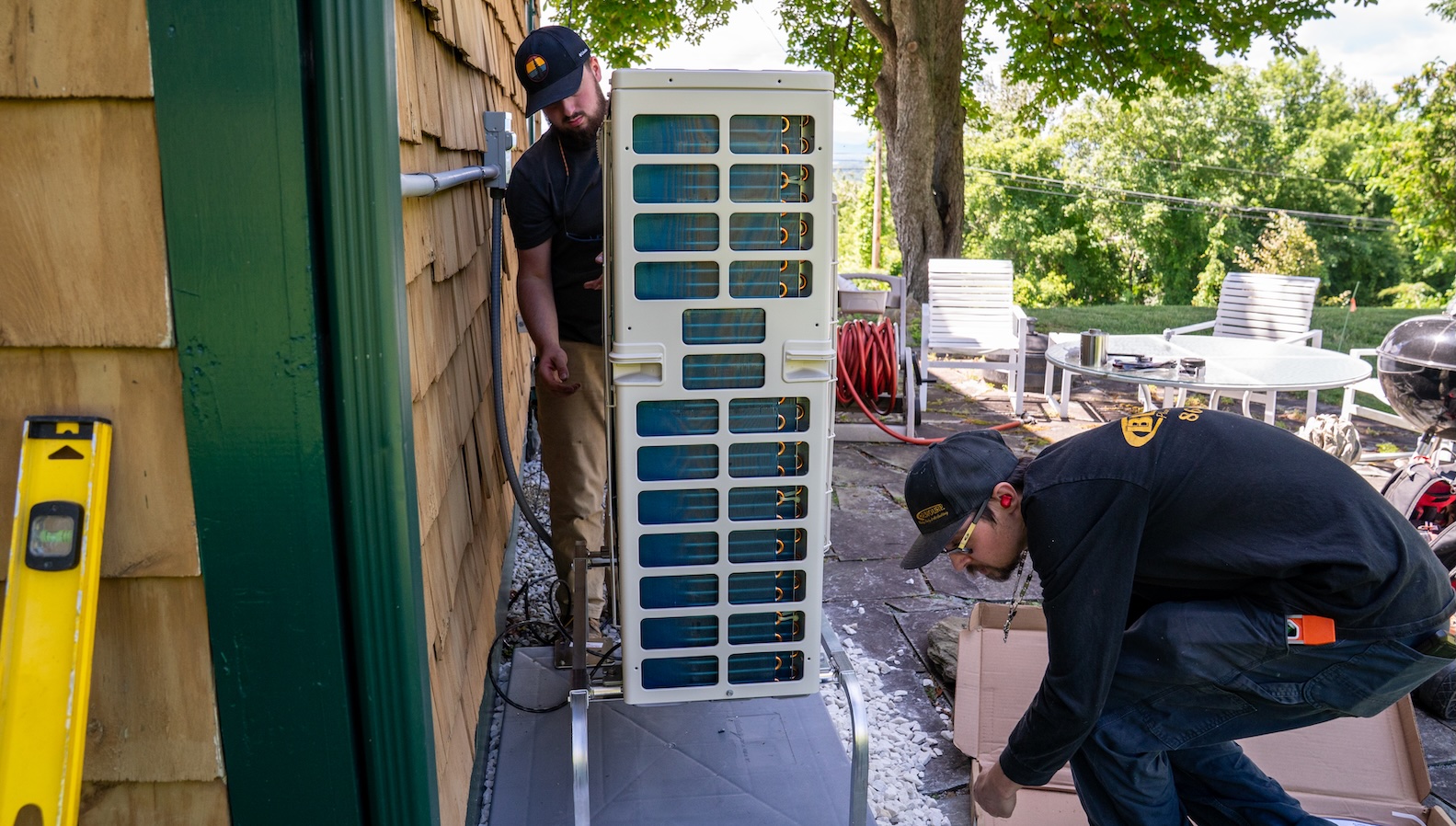
A recent analysis from energy research organization RMI challenges concerns about widespread heat pump adoption overwhelming the nation’s electrical infrastructure. The report indicates that approximately 109 million American homes—roughly 75 percent of the residential market—could transition to heat pump technology without creating grid reliability problems.
The key to this possibility lies in what researchers term “grid headroom” during winter months. Currently, electricity demand peaks in summer when air conditioning systems consume substantial power. During winter, many households rely on gas furnaces for heating, reducing strain on the electrical grid. This seasonal variation creates available capacity during colder months that could support increased electrical loads from heat pumps without requiring significant grid expansion or additional power generation infrastructure.
Ryan Shea, a manager with RMI’s buildings team, explained that transitioning to heat pumps would allow better utilization of existing grid capacity while distributing costs across more kilowatt-hours, potentially lowering electricity rates for all consumers. However, the feasibility of this transition varies by region due to differences in climate patterns and local electricity generation methods. Areas with heavy summer cooling demands like Phoenix face different considerations than cooler regions such as Boston. Additionally, the increasing integration of renewable energy sources and battery storage systems into grid infrastructure enhances flexibility and reliability regardless of season.
Beyond grid capacity, heat pumps offer efficiency advantages over existing heating methods. They operate roughly three to four times more efficiently than electric resistance heating systems common in the Pacific Northwest and Southeast, potentially saving households approximately $1,530 annually. Industry experts recommend accelerating adoption through targeted strategies including rebate programs, replacement of failed air conditioning units with heat pump systems, and residential construction initiatives that naturally incorporate the technology.
Maine’s experience demonstrates the feasibility of rapid deployment, having surpassed its goal of installing 100,000 heat pumps ahead of schedule. Proponents suggest that positioning heat pumps within affordability-focused policy frameworks could contribute to their mainstream adoption while delivering both environmental and economic benefits.
Article Attribution | Read More at Article Source
Article summary produced by Claude AI