

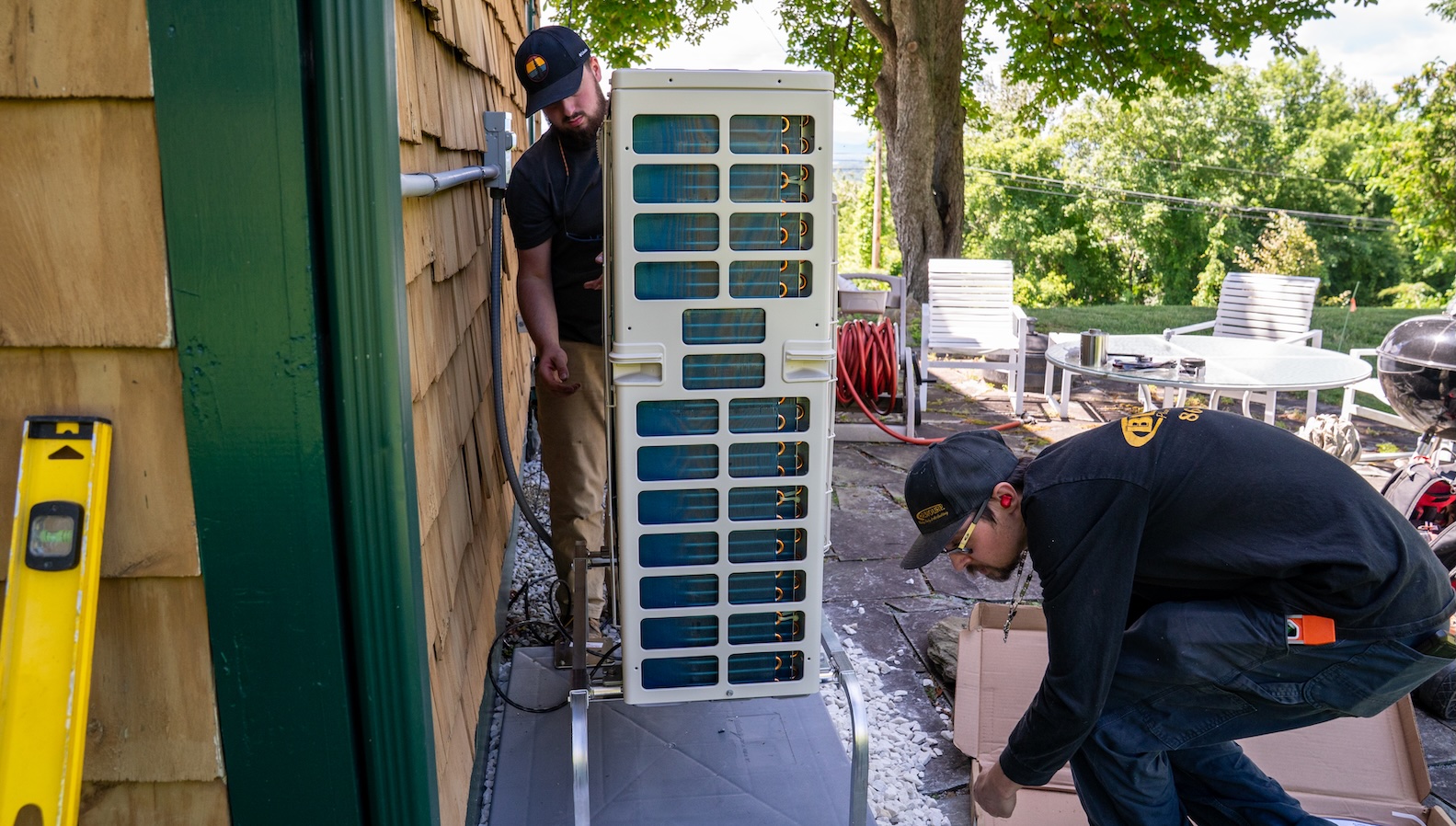
A recent analysis by the Rocky Mountain Institute challenges concerns about widespread heat pump adoption straining the nation’s power infrastructure. The report indicates that three-quarters of American households could transition to heat pump technology without grid complications, with the potential to substantially lower greenhouse gas emissions and reduce electricity costs by more than 20 percent in certain states.
The key to accommodating this expansion lies in what experts term “headroom” within the electrical grid during winter months. Electricity demand typically peaks during summer when air conditioning systems consume substantial power. Conversely, winter demand is lower because many households rely on gas furnaces for heating, drawing energy from alternative sources and creating unused grid capacity. This seasonal disparity provides an opportunity to shift heating loads to periods when the grid has surplus generation capability, thereby maximizing existing infrastructure without requiring significant new power plant construction.
However, this available capacity varies geographically based on climate patterns and local energy generation methods. Regions with hotter summers and milder winters, such as Phoenix, face different constraints than cooler areas like Boston. Additionally, the growing integration of renewable energy sources, particularly solar installations, affects winter generation capacity since shorter daylight hours reduce output. Utilities are increasingly deploying battery storage systems and exploring electric vehicles as distributed backup power sources to address these fluctuations.
Heat pumps offer substantial efficiency gains compared to alternative heating methods. They operate three to four times more efficiently than electric resistance heaters, which remain prevalent in the Pacific Northwest and Southeast. Households transitioning from resistance heating could save approximately $1,530 annually. State-level incentives and strategic planning have already demonstrated success in accelerating adoption, with Maine exceeding its installation targets two years ahead of schedule.
Experts recommend accelerating the transition through multiple mechanisms, including mandatory heat pump installation when air conditioning units require replacement, state rebates, and integration of heat pump deployment into affordability initiatives. Increased residential construction could also facilitate broader adoption by incorporating the technology into new housing units, addressing both the heating transition and the housing shortage simultaneously.
Article Attribution | Read More at Article Source
Article summary produced by Claude AI