

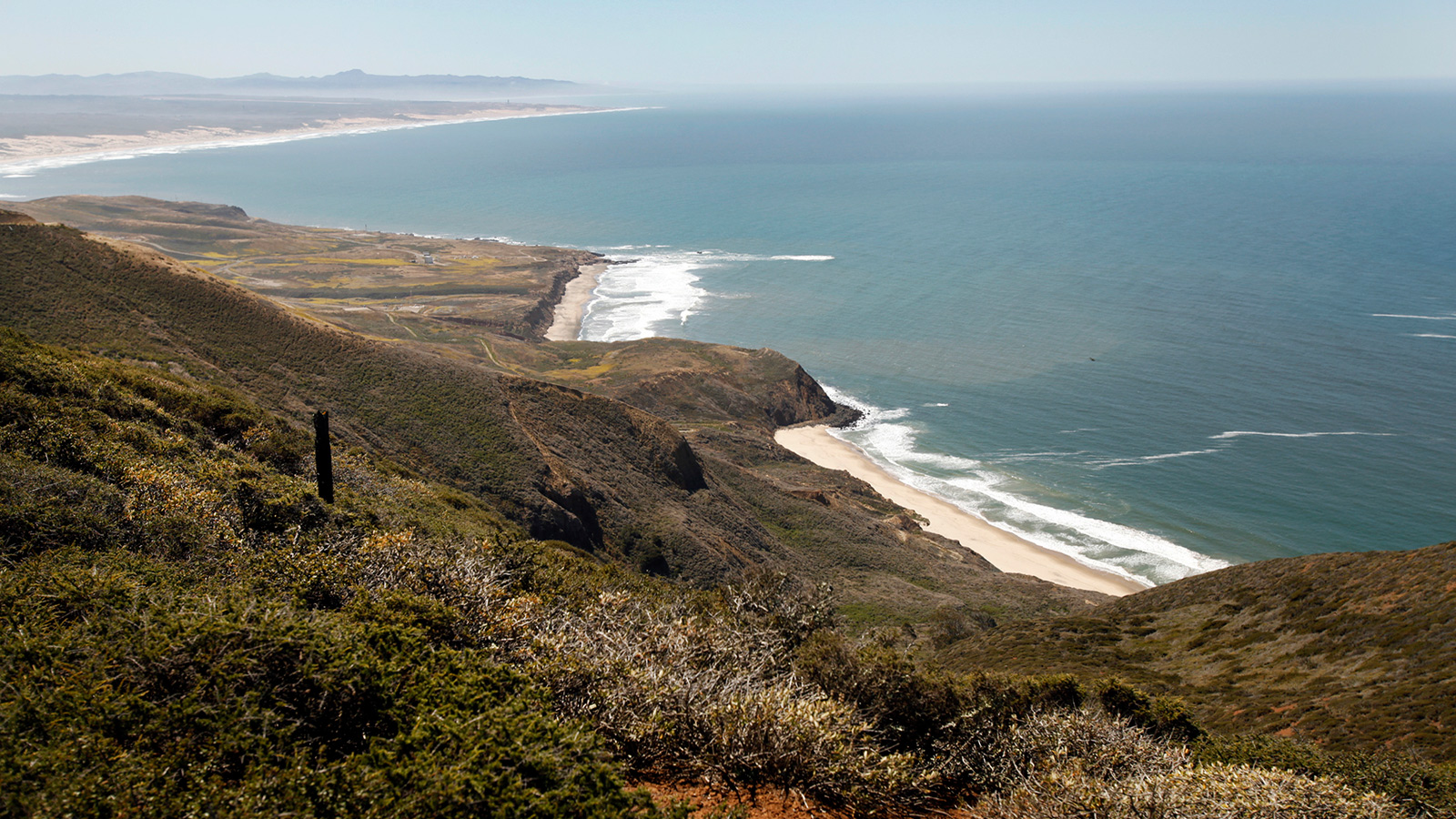
California state officials are undertaking a comprehensive review of the marine protected areas network, marking the first such evaluation in 15 years. The initiative presents an opportunity to create new protected zones and expand existing ones around the state’s waters. Marine protected areas function as conservation zones where restrictions on activities such as fishing, oil and gas drilling, and seafloor disturbances are implemented to preserve marine ecosystems and allow damaged habitats to recover. Research indicates that in areas where such disturbances are removed, marine populations become more abundant and ecosystems become healthier.
Among the proposals being considered are two new sites on California’s Central Coast: Point Sal and Mishopshno State Marine Conservation Areas. Both proposals are notable for being co-sponsored by California Tribes in collaboration with environmental organizations, representing a first for the state’s MPA network. The Point Sal proposal encompasses roughly nine square miles off the Santa Barbara County coast and includes habitat critical for fish larvae development, as well as gathering areas for seals, sea lions, and seabirds. The Mishopshno proposal protects a rocky reef system near Carpinteria that supports an extensive kelp forest and serves as nursery habitat for various fish species and juvenile sharks.
A significant aspect of the current review involves formalizing Tribal involvement in ocean stewardship. California’s existing MPAs do not currently have formal Tribal co-management systems, despite Indigenous peoples having stewarded the Central Coast’s lands and waters for over 10,000 years. Tribal representatives have indicated that establishing clearer pathways for coastal Tribes to participate in ocean management, including access for cultural practices, is essential to comprehensive marine stewardship and climate resilience efforts.
These proposals build on the success of marine protections established beginning in 2003 around the Channel Islands, which created roughly 150 square miles of protected waters. These protections have enabled the recovery of kelp forests and populations of iconic species including kelp bass, rockfish, and leopard sharks. The current review represents what conservation experts describe as a historic opportunity to expand and strengthen California’s marine conservation framework.
Article Attribution | Read More at Article Source
Article summary produced by Claude AI