

California state officials are undertaking a historic review of the state’s marine protected areas network, the first comprehensive assessment in 15 years. The effort comes as the Channel Islands region has demonstrated the effectiveness of marine conservation measures implemented beginning in 2003, when roughly 150 square miles of protected waters were established around the islands. These zones have functioned as underwater preserves, supporting thriving populations of kelp forests, fish species, and marine mammals that had been depleted during the era of intensive commercial fishing.
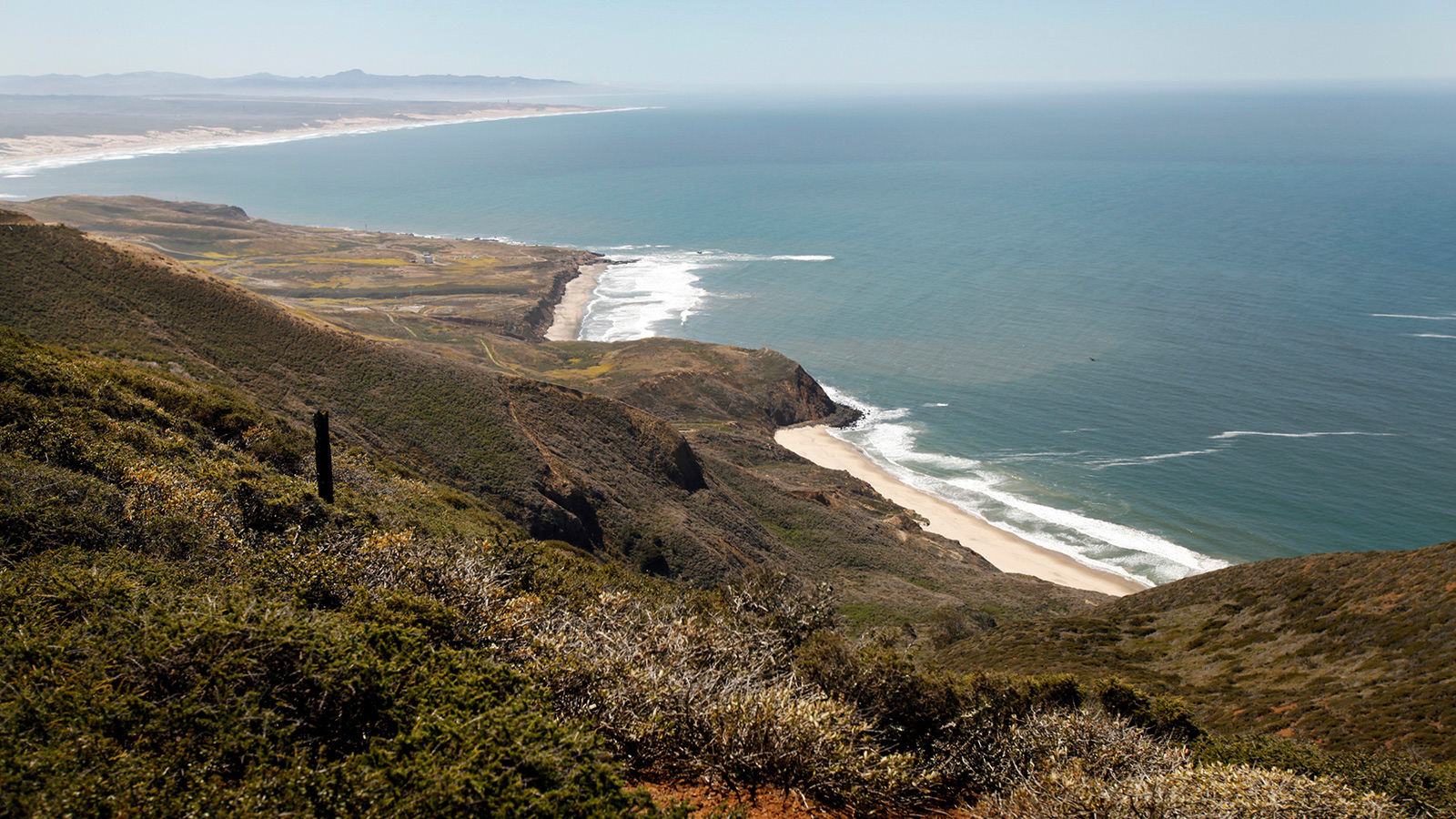
Among the proposals under consideration are two new protected areas on the Central Coast: Point Sal and Mishopshno State Marine Conservation Areas. These proposals represent a significant departure from California’s existing MPA framework, as they are co-sponsored by California Tribes in collaboration with environmental organizations. Point Sal, located off the Santa Barbara County coast, encompasses approximately nine square miles and provides critical habitat for marine life including seals, sea lions, seabirds, fish larvae, and sea otters. The area also holds deep cultural significance for the Northern Chumash Tribal Council, which has stewarded the region for thousands of years.
The Mishopshno proposal, sponsored by the Santa Ynez Band of Chumash Indians along with environmental organizations, would protect habitat near Carpinteria featuring a rocky reef system with a kelp forest and connected sandy-bottom and marsh areas. These habitats support diverse marine species including bat rays, juvenile white sharks, and large fish populations. Marine researchers who have documented conditions in the area have recorded both thriving ecosystems and documented instances of illegal fishing and wildlife harassment.
A notable aspect of the current MPA review is the formal recognition of Tribal stewardship roles in ocean management. California’s existing marine protected areas lack formal Tribal co-management systems despite Indigenous peoples having managed Central Coast waters for over 10,000 years. Tribal leaders are advocating for clearer pathways to participate in ocean stewardship, including access for cultural practices and management roles. Successful marine protected areas established elsewhere, such as Cabo Pulmo in Baja California, have demonstrated that such zones can support thriving and stable marine ecosystems when properly managed and protected from harmful activities.
Article Attribution | Read More at Article Source
Article summary produced by Claude AI