

California officials are undertaking a comprehensive review of the state’s marine protected areas (MPAs) network, marking the first such assessment in 15 years. The initiative is examining proposals to establish new protected zones and expand existing ones, with particular focus on areas surrounding the Channel Islands and along the Central Coast.
Marine protected areas function as underwater conservation zones where commercial fishing, oil and gas drilling, and other seafloor disturbances are restricted to preserve ecosystems and allow damaged habitats to recover. The Channel Islands already contain approximately 150 square miles of protected waters designated beginning in 2003, which have helped restore marine populations including kelp bass, rockfish, leopard sharks, and other species. According to marine science experts, protected waters typically support larger fish populations, greater wildlife abundance, and healthier overall habitats compared to unprotected areas.
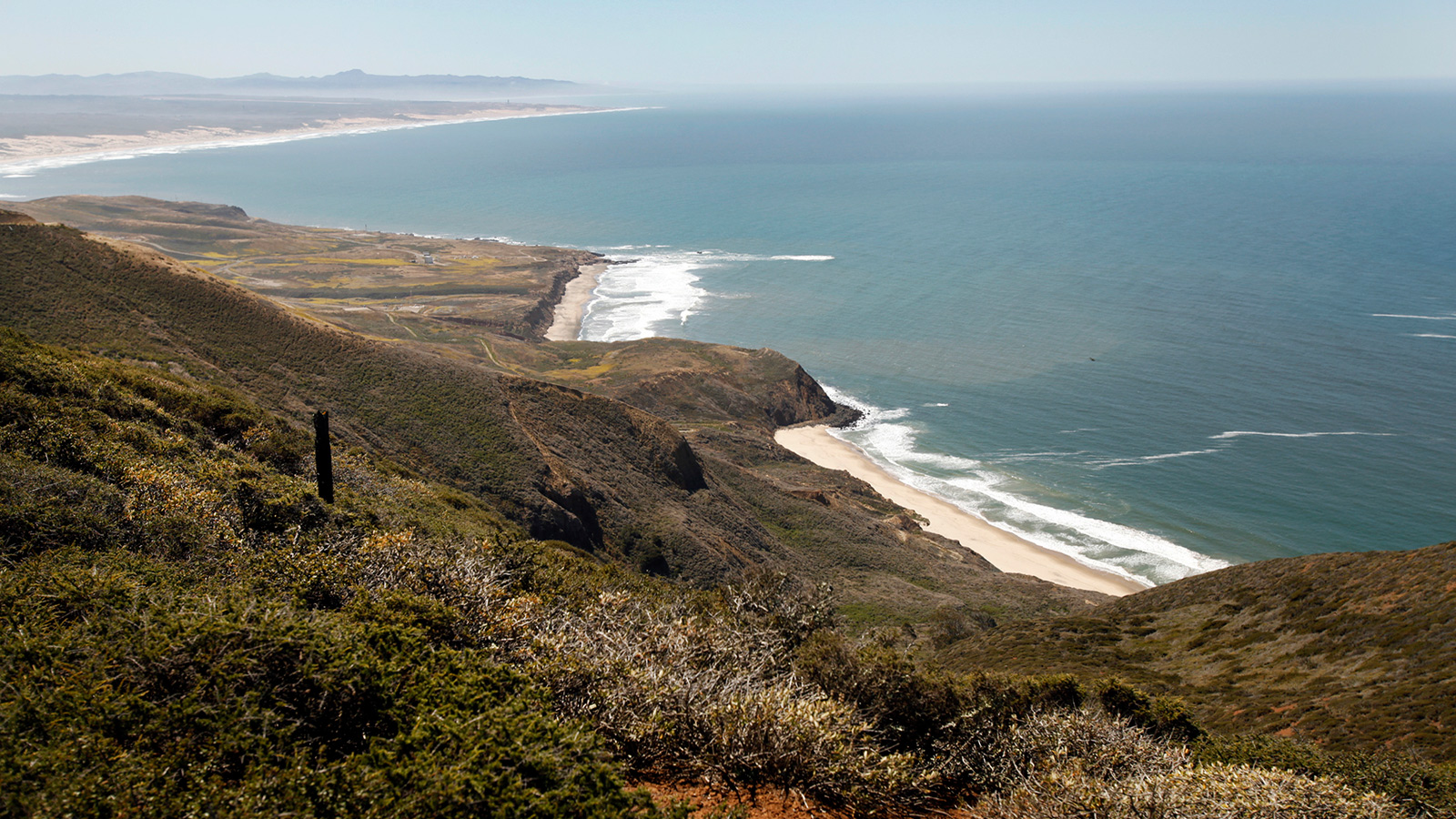
Among the current proposals are two new state marine conservation areas on the Central Coast: Point Sal and Mishopshno. The Point Sal proposal encompasses roughly nine square miles off the Santa Barbara County coast and features unique habitat conditions where fish larvae can mature safely. The area also hosts significant populations of seals, sea lions, and seabirds, with over 880 sea lions documented in a single day. The Mishopshno proposal protects waters near Carpinteria containing a 1.6-mile rocky reef supporting an enduring kelp forest and various marine nursery habitats.
A distinctive aspect of the current review involves Tribal leadership in MPA management. Both Point Sal and Mishopshno proposals represent the first California MPA additions formally co-sponsored by California Tribes in partnership with conservation organizations. The Northern Chumash Tribal Council and Santa Ynez Band of Chumash Indians have led these efforts alongside environmental nonprofits. Tribal representatives emphasize the historical and cultural significance of these coastal areas, noting that Chumash peoples stewarded these waters for over 10,000 years and seek expanded participation in ongoing ocean stewardship and management decisions.
Article Attribution | Read More at Article Source
Article summary produced by Claude AI