

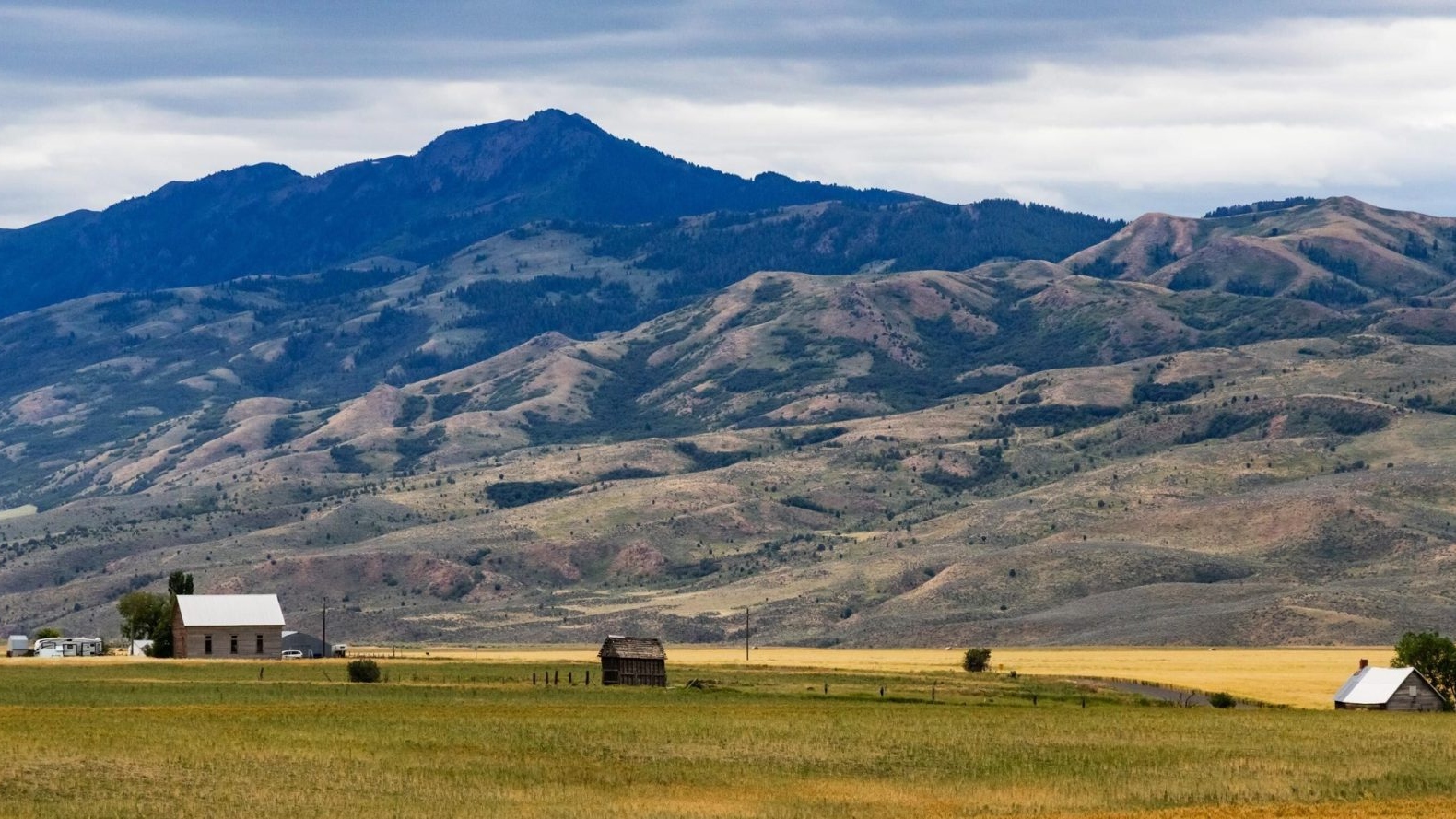
Bannock County commissioners in Idaho are preparing to vote on an ordinance that would reverse a ban on utility-scale solar and wind energy development enacted in March 2024. The proposed new language would permit solar, wind, and nuclear energy projects in the county, marking a significant shift in local policy.
The initial ban originated from concerns about large-scale energy development. In 2023, county commissioners became worried after hearing about the Lava Ridge Wind Project, a major development on federal land that generated debate among Idaho county leaders. Spearheaded by then-commissioner Jeff Hough, the county voted unanimously to implement a six-month moratorium on large-scale energy projects to allow time for proper regulation. However, when the moratorium came up for renewal in March 2024, a revised ordinance banning solar and wind development passed on a 2-1 vote, with Hough as the sole dissenter.
Hough, who has since become chair of the county commission, has worked to overturn the ban. He argues that reversing the prohibition would support property rights and provide economic benefits to the rural community. Bannock County, located north of Salt Lake City and near the critical Populus substation, is strategically positioned for energy development. Neighboring Power and Bingham counties generated substantial tax revenue from renewable projects in 2024, demonstrating potential economic gains.
The county faces growing electricity demand and economic challenges. Idaho Power projects a 26 percent increase in electricity demand by 2030, while Bannock County’s population growth lags behind the state average. Rural communities in the area are experiencing declining services and agricultural pressures from drought, making economic development opportunities attractive to some residents.
Opposition to the reversal remains significant, particularly in south Bannock County. While some residents support leasing land to solar developers or defend neighbors’ property rights, others view such arrangements skeptically and see them as harmful to rural character. However, nuclear energy development appears to have broader support among skeptics of solar and wind projects. The county’s decision will test whether communities can reconsider previous stances on clean energy development amid changing economic and energy needs.
Article Attribution | Read More at Article Source
Article summary produced by Claude AI