

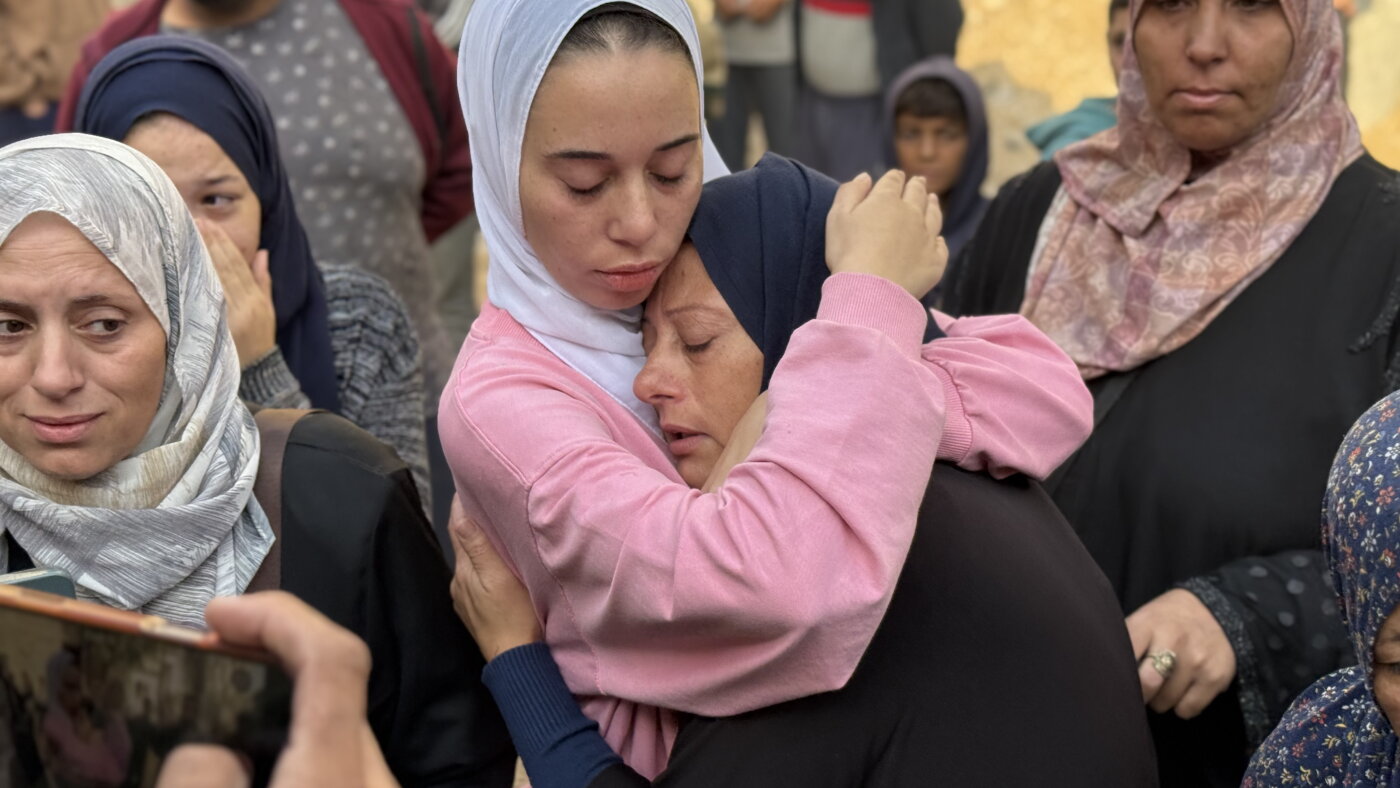
One year into a ceasefire agreement that took effect in October 2025, the situation in Gaza remains complex and contested. President Trump had facilitated the ceasefire by pressuring Israel to agree to terms and Hamas to release remaining Israeli hostages. However, the anticipated outcomes described in the initial agreement have not fully materialized.
Israeli military operations have continued throughout the ceasefire period, though at a reduced frequency compared to earlier phases of the conflict. Military strikes have resulted in over 1,400 Palestinian deaths in the year following the ceasefire’s implementation, with women and children comprising nearly 500 of those casualties according to Gaza’s Health Ministry. Additionally, Israel’s military presence has expanded significantly, with forces now controlling approximately 70% of Gaza’s territory. The expanded control has compressed the Palestinian population toward coastal areas, with more than 2 million people squeezed into increasingly limited space.
The promised elements of the agreement—an international peacekeeping force and reconstruction efforts—remain absent after a year. Despite these challenges, the reduced pace of military operations has provided some relief to Gaza’s civilian population. A United Nations-backed assessment had declared famine conditions in Gaza’s northern regions, but the slower bombing rate has allowed humanitarian aid to enter more consistently, gradually reversing widespread starvation. Food supplies have resumed appearing in markets and aid distribution has increased.
Conditions on the ground reflect mixed circumstances for civilians. While some aid organizations have faced restrictions, with Israel banning over 40 international aid groups at one point, basic humanitarian access has improved compared to earlier phases. Housing remains severely compromised, with roughly 1.5 million people living in makeshift tents after Israeli airstrikes destroyed most buildings. Winter weather has made these shelters increasingly inadequate, with families reporting freezing and damp conditions. Despite widespread hardship, some signs of normalcy have emerged, including religious observances and community gathering.
Article Attribution | Read More at Article Source
Article summary produced by Claude AI