

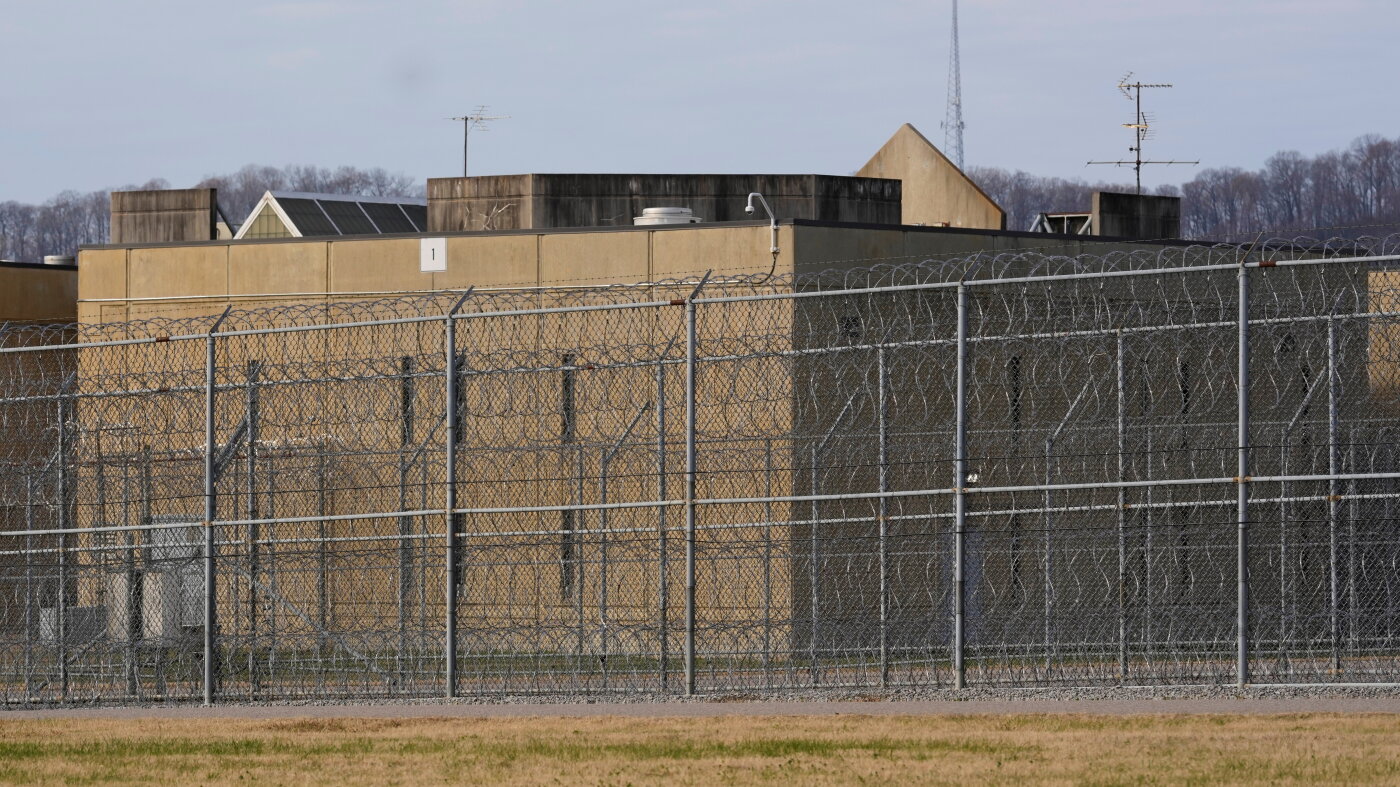
In May, medical personnel at Riverbend Maximum Security Institution in Nashville spent approximately one hour attempting to establish intravenous access for the lethal injection of death row inmate Tony Carruthers. According to an attorney present during the procedure, workers repeatedly inserted needles into his arms and feet without success. A physician then attempted to place a central line through the collarbone and shoulder area, which also proved unsuccessful. The inmate experienced pain and bleeding from multiple puncture wounds before the governor ordered the procedure halted and subsequently granted a one-year reprieve.
Following the failed execution attempt, medical professionals have raised concerns about Tennessee’s execution protocols. More than 40 doctors and nurses submitted a letter to the governor calling for a pause on executions and a redesign of procedures that would exclude healthcare workers from participation. The medical professionals argued that involving physicians, nurses, and pharmacists in executions conflicts with established medical ethics guidelines, including standards set by the American Medical Association, which prohibits doctors from participating in capital punishment.
Doctors have specifically critiqued the decision to use a central line placement procedure during an execution. The technique involves inserting a tube into a major vessel and is considered a quasi-surgical procedure with significant risks, including potential lung collapse or severe bleeding. Medical experts noted that only practitioners with specialized training and regular experience should attempt such procedures. The physician who attempted the central line in Carruthers’ case had not performed such a procedure in 12 years.
Tennessee is among 27 states where capital punishment remains legal. Lethal injection continues as the primary execution method nationwide, though some states employ alternative methods. Since 2020, six states have experienced botched lethal injections, defined as executions involving unanticipated complications that cause greater suffering than intended. In addition to healthcare workers’ objections, nine Republican state lawmakers have joined in requesting an execution moratorium and protocol reforms. A lawsuit challenging the state’s media witness viewing procedures has also been filed, citing lack of transparency during the IV placement process.
Article Attribution | Read More at Article Source
Article summary produced by Claude AI