

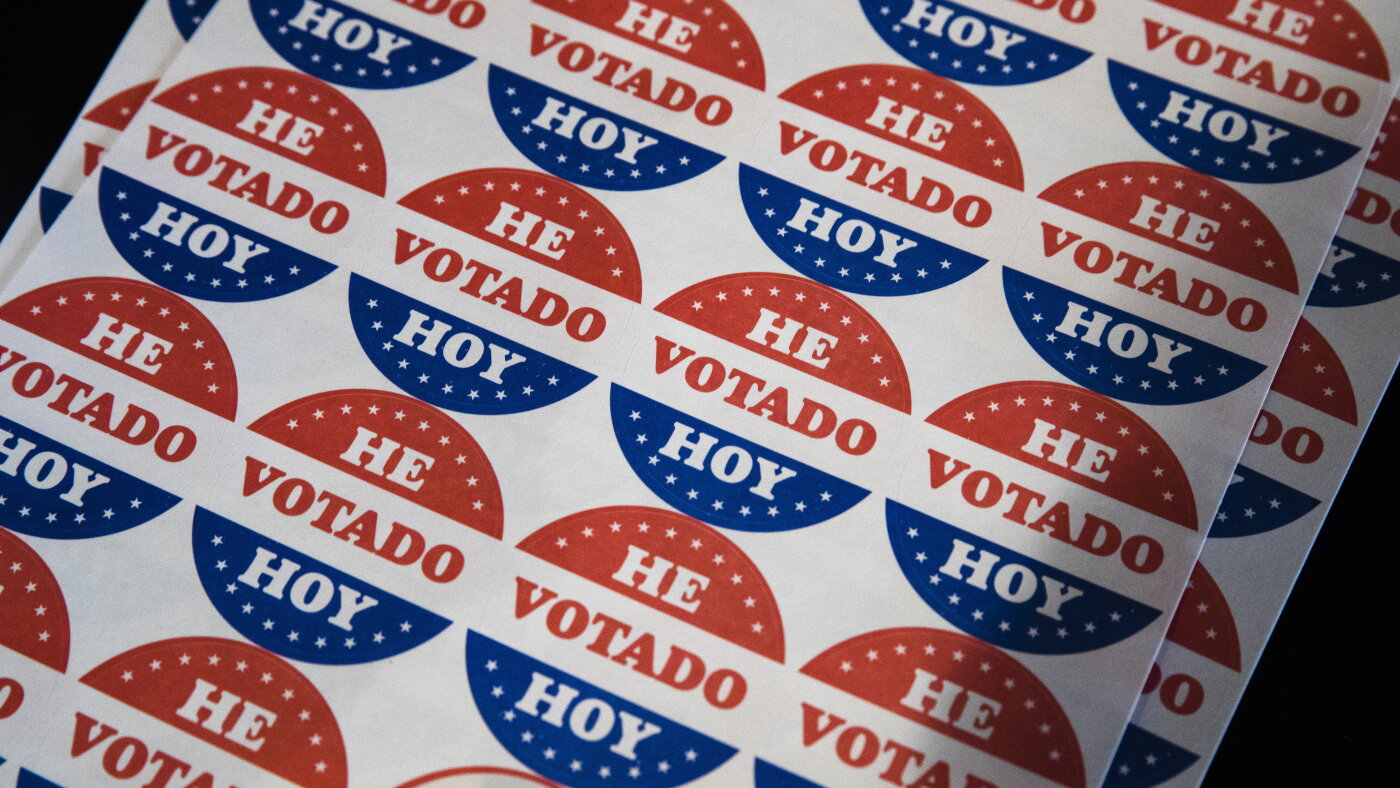
The Democratic Party is implementing a new strategy to regain support from Latino voters following losses in the 2024 elections. The party’s position within this demographic has weakened considerably, with presidential support dropping from a 25-point advantage in 2020 to just three points in 2024, according to data from the Pew Research Center. Party leaders recognize that the outcome in swing districts with substantial Hispanic populations could prove decisive in determining House control.
The Congressional Hispanic Caucus campaign arm, known as BOLD PAC, launched an initiative in February designed to connect social media influencers with voters in targeted communities. Rather than compensating creators for specific posts, the program provides travel stipends of $1,500 per event to support their participation in grassroots activities. Content creators participating in the effort, including Arizona-based Alexa Flores and Texas influencer Solangie Hernandez Hollowell, are crafting messaging around issues such as immigration, taxes, and economic policies while maintaining authenticity in their communications.
Research indicates that influencer-driven content reaches a significant portion of Latino voters, with approximately 30 percent of Latinos regularly obtaining news from social media influencers—a higher rate than any other demographic group. This reliance on platforms including Instagram, YouTube, and TikTok makes these spaces strategically important for Democratic messaging efforts.
Democratic strategists caution that reversing the party’s standing with Latino voters will prove challenging. Analysts estimate roughly one-third of Latino voters identify as independent, with more than 40 percent believing neither major party prioritizes their interests. The 2024 shift saw Republican support among Latino voters increase to 48 percent, driven by concerns regarding immigration policy and foreign intervention priorities. Despite current opportunities as some Latino voters express dissatisfaction with Trump administration policies, political analysts warn that Democratic campaigns frequently underinvest in Latino voter outreach and messaging, arriving too late in electoral cycles to prove effective with this persuadable voting bloc.
Influencers involved in the effort emphasize their goal of fostering deeper connections between candidates and Latino communities beyond transactional political engagement, addressing a widespread perception that politicians engage with this constituency only immediately before elections.
Article Attribution | Read More at Article Source
Article summary produced by Claude AI