

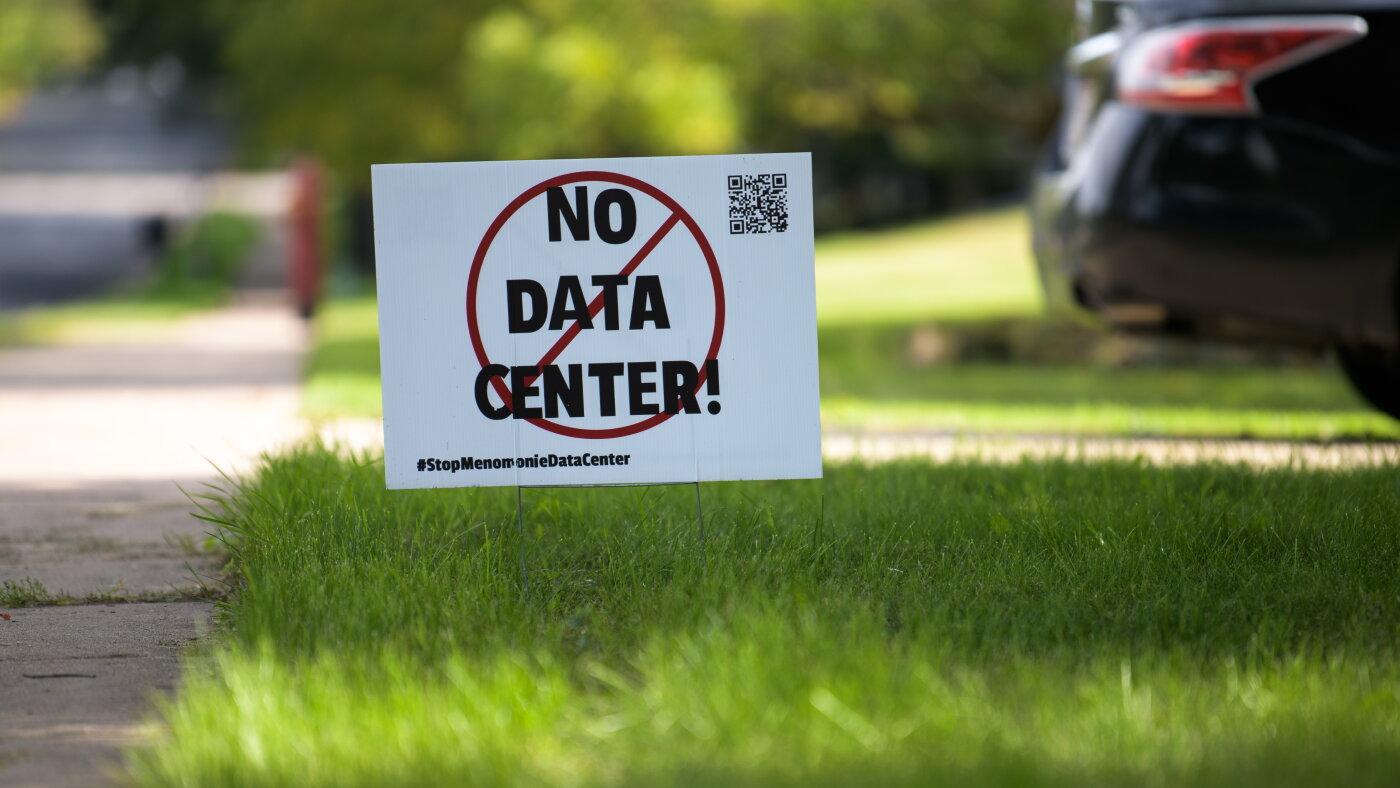
Lawmakers are advancing competing proposals on Capitol Hill to address concerns about how much residential utility customers will pay for infrastructure costs associated with artificial intelligence data center expansion. The Republican-backed Ratepayer Protection Act, sponsored by Ohio Senator Jon Husted, would require state utilities to consider making large-load customers responsible for increased costs. The measure passed the House in September with bipartisan support. Senate Democratic leadership has opposed the bill, with Senate Minority Leader Chuck Schumer instead supporting the GRID Savings Act, which he contends provides stronger ratepayer protections.
Experts indicate that determining the exact financial burden on residential customers is complex and varies significantly by utility and state. According to one analysis, Maryland customers pay approximately $168 to $216 more annually on electricity bills primarily due to data center development. The PJM regional transmission organization, which coordinates electricity markets across 13 states and Washington D.C., estimates that data centers have cost its 67 million ratepayers roughly $29 billion over approximately the past two years. Industry officials note that infrastructure costs are ultimately reflected in customer bills through regulatory processes.
Several factors complicate efforts to determine the precise impact on ratepayers. Non-disclosure agreements surrounding data center deals obscure pricing information, with a University of Mary Washington study finding that 80 percent of Virginia localities with existing, approved, or proposed data centers had signed such agreements. Additionally, utilities must account for which infrastructure investments exclusively benefit data centers versus those shared with other customers. The urgent timeline of data center development may also increase costs, as utilities potentially rely on less efficient power generation methods rather than waiting for newer technologies.
Big data center customers typically pay lower rates per kilowatt hour than residential customers, creating a volume-discount structure. Experts emphasize that while there is no single nationwide figure that applies universally, residential electricity customers will ultimately bear a share of AI infrastructure buildout costs through their utility bills.
Article Attribution | Read More at Article Source
Article summary produced by Claude AI