

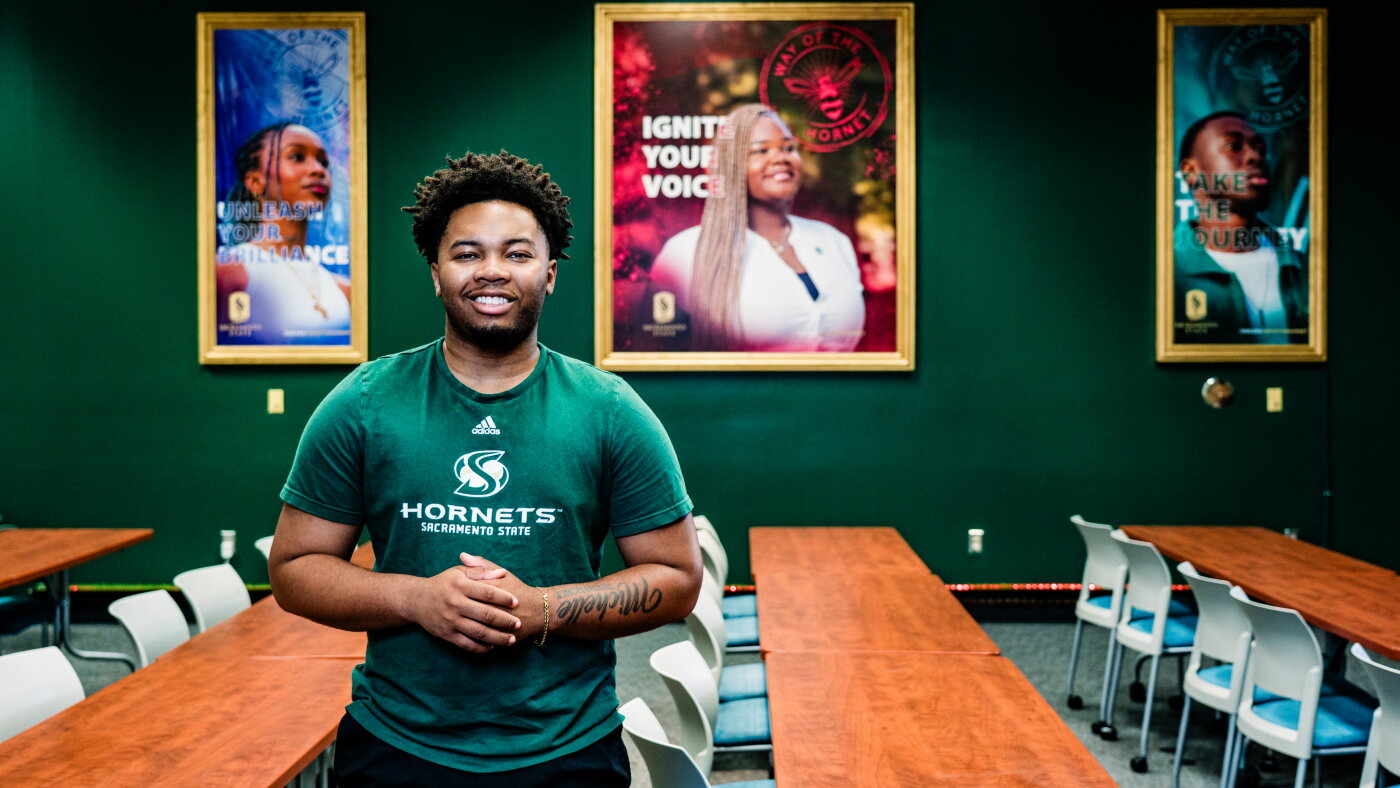
Sacramento State University has established a Black Honors College, a specialized academic program now in its third year with over 800 enrolled students. The initiative was created to address historical challenges the campus faced in supporting Black student success and to foster an environment where Black students could build community and develop their identities.
The program operates as a school within the larger university structure, with all courses taught from a Black studies perspective. Faculty members are selected based on their demonstrated effectiveness in educating Black students, with particular attention to retention and success metrics. While the program primarily serves Black, African, African-American, and mixed-race students, university leadership emphasizes that enrollment is not exclusive to any particular racial group.
The Black Honors College emerged just before the Trump administration began targeting diversity, equity, and inclusion programs on college campuses through civil rights investigations and policy changes. In February, President Trump declared that “We ended D-E-I in America.” The Treasury Department subsequently proposed rules that would strip tax-exempt status from schools providing race-based aid. Across the country, numerous universities have eliminated or significantly scaled back diversity initiatives to avoid federal scrutiny and potential loss of funding.
Former student Zyearre Amoah, who now works as a staff member for the Black Honors College helping with recruitment, described feeling isolated during his time as a student, noting that Black students had to actively search for one another on the sprawling campus. He credits the new initiative with making visible the Black student presence on campus. University President Luke Wood stated that creating the intervention was essential to the institution’s mission, suggesting other universities could implement similar approaches.
Students like Naomi Thrower report that participation has helped them develop a stronger connection to Black identity and culture. The program’s current enrollment is majority female, prompting leadership to prioritize recruiting and supporting male students through mentorship and role models. Meanwhile, students at other universities have expressed disappointment as diversity programs disappear, with some describing feelings of isolation and decreased belonging on their campuses.
Article Attribution | Read More at Article Source
Article summary produced by Claude AI