

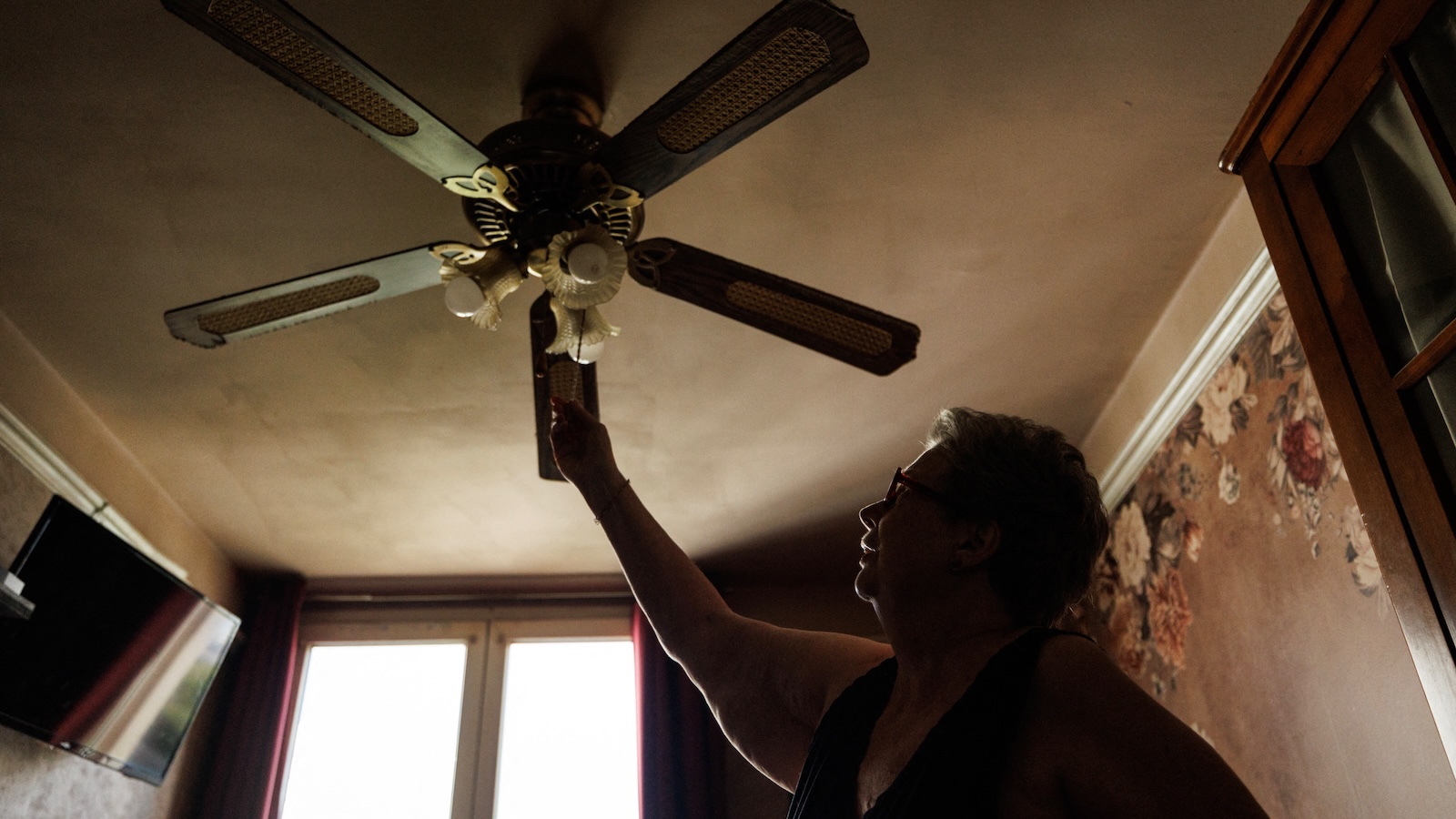
A recent judicial ruling in Texas requiring prison systems to install air-conditioning by 2029 has highlighted a broader shift in U.S. policy toward recognizing cooling as a necessity rather than a luxury. As dangerous heat events become more frequent, lawmakers and advocates across the country are implementing new protections for renters, who face particular vulnerability to heat exposure at home.
Research indicates renters are three times more likely than homeowners to require medical attention for heat-related illness. In response, jurisdictions nationwide have adopted varying approaches to ensure access to cooling. Maryland now requires air-conditioning installation in apartment complexes with 10 or more units undergoing renovation. Spokane, Washington, where a heat wave resulted in 14 deaths in July, mandated that landlords provide adequate cooling in at least one room per unit. Houston, New Orleans, New York City, and Austin have passed similar cooling requirements, while Washington and Oregon have prohibited landlords from banning tenant-installed air-conditioning systems.
Legal advocates argue that protection from excessive indoor temperatures should be considered part of the “implied warranty of habitability,” a principle that already requires landlords to provide basic necessities like running water. However, jurisdictions are debating the most effective regulatory approach. Some require air-conditioning specifically, while others establish maximum allowable indoor temperatures—ranging from 82 to 79 degrees Fahrenheit—that landlords can meet through various methods including passive cooling measures.
Experts remain divided on the best strategy. Some argue that performance standards based on temperature thresholds encourage energy-efficient solutions like shade trees and window treatments. Others contend that during major heat events, only air-conditioning provides adequate protection. Los Angeles County has adopted the temperature-based approach for unincorporated communities starting January 1, while Houston’s ordinance requires AC as a health and safety standard for all rental housing.
Article Attribution | Read More at Article Source
Article summary produced by Claude AI