

Asia’s energy sector is undergoing significant transformation, with the region poised to play a decisive role in shaping the global energy transition. According to McKinsey analysis, the continent will demand approximately $1 trillion in annual energy investments over the coming 15 years to enhance energy security, accelerate the shift toward sustainable power sources, and accommodate rapidly expanding regional demand. The region is expected to generate roughly 70% of worldwide net energy demand growth through 2040, with total energy demand projected to reach 370 million terajoules—a 15% increase from forecasts made a year prior, driven by data center proliferation, industrial growth, and rising cooling requirements.
Coal is anticipated to maintain its position as Asia’s dominant energy source for an extended period, contrary to earlier projections. While China’s coal consumption is expected to gradually decline due to renewable energy expansion, growing electricity and industrial demands across India and Southeast Asia are likely to sustain overall regional coal usage. Coal currently comprises approximately 47% of Asia’s primary energy mix, with oil representing 25% and natural gas about 12%. In the power generation sector specifically, coal supplies over 50% of Asia’s electricity, reaching 67% in South Asia led by India. Current thermal coal prices remain elevated following reduced Chinese production and supply constraints in Indonesia, alongside fuel-switching trends in Japan and South Korea.
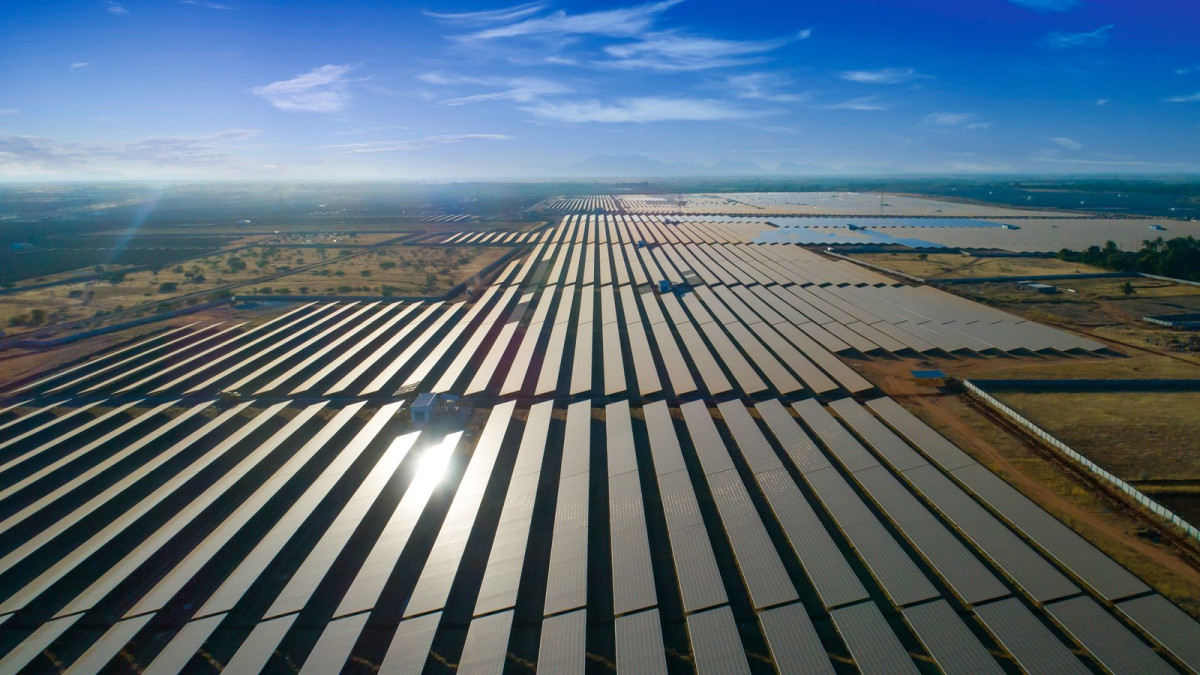
Renewable energy infrastructure development is accelerating across Asia, with approximately $300 billion in annual investments projected for wind and solar deployment, particularly concentrated in India and Southeast Asia. Utility-scale solar photovoltaic systems have become the lowest-cost power generation option across most Asian markets, reflecting substantial reductions in capital and equipment expenses. Renewable energy costs across the Asia-Pacific region have fallen roughly 13% below conventional coal costs, with projections indicating they will be approximately one-third cheaper by 2030. Solar surpassed gas as Asia’s third-largest power source in the 12 months preceding April 2026, while China generated less than 50% of its electricity from coal for the first time during the first half of 2026.
Battery energy storage systems have experienced a 93% price decline over the past 15 years, making solar-plus-storage and wind-plus-storage configurations increasingly competitive with conventional peaking gas plants. Natural gas demand growth is projected to decelerate over the next 5 to 10 years as nations prioritize lower-cost domestic coal and rapid renewable deployment, though long-term gas consumption is expected to rebound driven by industrial sector transition away from more carbon-intensive fuels. Meanwhile, biofuels present substantial opportunities for reducing Asia’s energy import dependence, with projections indicating biofuels could replace $90 billion to $100 billion in annual fuel imports by 2040. India accelerated technical specifications in May 2026 toward higher ethanol blending standards following previous E20 adoption, while Indonesia has implemented B50 biodiesel blends as part of its strategy to eliminate diesel imports, with government estimates suggesting potential annual savings of approximately $9.4 billion in fuel import costs.
Article Attribution | Read More at Article Source
Article summary produced by Claude AI