

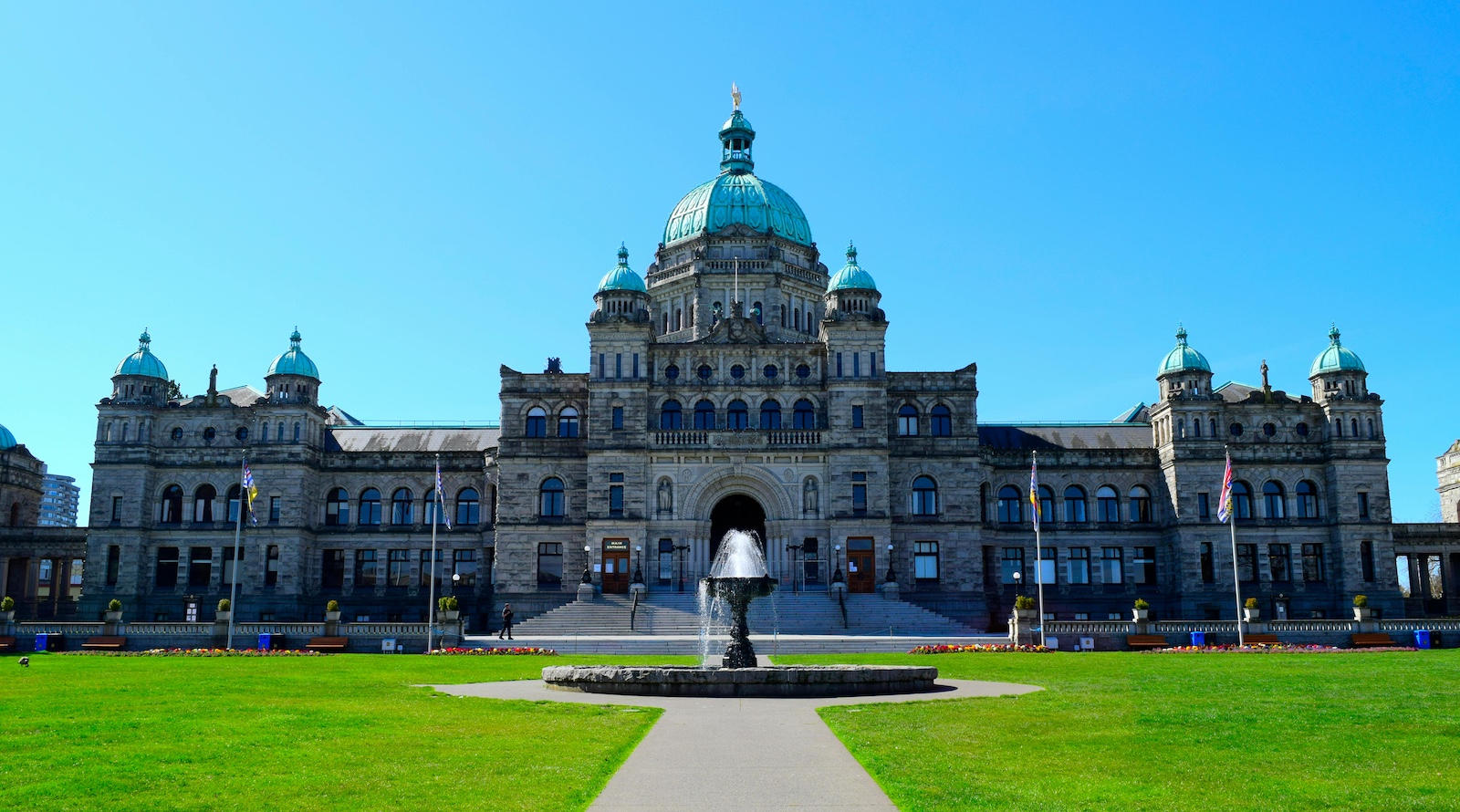
The Conservative Party secured a decisive victory in British Columbia’s election this month, ending nine years of governance by the New Democrats, who had opposed new oil pipelines and supported restricting tanker traffic along the northern coast. Party leader Lorne Doerkson outlined an ambitious agenda focused on energy expansion, committing to double methane production by 2032 and triple it by 2035. The Conservatives promised to streamline regulatory processes, eliminate emissions restrictions, and revise the province’s carbon tax framework while attempting to attract major energy firms such as ExxonMobil, Chevron, and Woodside back to British Columbia’s liquefied natural gas sector.
Despite the electoral victory, voter participation fell below 50 percent, marking a historic low. Pre-election polling indicated that voters ranked cost of living, healthcare, and ongoing trade tensions with the United States as their primary concerns, suggesting the energy platform may not have been the driving factor in the outcome. Political observers noted that the shift toward fossil fuel development may reflect broader federal policy direction, with Prime Minister Mark Carney pursuing a strategy to position Canada as an “energy superpower” independent of American energy infrastructure.
The Conservative platform addresses climate considerations through three stated principles: protecting residents from extreme weather, reducing provincial and national emissions, and delivering measurable results. However, critics have raised questions about the practical implications of the plan, particularly regarding infrastructure resilience. With climate patterns shifting and severe weather becoming more frequent, concerns have emerged about whether new port facilities designed to export LNG would be adequately protected against disruption from future storms and environmental events.
The production process itself presents environmental considerations. Methane extraction typically involves hydraulic fracturing, which uses pressurized water mixed with chemicals to release gas from underground rock formations. While compressed liquefied natural gas produces lower emissions than coal when burned, the extraction and transportation phases generate substantial emissions of their own, according to environmental analysts.
Article Attribution | Read More at Article Source
Article summary produced by Claude AI