

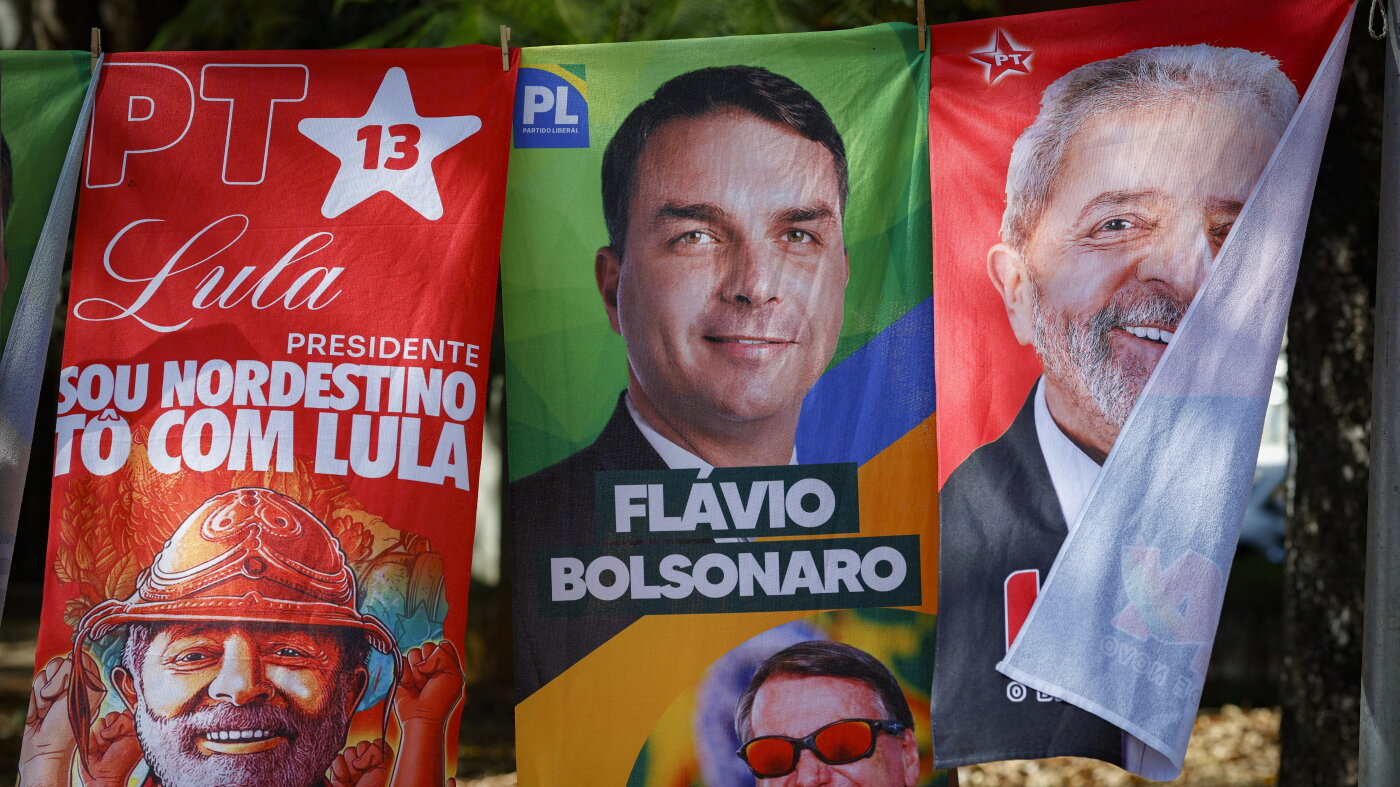
Brazil is preparing for a presidential election on October 4, 2026, in what amounts to a political rematch between incumbent President Luiz Inácio Lula da Silva and Flávio Bolsonaro, a 45-year-old senator and son of former president Jair Bolsonaro. The contest represents a continuation of the country’s highly polarized political climate following the 2022 election, which Lula won by a narrow margin. Jair Bolsonaro is currently serving a 27-year sentence for plotting a coup to overturn his 2022 loss, and his son has pledged to pardon him if elected. The younger Bolsonaro characterizes himself as a more moderate version of his father but has articulated few policy departures from the former president’s positions.
The election carries significant implications for Brazil’s future institutional direction and policy landscape. The winning candidate will nominate four of the Supreme Court’s 11 justices, substantially shaping the judiciary for years ahead. The election will also influence Brazil’s economic trajectory, environmental policies, international relationships, and democratic development. If no candidate secures more than 50 percent of valid votes in the initial round, a runoff is scheduled for October 25. The country utilizes electronic voting systems and typically announces results within hours of voting closing.
Voters are prioritizing several immediate concerns beyond the family-centered political narrative. Crime and insecurity rank as top voter priorities, with Bolsonaro advocating a hardline enforcement approach potentially involving U.S. military cooperation, while Lula favors operations against gang financing and opposes external interference in Brazilian security matters. Corruption has emerged as another central issue following recent investigations revealing allegedly improper relationships between a jailed ex-banker and high-ranking officials. Economic conditions also weigh heavily on voters, with Bolsonaro’s advisers proposing substantial spending cuts similar to policies implemented in Argentina, while Lula’s administration credits public spending with earlier growth despite recent economic slowdown.
The United States has become an unusually prominent element in the campaign. Flávio Bolsonaro has signaled intentions to strengthen alignment with the incoming Trump administration, while Lula has resisted U.S. pressure on various matters including tariffs and Venezuela policy. The two camps represent starkly different visions for Brazil’s governance, each inspiring intensely devoted supporters and fierce opposition among voters.
Article Attribution | Read More at Article Source
Article summary produced by Claude AI