

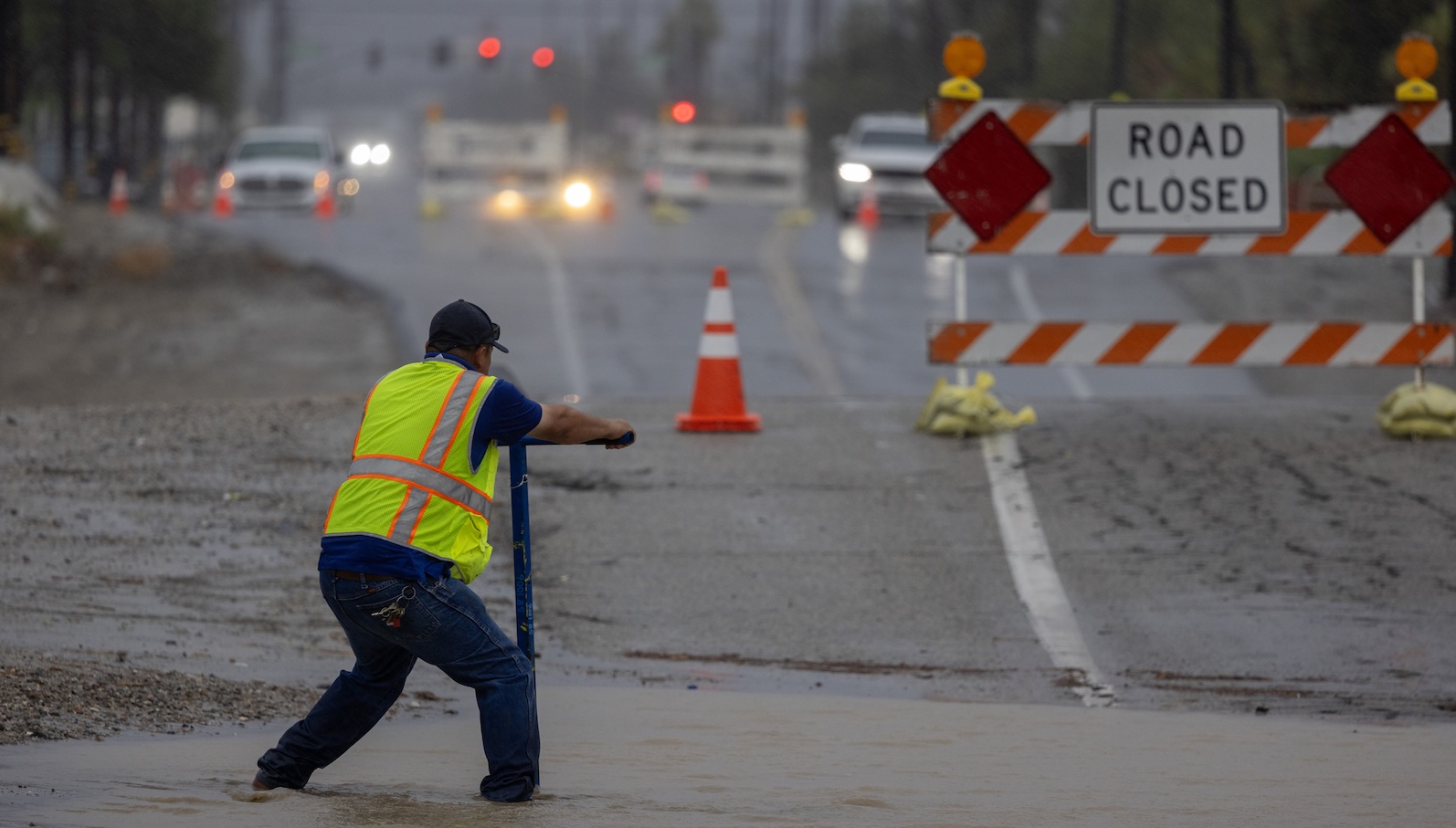
California is bracing for unusually heavy rainfall associated with the strongest El Niño on record, a weather phenomenon historically linked to severe flooding in the state. Similar conditions in 1997 and 1998 caused widespread property damage and loss of life through flooding and debris flows. Rather than merely enduring the deluge, state water agencies have been implementing strategies to capture and store excess precipitation for use during drought periods.
The challenge lies not just in rainfall volume but in its unpredictable arrival patterns. Successive storms can saturate soil and overwhelm drainage systems, while long dry periods strain available water supplies. California’s network of nearly 1,500 reservoirs provides some storage capacity, holding approximately 21 million acre-feet of water. However, these reservoirs have limited capacity and can create environmental problems, including disruption of fish migration routes.
To address these limitations, California has increasingly turned to managed aquifer recharge, an approach that diverts excess rainwater underground rather than relying solely on surface reservoirs. The state’s aquifers can theoretically hold around a billion acre-feet of water, vastly exceeding current reservoir capacity. Water agencies direct rainfall into percolation basins where it slowly seeps into underground aquifers, or onto agricultural land where farmers benefit from the moisture while groundwater is replenished. This underground storage avoids water loss to evaporation that occurs in open reservoirs.
Groundwater typically supplies about 40 percent of California’s annual water needs and becomes even more critical during drought years. By banking excess water from wet periods, agencies aim to ensure greater year-round availability. As a secondary benefit, some managed aquifer recharge projects support ecosystem restoration, including efforts to revive California’s wetlands through controlled flooding on agricultural land, which both recharges aquifers and provides habitat for migratory birds.
Article Attribution | Read More at Article Source
Article summary produced by Claude AI