

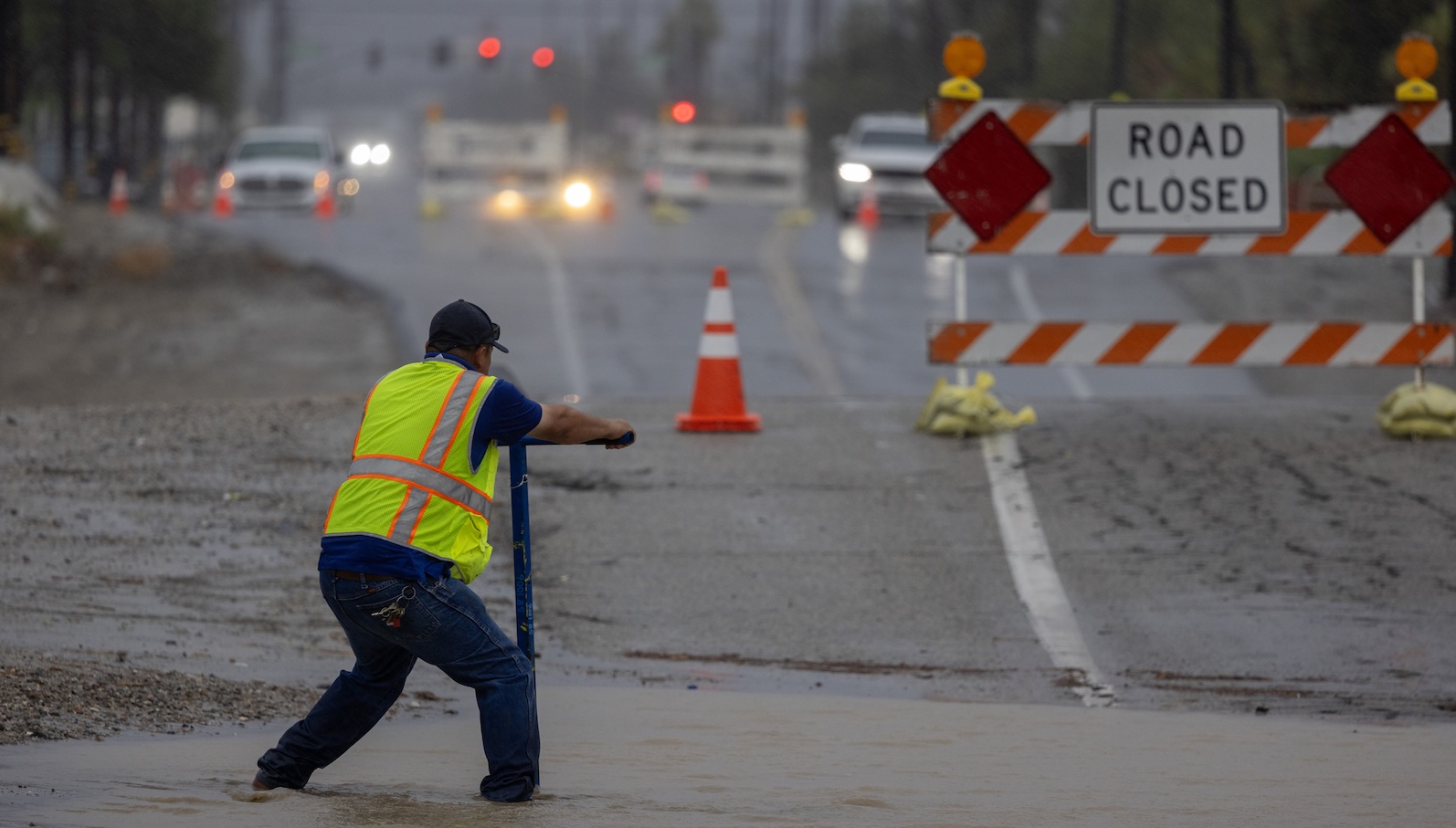
California faces an unusual challenge as the strongest El Niño on record threatens to bring extraordinary rainfall to the state this autumn. Historically, El Niño events have caused severe flooding and debris flows in California, most notably during the 1997-1998 event. Rather than attempting to prevent the rain, state water agencies are implementing strategies to capture and store excess precipitation for use during dry periods.
The state’s approach centers on managed aquifer recharge, a method that diverts stormwater into basins and agricultural lands, allowing it to seep underground rather than flowing to the ocean or overwhelming surface infrastructure. California’s major reservoirs currently hold approximately 21 million acre feet of water, but underground aquifers have the potential to store roughly a billion acre feet, offering vastly greater storage capacity. This underground storage prevents water loss through evaporation and provides flexibility in water distribution throughout the year.
The strategy addresses a long-standing challenge in California’s water management. The state has historically extracted groundwater at unsustainable rates, particularly in the Central Valley’s agricultural region, where aquifer depletion has caused land subsidence of nearly 30 feet. The Sustainable Groundwater Management Act, passed in 2014, requires local water agencies to address this crisis. During average years, groundwater provides about 40 percent of California’s water supply, a percentage that increases substantially during droughts.
Beyond flood management and drought preparation, managed aquifer recharge offers environmental benefits. Projects like BirdReturns incentivize Central Valley farmers to temporarily flood their fields, mimicking historical wetland ecosystems that have declined by 95 percent. This approach simultaneously recharges aquifers and restores critical habitat for migratory birds while providing farmers with additional income. Water officials acknowledge that urban infrastructure designed to rapidly drain stormwater presents ongoing challenges requiring additional solutions.
Article Attribution | Read More at Article Source
Article summary produced by Claude AI