

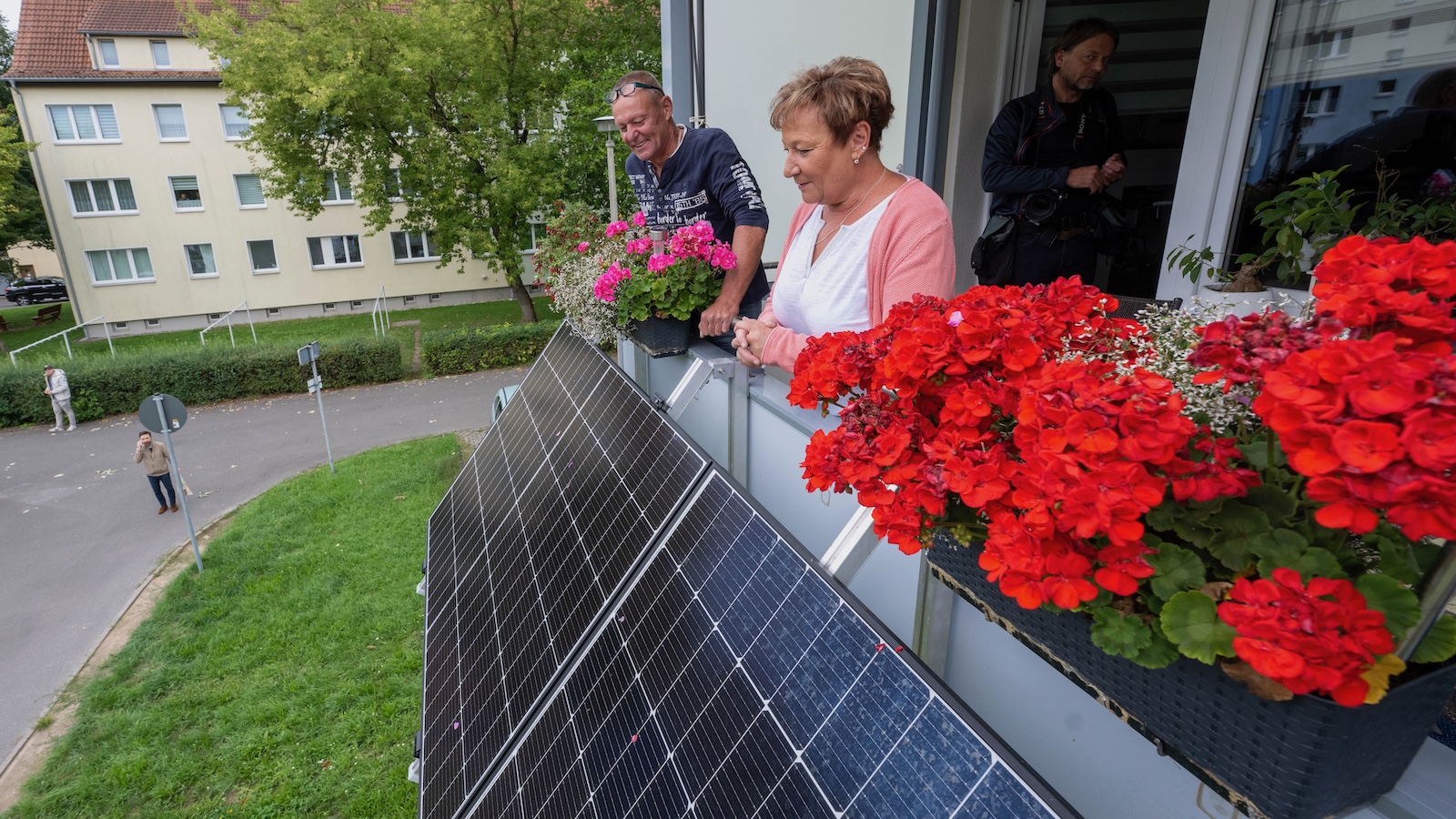
California Governor Gavin Newsom signed legislation earlier this week authorizing residents to install balcony solar systems, also known as plug-in solar. These smaller, less expensive solar arrays differ from traditional rooftop installations by connecting directly to a home’s electrical outlets rather than requiring extensive electrical infrastructure upgrades. The technology has gained traction in countries like Germany and is now permitted in a growing number of U.S. states including Utah and Maine.
Plug-in solar systems offer several advantages for homeowners and renters alike. The technology costs significantly less than traditional solar panels, with basic systems priced at several hundred dollars and potential energy savings recouping the investment within approximately four years, depending on local electricity rates. Because renters can install panels on balconies or in backyards without property modifications, the technology expands solar access beyond homeowners. State Senator Scott Wiener, who authored the California legislation, emphasized that the law removes barriers by eliminating the need for residents to negotiate interconnection agreements with utility companies.
The shift toward plug-in solar reflects broader changes in how electrical grids operate. Traditional utility systems maintained equilibrium by increasing fossil fuel production when demand rose. Renewable energy sources like wind and solar require different approaches, as generation fluctuates with weather conditions. Utilities increasingly deploy battery storage and seek flexible demand-side solutions to maintain grid stability. Plug-in solar contributes by reducing the amount of electricity drawn from the grid at individual residences.
When scaled across urban areas, these distributed reductions can address grid congestion during peak demand periods, particularly during heat waves when air conditioning use peaks and solar generation is highest. This transformation converts households into participants in a distributed power network. Environmental advocates view the legislation as addressing both affordability and climate concerns. However, financial barriers remain for many households, suggesting that state rebate programs could further accelerate adoption of the technology.
Experts anticipate California’s adoption will influence energy policy in other states. The legislation represents an accessible entry point for residential solar participation, potentially reshaping how distributed renewable energy contributes to grid stability and household energy independence.
Article Attribution | Read More at Article Source
Article summary produced by Claude AI