

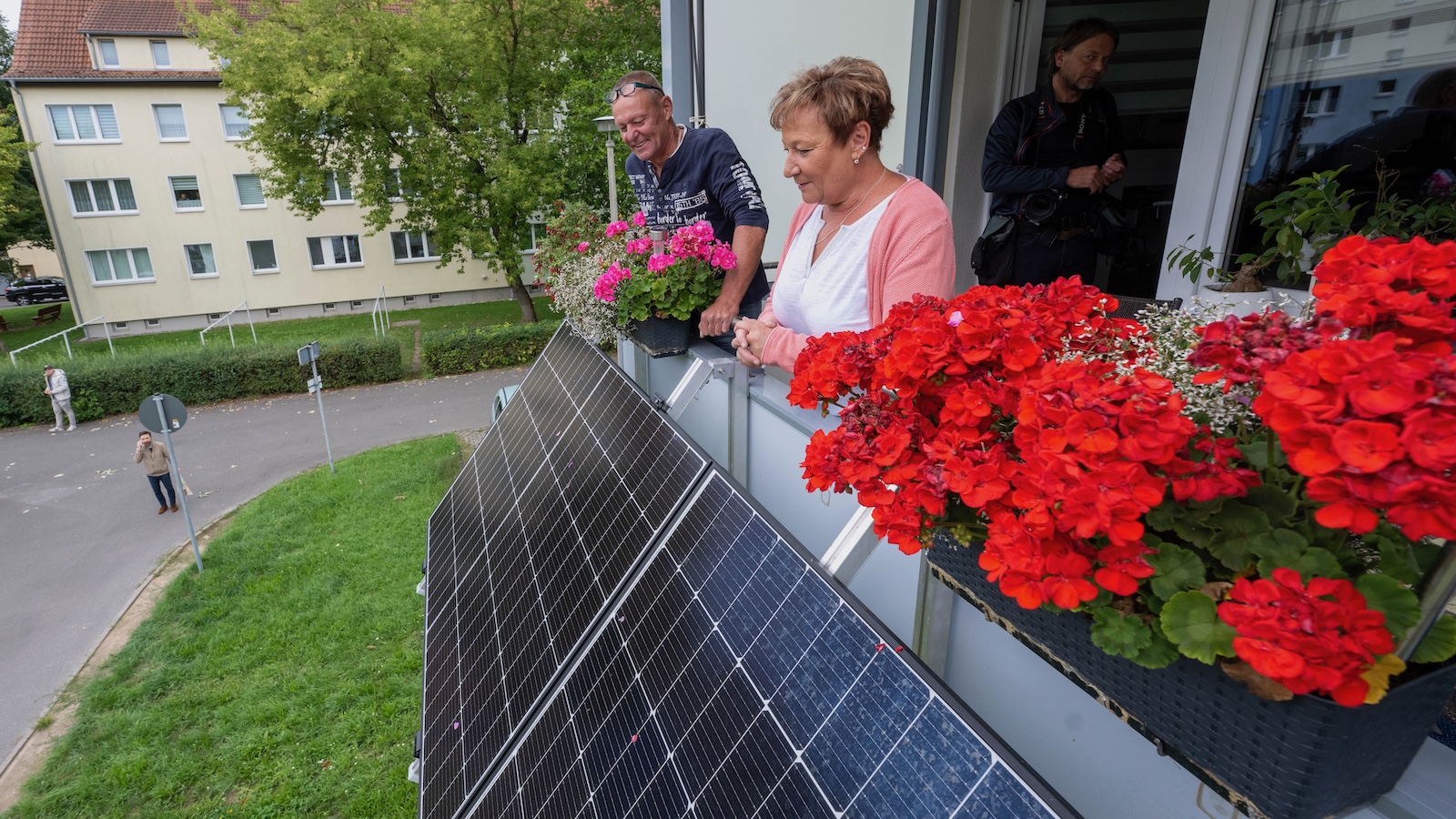
California has authorized the adoption of balcony solar technology, also known as plug-in solar, through legislation signed by Governor Gavin Newsom earlier this week. The move makes California the latest state to embrace this distributed energy approach, joining states such as Utah and Maine in recognizing the potential benefits of smaller solar arrays that can be installed on balconies, patios, or other residential spaces.
Plug-in solar systems represent a more accessible entry point to solar energy compared to traditional rooftop installations. These smaller arrays hook directly into a home’s electrical outlets, eliminating the need for costly electrical upgrades that typically accompany conventional solar deployment. The technology costs several hundred dollars to install and can generate energy savings within approximately four years, depending on local electricity rates. The approach is particularly valuable for renters and apartment dwellers who lack the ability to install permanent rooftop systems.
State Senator Scott Wiener, who authored the California legislation, emphasized that the bill removes significant regulatory barriers, particularly the requirement for homeowners to negotiate interconnection agreements with utility companies such as Pacific Gas and Electric Company. This streamlined approach aims to accelerate adoption of the technology.
The proliferation of plug-in solar reflects a broader transformation in how electrical grids operate. Traditionally, utilities maintained supply-demand equilibrium by adjusting fossil fuel generation in response to consumption patterns. Renewable energy sources require a more flexible grid infrastructure, supported by battery storage systems. When distributed across many homes, plug-in solar installations reduce overall grid demand and create a network of small-scale power generation points that can help manage peak demand periods, particularly during heat waves when air conditioning usage peaks.
Experts view the technology as an affordable mechanism for consumer participation in renewable energy transition. Environmental advocates note that widespread adoption could help offset rising energy costs while supporting climate goals related to emissions reduction and grid modernization. California’s adoption is expected to influence similar policies in other states.
Article Attribution | Read More at Article Source
Article summary produced by Claude AI