

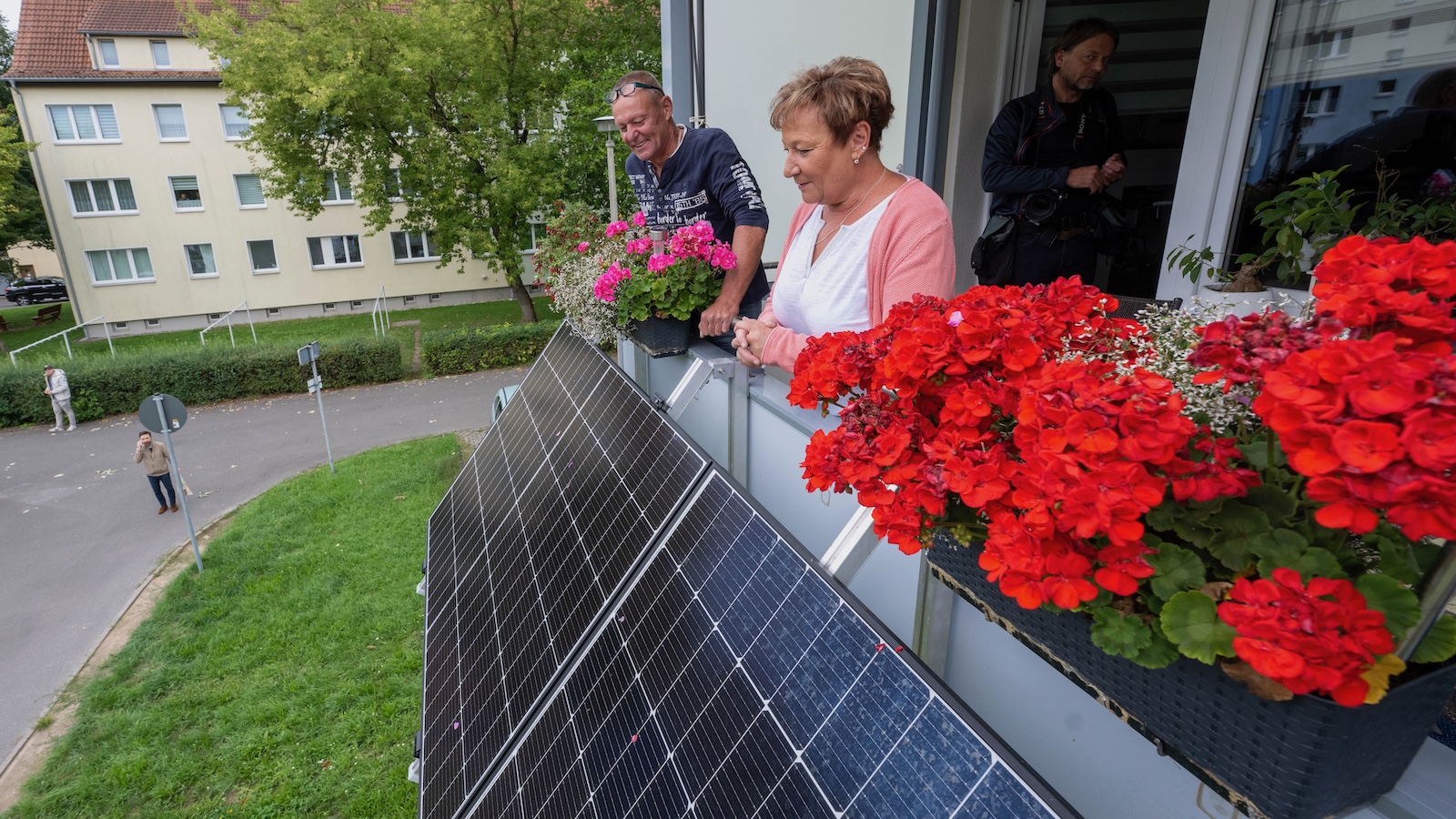
California has officially authorized the use of balcony solar systems, also known as plug-in solar, following Governor Gavin Newsom’s signing of legislation earlier this week. The technology consists of smaller solar arrays that connect directly to home electrical outlets, enabling homeowners and renters with balconies or yards to harness solar energy without the significant expense and infrastructure upgrades required for traditional rooftop installations.
Plug-in solar systems represent a departure from conventional energy generation models. Rather than feeding excess electricity back to the grid like full rooftop systems, these compact arrays primarily reduce the amount of power drawn from the utility network. While individual units generate modest amounts of energy, widespread adoption across neighborhoods creates a distributed network that can meaningfully decrease demand during peak periods, particularly when air conditioning usage surges on hot days that also provide optimal sunlight for solar generation.
The technology addresses multiple challenges facing modern electrical grids. Renewable energy sources like wind and solar are inherently variable, requiring utilities to deploy extensive battery storage systems and manage supply-demand fluctuations differently than traditional fossil fuel plants. By converting consumers into active participants in energy management, plug-in solar helps stabilize the grid while offsetting growing demand from electrification initiatives and data center expansion. Basic systems typically cost a few hundred dollars, with owners potentially recovering their investment through energy savings within approximately four years, depending on local electricity rates.
California joins a small group of states including Utah and Maine in adopting this technology. State Senator Scott Wiener, who authored the bill, emphasized that the legislation eliminates barriers requiring residents to negotiate interconnection agreements with utility companies. Advocates argue plug-in solar represents one of the most accessible and affordable ways for average households to participate in renewable energy adoption while reducing energy costs and environmental impact.
Article Attribution | Read More at Article Source
Article summary produced by Claude AI