

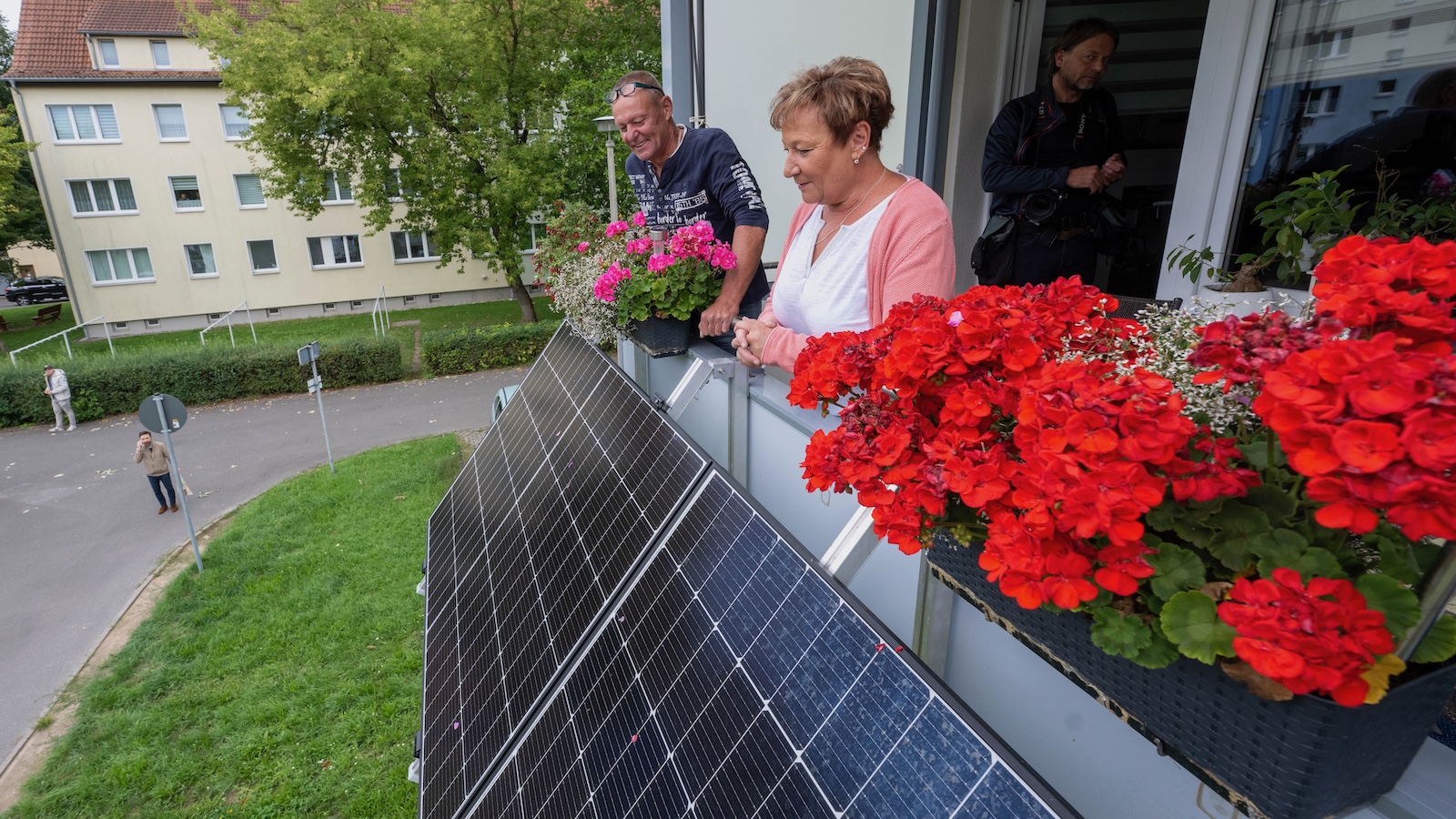
California has enacted legislation permitting residents to install balcony solar systems, also termed plug-in solar. Governor Gavin Newsom signed the bill on Wednesday, making California one of a limited number of states to authorize this technology alongside Utah and Maine. The legislation, authored by State Senator Scott Wiener, eliminates requirements for residents to negotiate interconnection agreements with utility companies like Pacific Gas and Electric Company.
Balcony solar systems consist of smaller and more affordable solar arrays compared to traditional rooftop installations. These devices connect directly to household electrical outlets and can offset a portion of residential energy consumption, potentially saving users hundreds of dollars annually. The technology is particularly accessible to renters who may have balconies or backyards but cannot install permanent roofing systems. Basic plug-in solar setups cost several hundred dollars, with potential payback periods around four years depending on local energy rates.
The shift toward plug-in solar reflects broader changes in how electrical grids operate. Traditional utility systems relied on fossil fuel generation that could be ramped up during periods of peak demand. Renewable energy sources like wind and solar require different approaches, including battery storage systems to maintain grid stability when generation fluctuates. Distributed residential solar systems reduce the amount of electricity drawn from the grid during peak times, creating a more flexible network.
Scaling plug-in solar adoption across cities could meaningfully address growing electricity demand from sources including artificial intelligence data centers and vehicle electrification. The technology functions optimally during daylight hours when temperatures are highest and air conditioning usage peaks, aligning generation with demand. Energy advocates emphasized that the measure provides an affordable mechanism for widespread consumer participation in renewable energy generation while addressing rising utility costs and climate objectives.
Article Attribution | Read More at Article Source
Article summary produced by Claude AI