

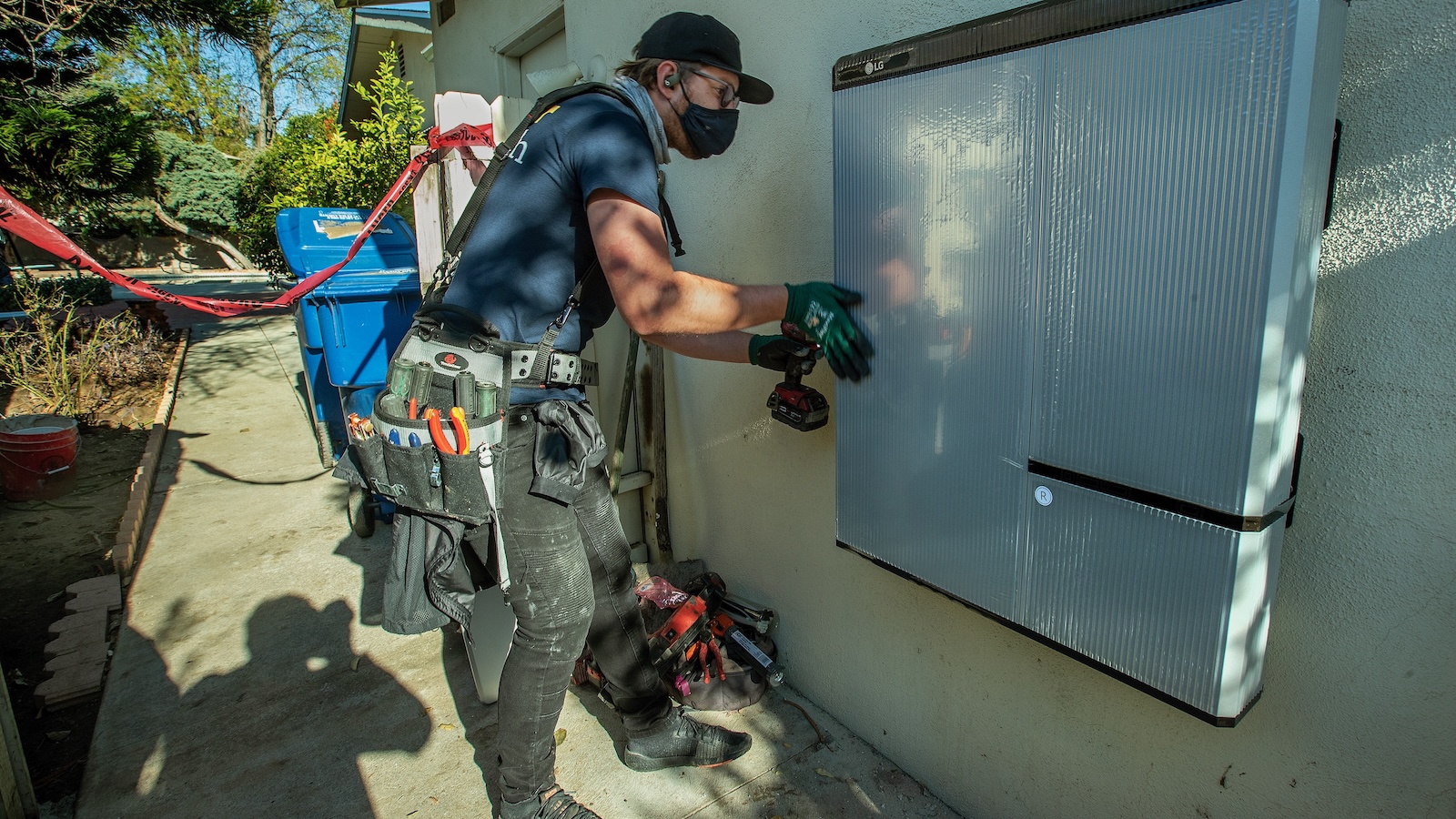
Home battery systems and electric vehicles are transforming the traditional power grid from a one-way distribution model to a more flexible, two-way energy exchange system. Consumers with batteries or solar panels can now sell stored energy back to utilities during periods of high demand, generating income while helping stabilize the overall system.
During a heat wave earlier this month, residential batteries from major providers delivered enough power to supply peak electricity needs across two major California metropolitan areas with a combined population of approximately 1.8 million residents. This demonstration illustrated how distributed energy resources can address sudden demand spikes without requiring utilities to construct additional fossil fuel plants or import power from other states.
The shift represents a fundamental change in grid operations. Historically, utilities managed demand by forecasting usage patterns and generating excess electricity during predictable peak periods, typically through natural gas combustion. The introduction of rooftop solar initially allowed daytime power generation, but energy availability remained limited to daylight hours. Home battery technology extended this capability by enabling households to store solar-generated electricity and discharge it to the grid during evening and nighttime hours when demand peaks.
Utilities are also exploring vehicle-to-grid technology, which uses electric vehicle batteries as mobile power sources. Under this system, EV owners can permit utilities to draw stored energy during high-demand periods, with batteries recharging during off-peak hours. This approach is particularly valuable for fleet vehicles like school buses, which operate on predictable schedules and feature large battery capacities.
Currently, approximately 1.2 million batteries installed across the United States have the capacity to deliver roughly 8 gigawatts to the grid. With 86 million single-family homes in the country, industry representatives suggest significant potential for expansion. Energy experts contend that widespread adoption of distributed battery resources can reduce overall costs for all ratepayers while enhancing grid reliability and supporting the transition toward renewable energy infrastructure.
Article Attribution | Read More at Article Source
Article summary produced by Claude AI