

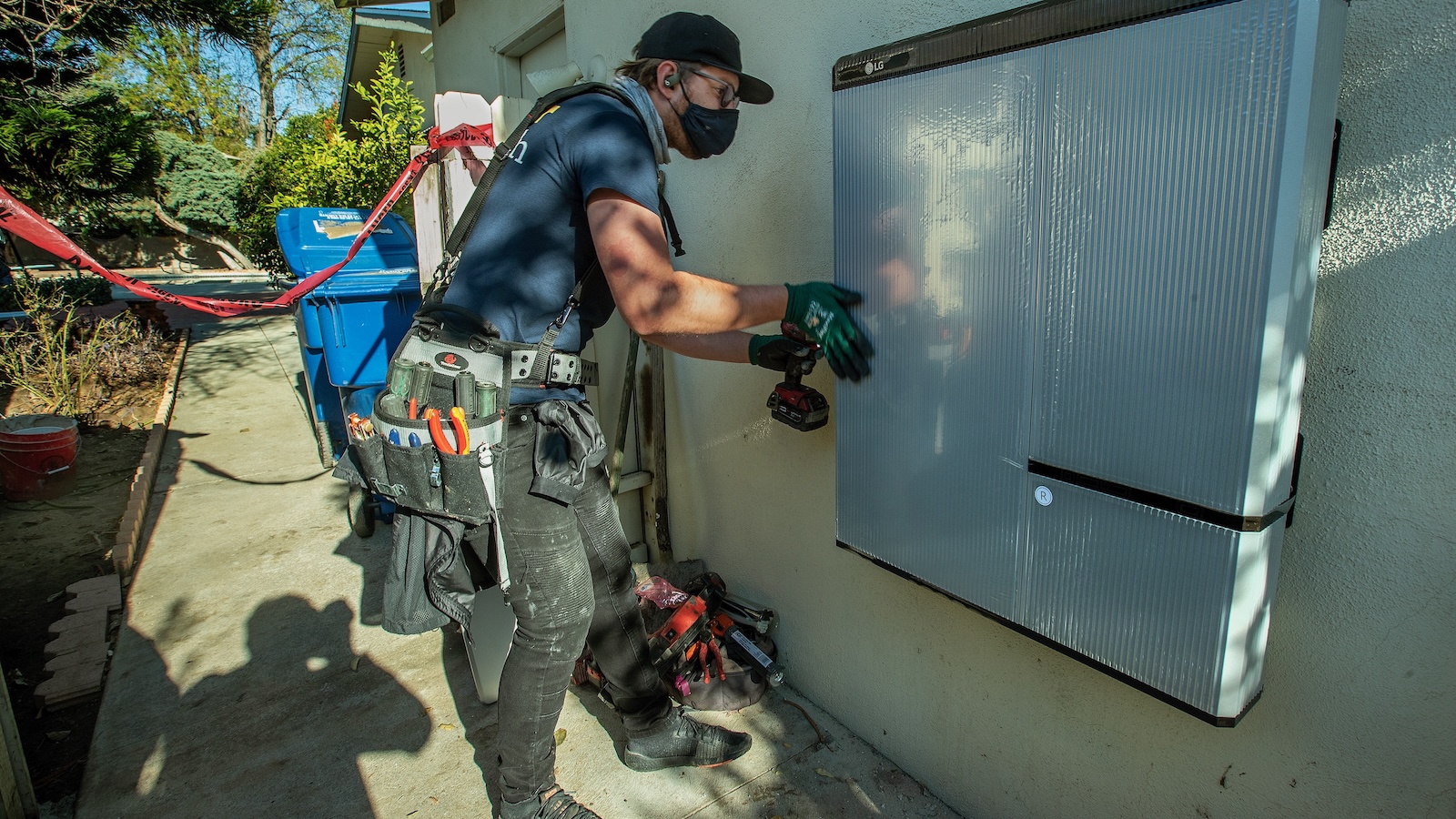
Home battery systems and electric vehicles are poised to transform how electricity is distributed and consumed across the United States, enabling consumers to transition from passive grid participants to active energy suppliers. Earlier this month, home batteries from major providers demonstrated their capacity during peak demand periods, storing and distributing power efficiently to support grid stability.
Traditional electrical systems have long operated on a predictive model, with utilities forecasting demand spikes and generating additional power through fossil fuel combustion to prevent grid failures. The introduction of residential solar installations created the first shift in this dynamic, allowing homeowners to generate daytime power and send excess energy back to the grid. Battery storage technology has extended this capability by enabling the retention of solar energy throughout the day for distribution during high-demand periods, particularly in evenings when consumption peaks.
Utilities are now expanding these programs through vehicle-to-grid technology, which treats electric vehicles as mobile power storage units. Owners can allow utilities to draw from their vehicle batteries during demand surges, with recharging occurring during off-peak hours. Fleet vehicles such as school buses, which operate on predictable schedules and contain substantial battery capacity, present particularly promising opportunities for grid support.
The distributed energy approach offers multiple benefits to the broader electrical system. Utilizing locally stored power eliminates the need for expensive infrastructure expansion or power imports from distant sources, reducing costs for all ratepayers regardless of whether they have personal battery systems. As battery installations continue expanding across the residential sector, the potential capacity for grid support multiplies substantially, with current deployed systems already capable of providing significant power during peak periods.
Energy experts project that maximizing adoption of distributed battery technology across the nation’s residential properties could enable communities to rely primarily on local power generation, improving reliability and cost containment for consumers while supporting clean energy integration.
Article Attribution | Read More at Article Source
Article summary produced by Claude AI