

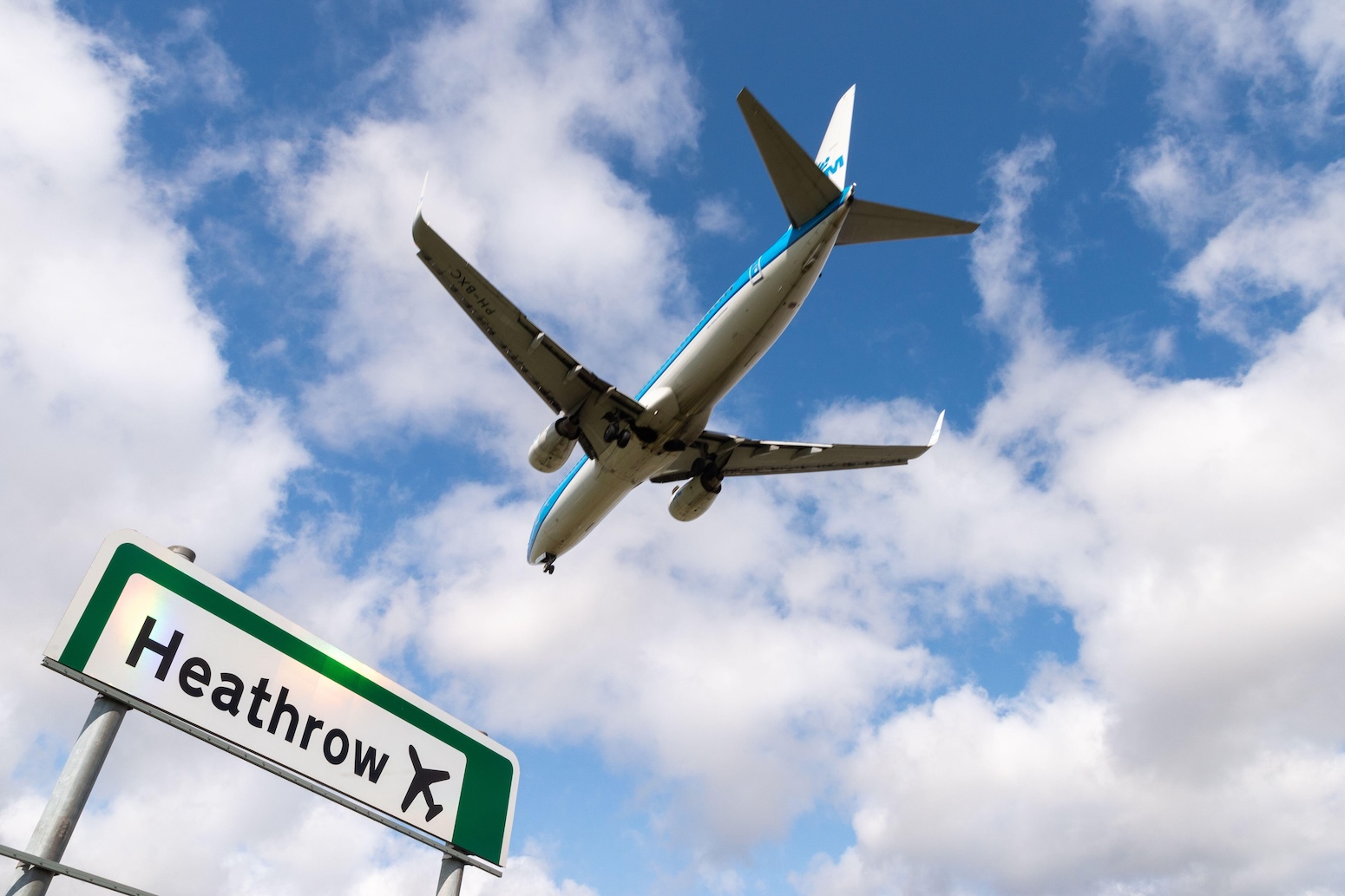
The Climate Change Committee has released new guidance on aviation policy, projecting that the sector could be responsible for approximately 80% of the United Kingdom’s carbon dioxide emissions by 2050. This projection reflects a dramatic shift in the UK’s emissions profile, as aviation is the only major economic sector in which emissions have increased since 1990, with flying-related CO2 output more than doubling during that period due to growing passenger numbers.
Even without expansion of Heathrow Airport, the nation’s largest aviation hub, aviation emissions are forecast to reach 38 million tonnes of CO2 in 2050—higher than current levels. The Climate Change Committee concluded that UK policymakers currently lack adequate measures to address this trend and that existing approaches are insufficient to meet the country’s net-zero emissions target. The committee’s assessment found that the government’s reliance on technological solutions such as sustainable aviation fuels, electric aircraft, and fuel efficiency improvements are unrealistic based on current trajectories.
Proposed Heathrow expansion would introduce an additional 2.4 million tonnes of CO2 in 2050, representing approximately 5% of total UK emissions. With a final decision on the expansion anticipated by 2029, the Climate Change Committee advised that any approval would worsen an already challenging situation without substantial policy changes. The committee recommended that a revised aviation strategy, scheduled for development in 2027, establish a comprehensive net-zero policy framework before expansion could be considered compatible with climate commitments.
The committee emphasized that the aviation industry should bear responsibility for its emissions through mechanisms based on the polluter-pays principle, including funding for sustainable fuels and carbon removal technologies. It noted that permanent CO2 removal technologies, such as direct air carbon capture and storage, remain unavailable at the required scale but are essential for offsetting flight emissions. The committee estimated that assigning decarbonisation costs to airlines could increase ticket prices substantially—approximately £150 for European flights and £400 for transatlantic flights in 2050 currency values—though this approach would avoid requiring non-flying taxpayers to fund aviation-related removals.
Article Attribution | Read More at Article Source
Article summary produced by Claude AI